

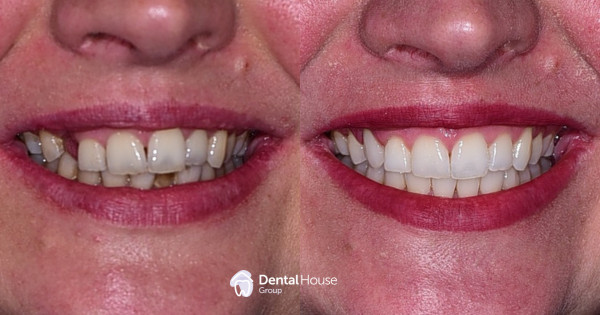
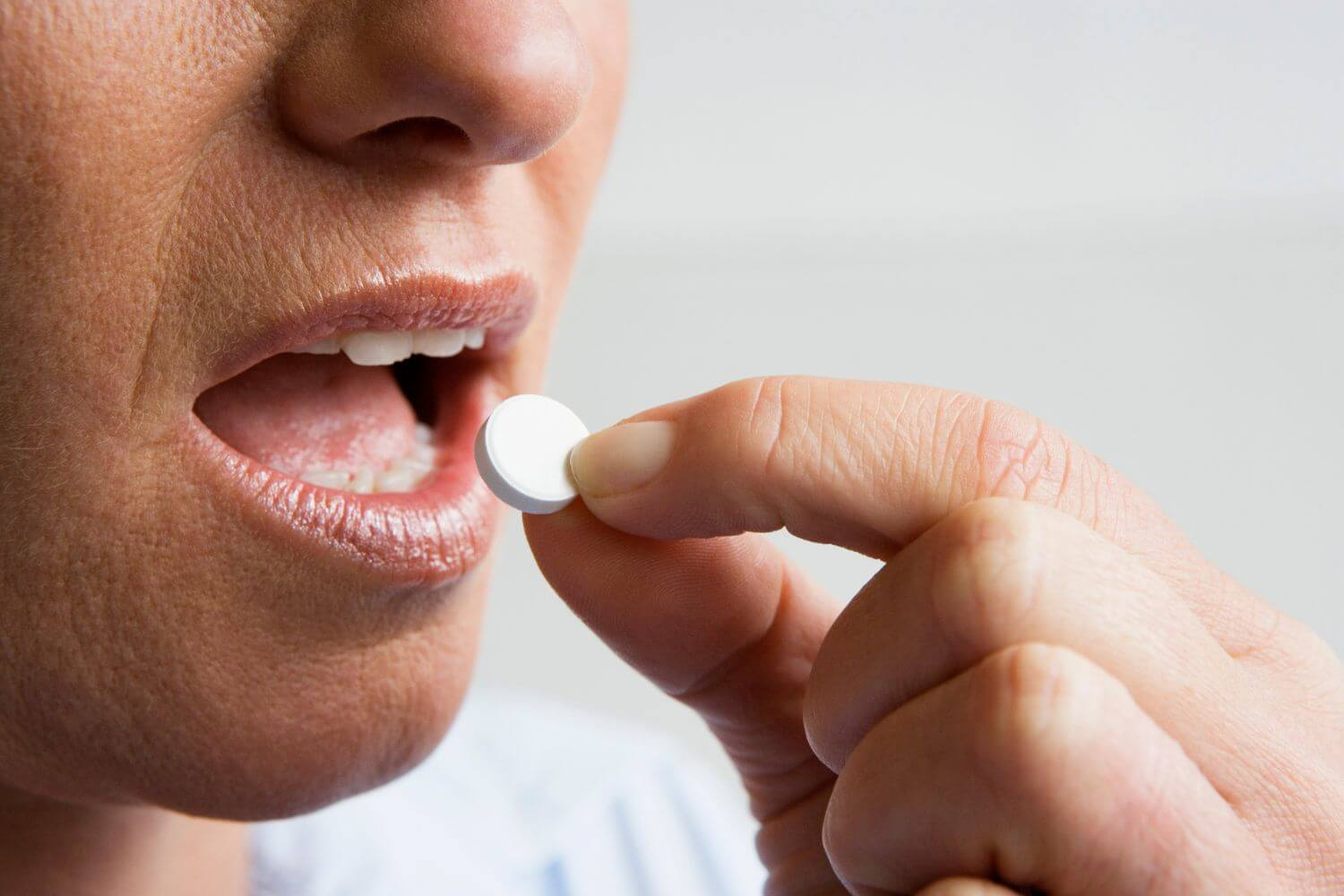
Do you believe there are too many people taking antidepressants in our society? If these things are so necessary to the mental health of such a large section of our population wouldn’t that indicate that something is wrong with our way of life? Shouldn’t we do something about that rather than giving lots of people mood altering drugs? This is a personal view from a dentist who cares about our community and sees a lot of patients who are taking antidepressants. It seems that we can never address any real issues in our society but go on inventing band aids to plug holes. I wanted to get that off my chest before focusing on how antidepressants make your mouth unhappy.
Antidepressants & A Lack Of Saliva
The fact that antidepressants make your mouth unhappy tells us something important about whether these drugs are good for our body. Dry mouth is the main oral side effect of taking certain antidepressant drugs. Salivary gland hypofunction and the perception of its symptoms are prominent in those individuals taking these drugs. Tricyclic antidepressants are more likely to be associated with dry mouth. Older patients taking these antidepressants are more likely to suffer from salivary gland hypofunction.
Dry Mouth From Mood Altering Drugs
Dry mouth is a term which covers associated dry lips and throat, sore throats, burning sensations within the oral cavity, halitosis, and altered taste awareness. A study of patients taking the tricyclic antidepressants showed a 58% reduction in parotid salivary gland flow rates. Those taking selective serotonin reuptake inhibitor (SSRI) antidepressants had a 32% reduction in their salivary flow rate. Dry mouth causes a range of problems for the oral hygiene of patients and dentists are very aware of this and the prevalence of these drugs within our communities.
Rates of Antidepressant Consumption in Australia
The rate of antidepressant use in Australia has climbed considerably over the last couple of decades. In 2020/21 around 4.5 million Australians or 17.7% of the population filled a prescription for mental health related medications. 73.1% of these were antidepressant medications. 84.7% of these were prescribed GPs. These statistical figures are sourced from the Australian Government – Australian Institute of Health and Welfare. https://www.aihw.gov.au/mental-health/topic-areas/mental-health-prescriptions
“Very few psychiatric drugs are approved for children or teenagers in Australia, and none for depression. However, we found that 1 in 10 teenagers 15 to 18 years were prescribed antidepressants in 2018,’’ says Julie Klau, PhD candidate in the Critical and Ethical Mental Health research group at the University of Adelaide’s Robinson Research Institute.
Older Australians Taking Antidepressants & Dry Mouth
The issues caused by dry mouth for those with dentures are problematic. A lack of saliva often causes denture-induced mucosal ulceration. This is when the absence of a film of saliva between dentures and gums impairs retention of the dentures and the resultant friction produces ulceration.
There are dental issued more generally for people with prolonged dry mouth conditions. Saliva is an important buffer to the organic acids produced by dental plaque and this helps maintain a remineralising environment in our mouths. This is vital for the preservation of our teeth. Anecdotal evidence from a number of dentists reports that patients suffering from dry mouth will increase their intake of beverages, which are often sugary and cariogenic. Alternatively, they may chew gum or suck sweets in a bit to increase saliva production within their mouths. All of these things contribute to further damaging the health of their teeth.
I think that when an individual is put on antidepressants by their GP they should be adequately warned of dry mouth as a potentially serious side effect. Doctors should either tell their patients to see their dentist about the possible issues with dry mouth or clearly set out the likely dental problems they may well face. From here in our Bacchus Marsh dentist’s clinic in coming weeks we will write an article about dry mouth to explore the subject more.
For sure there is a relationship between your teeth and your mental health – both teeth affecting your psychological condition, and as this article illustrates, the reverse.
“Therapeutic Guidelines: Oral and Dental recommends that before treatment patients should have a dental check-up followed by treatment of any active dental disease. Instruction in oral hygiene (and denture hygiene if dentures are used) should be given. Review appointments, to assess the oral and dental status, should be at 3–6 monthly intervals.” – Oral and Dental Expert Group, 2012
How antidepressants make your mouth unhappy is a real issue for many Australians and their dentists. There are patients with clinical depression who do benefit from taking antidepressants for a monitored period of time to treat their condition. However, the normalisation of taking these prescribed mood altering medications has seen a huge rise in their use across the western world in all demographics. The role of pharmaceutical corporations and their powerful influence on doctors here in Australia and right around the globe is of concern to me and many others in the healthcare professions. I return to my earlier point if so many people find modern life a problem, with Australia closing in on one fifth of the population taking mental health medications, shouldn’t we look at what is wrong with modern life rather than drugging those experiencing the problem. Other common side effects for antidepressants include: sexual dysfunction, constipation, weight gain, diarrhoea, stomach pain, dizziness, headaches, excessive sweating, and drowsiness. Our tendency to specialisation in academic and medical pathways results in one problem being fixed at the expense of creating more problems in other areas like dental health. Saliva is a very important part of the healthy human being and is involved in maintaining a balance within our physical wellbeing. Remember to see your dentist regularly and please feel free to confidentially discuss your use of medications in light of their impact on your dental health.
References:
Black Elisa, “Prescribing of psychiatric drugs to Australian kids on the rise”, Jan 2022, https://www.adelaide.edu.au/newsroom/news/list/2022/01/31/prescribing-of-psychiatric-drugs-to-australian-kids-on-the-rise
Daly C. Oral and dental effects of antidepressants. Aust Prescr 2016;39:84. https://doi.org/10.18773/austprescr.2016.035
Wright, Clive. “Therapeutic Guidelines: Oral and Dental. Version 2.” Australian Prescriber 35.6 (2012): 182.
Note: All content and media on the Bacchus Marsh Dental House website and social media channels are created and published online for informational purposes only. It is not intended to be a substitute for professional medical advice and should not be relied on as health or personal advice.