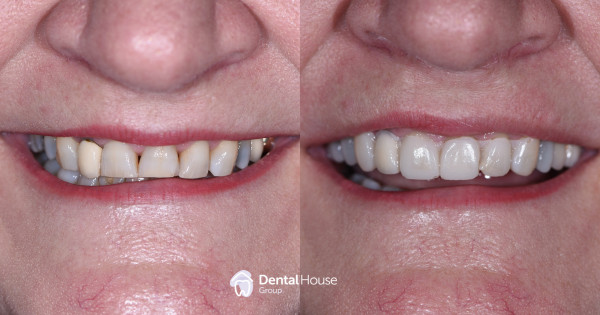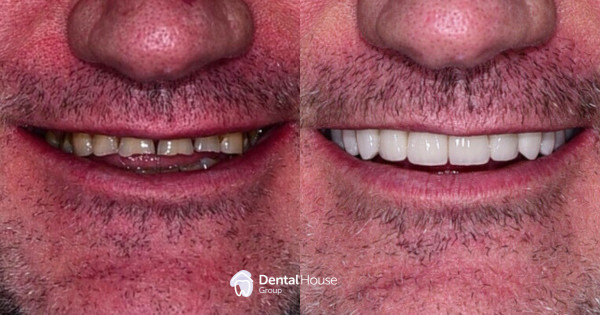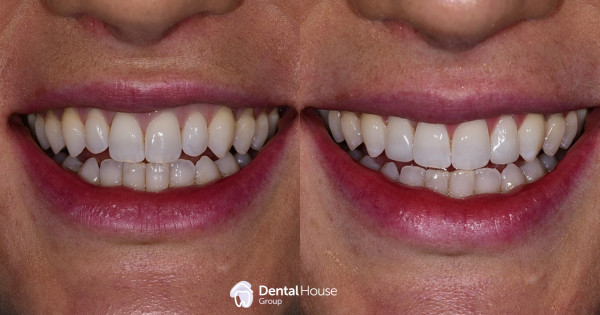
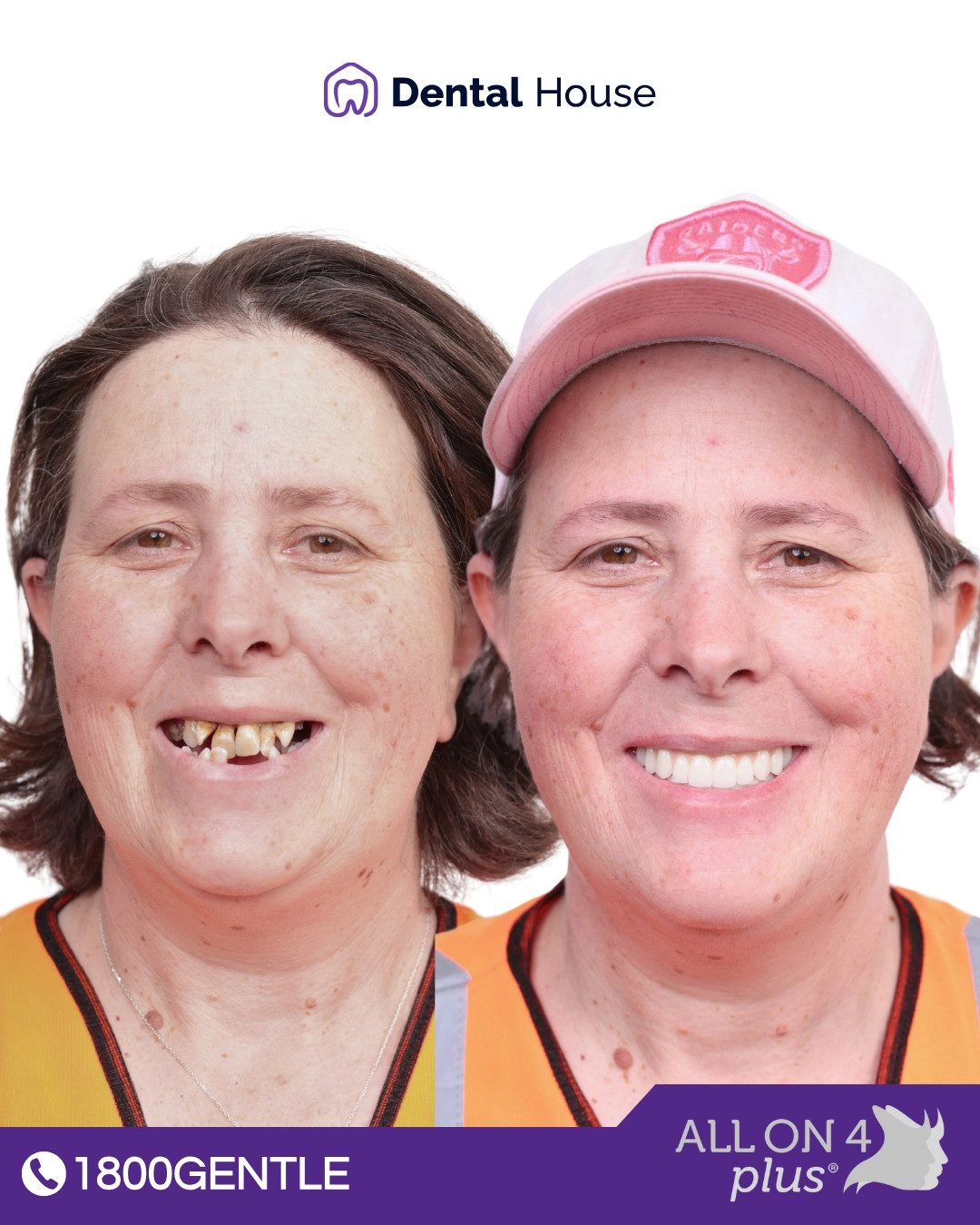
Invisalign & Composite Veneers Clinical Case in Bacchus MarshRead more
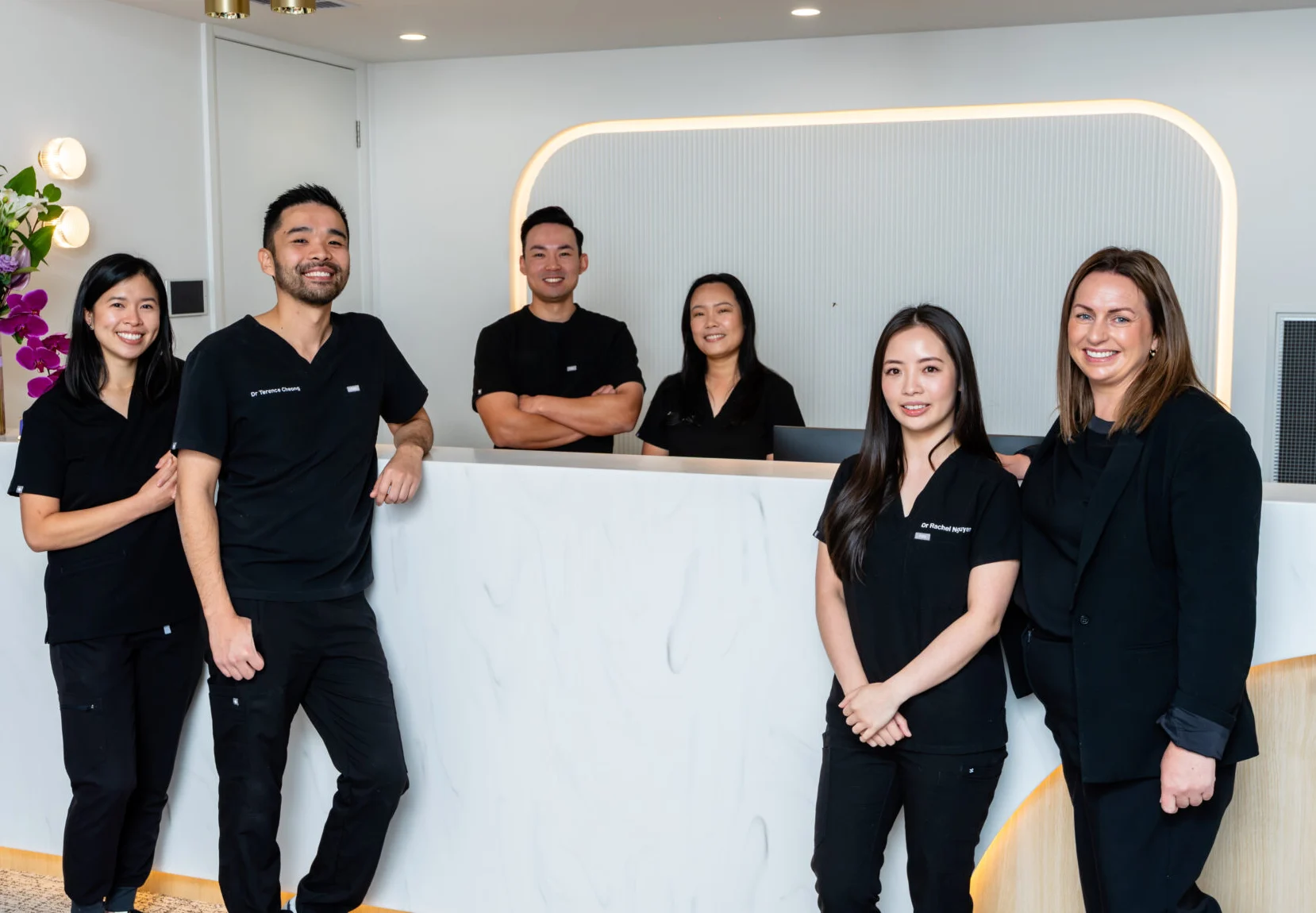
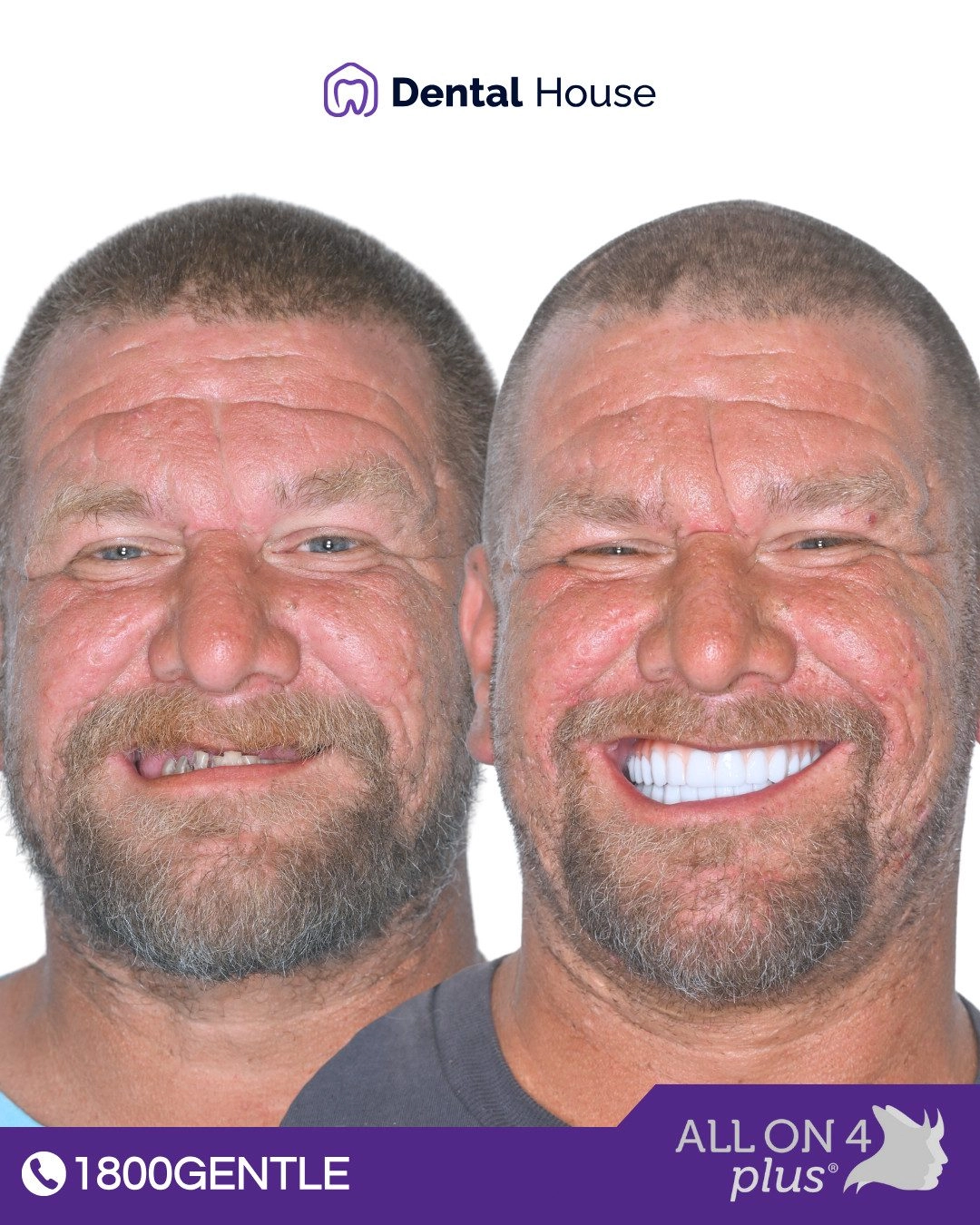
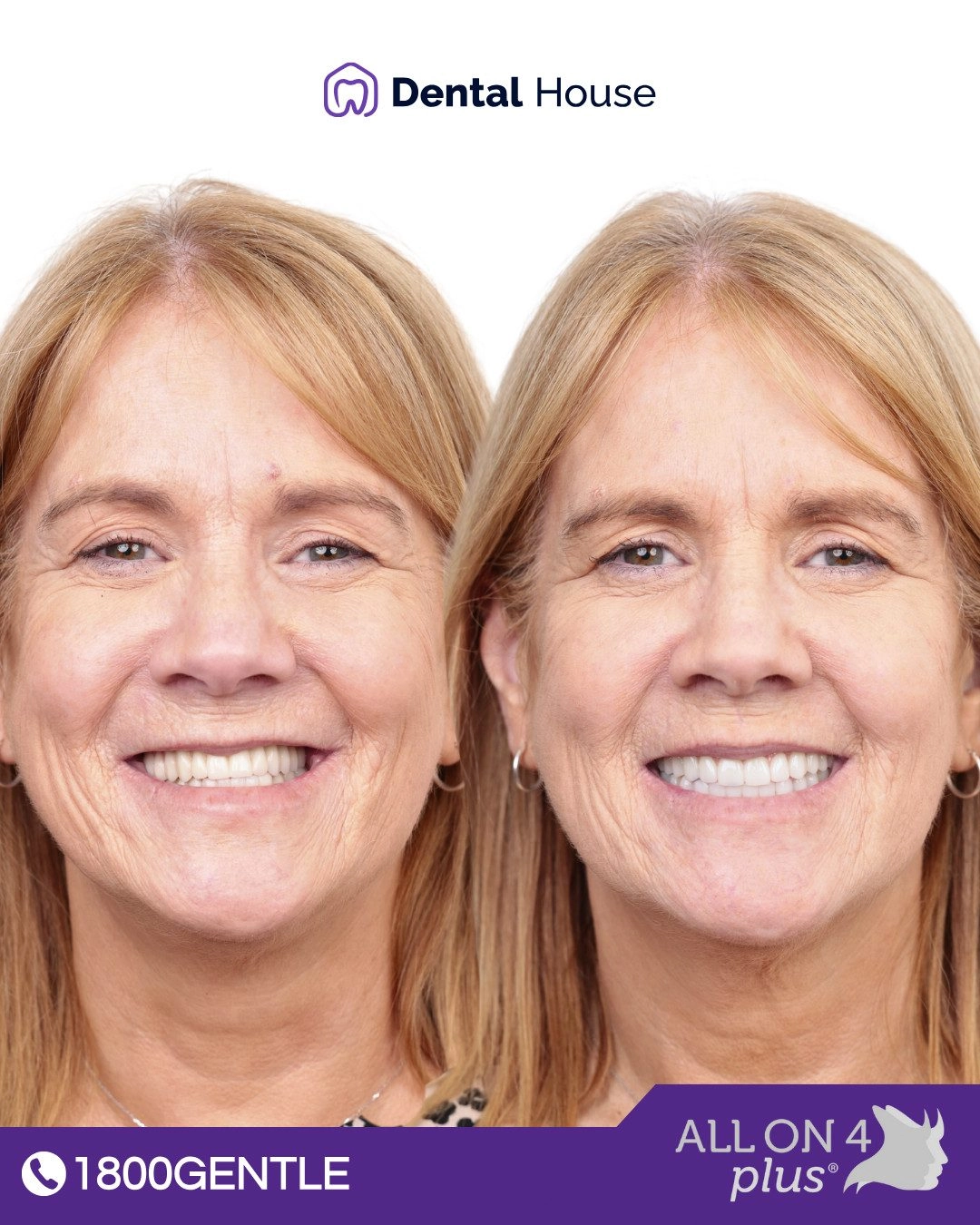
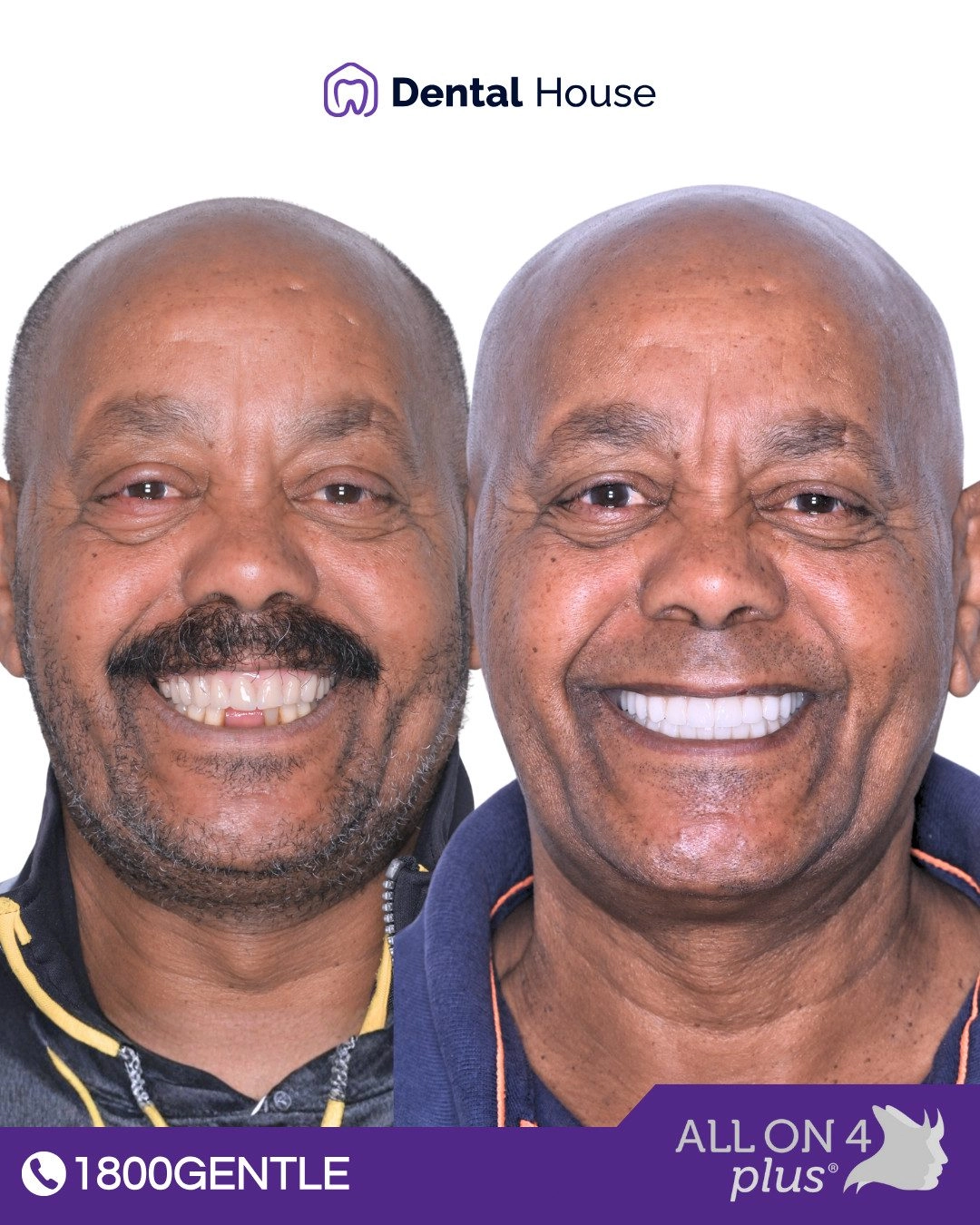
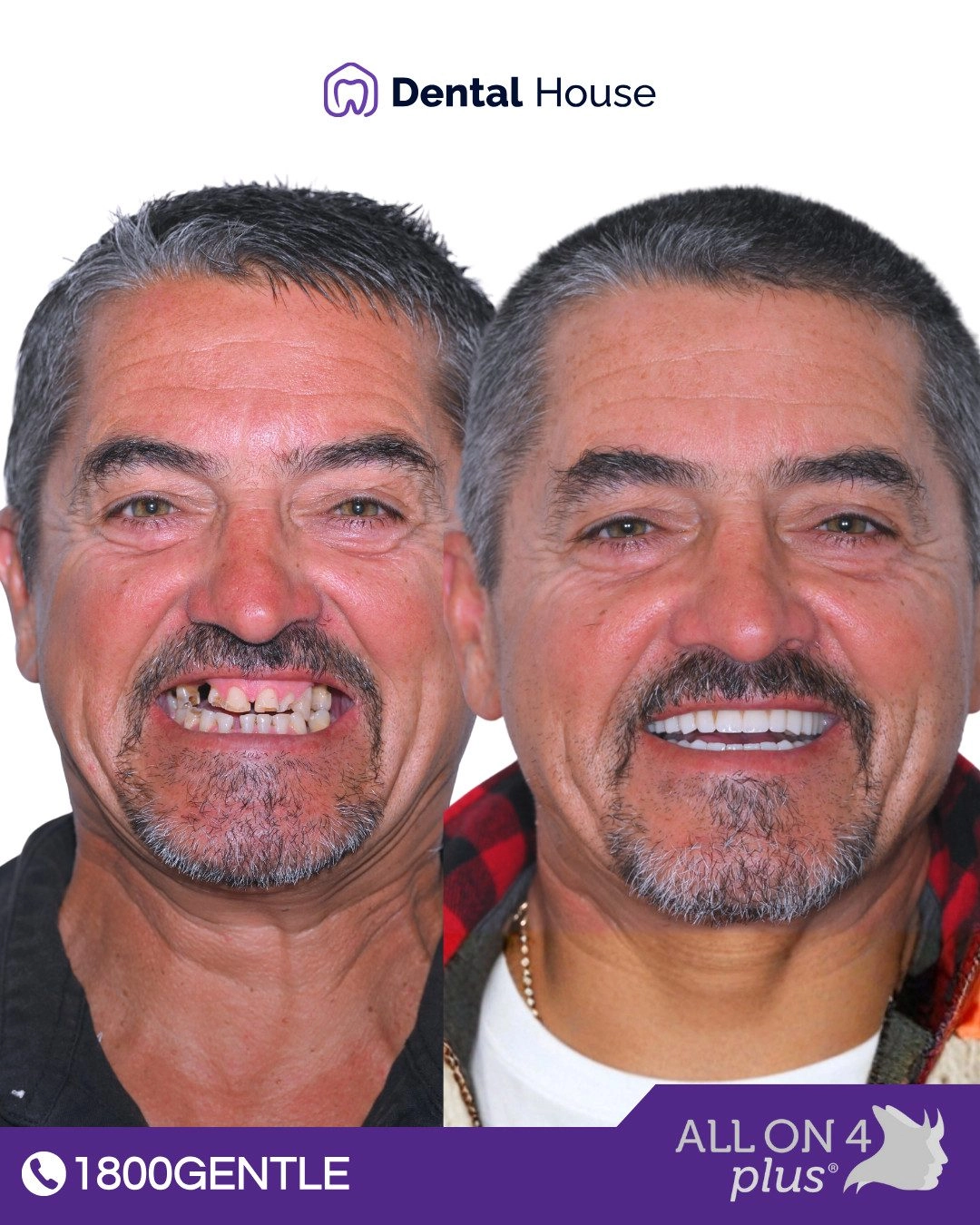

Need complex dental treatment but concerned about anxiety or discomfort in Bacchus Marsh? At Bacchus Marsh Dental House, your family’s dental home for over 30 years, our experienced team provides sleep dentistry and sedation options, using modern, safe medications tailored to individual needs to help you receive comprehensive dental care in comfort.
Sleep dentistry allows individuals with extreme anxiety or complex treatment needs to receive comprehensive dental care whilst completely comfortable and relaxed. Modern sedation medications can transform multiple-visit treatments into single sessions, saving time whilst reducing stress. At Bacchus Marsh Dental House, we’ve helped 39,000+ families across Melbourne’s north-west receive the care they need.
Sleep dentistry encompasses various sedation levels from mild relaxation to general anaesthesia, depending on individual needs and treatment complexity. Sedation dentistry involves medications causing deep relaxation whilst individuals remain awake, often with little memory of procedures.
Sleep dentistry specifically uses general anaesthesia where individuals are completely unconscious, typically for extensive procedures or extreme anxiety. Different methods include oral medications, nitrous oxide (laughing gas), intravenous sedation, and general anaesthesia.
Each requires individual assessment considering medical history, anxiety levels, and treatment complexity. Sleep dentistry may not suit all situations, such as procedures requiring communication or individuals with conditions like sleep apnoea, though individual responses vary.
Your situation requires individual evaluation. At Bacchus Marsh Dental House, we assess each case individually through our comprehensive pre-sedation assessment. Sleep dentistry may be appropriate for various individuals, though specific sedation types require thorough medical assessment and may not be appropriate for everyone.
Individual needs vary based on sedation level and treatment complexity. Here's what the typical journey involves:

Thorough evaluation of medical history, current medications, allergies, and treatment needs to determine appropriate sedation options and ensure safety considerations are addressed. (1 visit, approximately 45-60 minutes)

Detailed discussion of sedation options, preparation requirements, and post-treatment care instructions, including transportation arrangements and fasting requirements when necessary. (Same visit, approximately 15-30 minutes)

For oral sedation, prescription medications may be provided to take before your appointment, with specific timing instructions based on individual assessment. (Prescribed in advance, taken as directed)

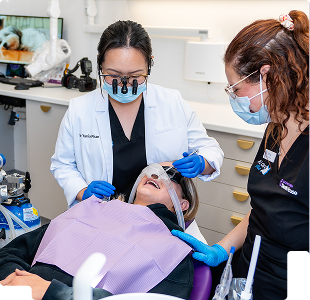
Administration of chosen sedation method followed by comprehensive dental treatment whilst you remain relaxed and comfortable, with continuous monitoring throughout the procedure. (Single extended appointment, timing varies based on treatment complexity)

Careful observation during recovery period to ensure sedation effects wear off safely, with post-treatment instructions and follow-up care guidance provided. (Recovery time varies by sedation type, typically 30-120 minutes)

Assessment of healing progress and discussion of ongoing treatment needs, with options for future sedation if additional procedures are required. (Follow-up visits as needed, timing based on treatment type)
Sleep dentistry uses sedation to help individuals feel relaxed during treatment, and like all medical procedures, it has risks and recovery considerations.
Possible risks include:
Recovery considerations:
Quality dental care is an investment in your long-term health and wellbeing. Download our comprehensive price guide today.
Most individuals have little to no memory of procedures performed under sedation. This amnesia effect helps reduce anxiety about future treatments, though individual experiences with memory may vary based on sedation type and personal factors.
Sedation can be safe and beneficial for some children when appropriate. We offer various levels from nitrous oxide to general anaesthesia, tailored to the child’s age, size, and treatment needs, though suitability requires individual assessment.
Preparation varies by sedation type. Mild sedation may require minimal preparation, whilst general anaesthesia requires fasting, loose clothing, no jewellery, and arranged transportation. Specific instructions will be provided based on your treatment plan.
We offer flexible payment plans to suit your budget. Get the dental care you need, when you need it.





The first step is a comprehensive consultation to assess your sedation options and determine the most appropriate approach for your treatment needs. Don't let anxiety prevent necessary dental care. Contact our caring Bacchus Marsh team today.
Disclaimer: The material posted is for informational purposes only and is not intended to substitute for professional medical advice, diagnosis or treatment. Results vary with each patient. Any dental procedure carries risks and benefits. If you have any specific questions about any dental and/or medical matter, you should consult your dentist, physician or other professional healthcare providers.
Medically Reviewed by Dr Terence Cheong
Last Reviewed: July 15, 2026
Stories, expertise, and a closer look at what we do