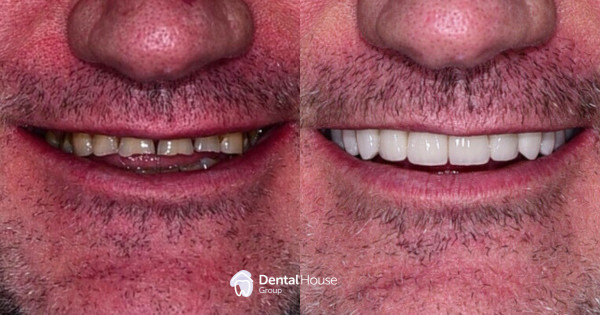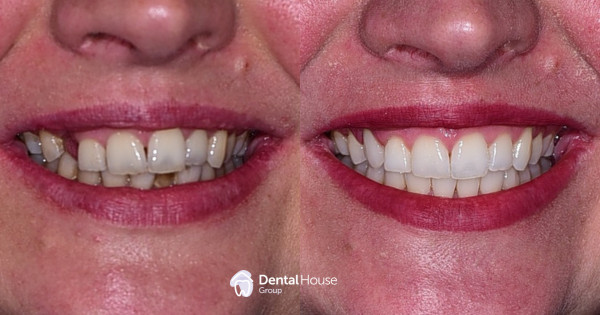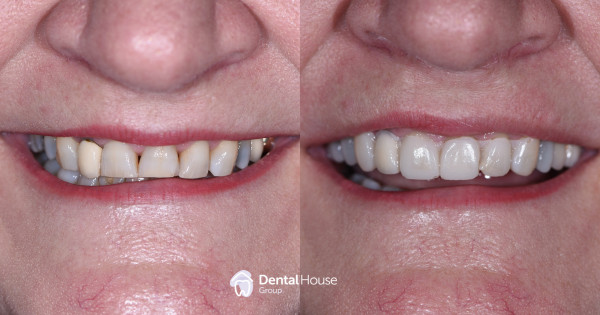
Full Mouth Restoration Clinical Case in Bacchus MarshRead more


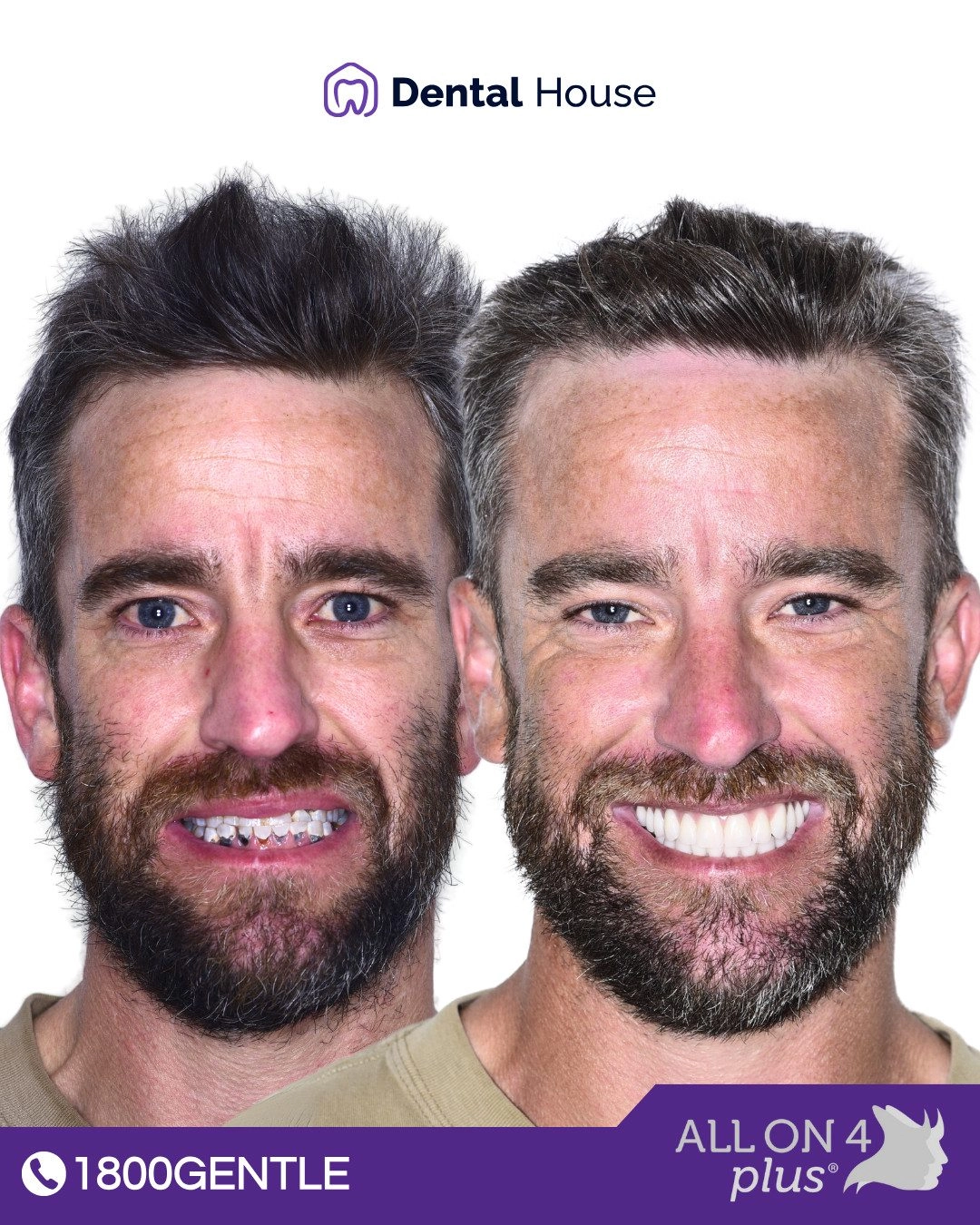
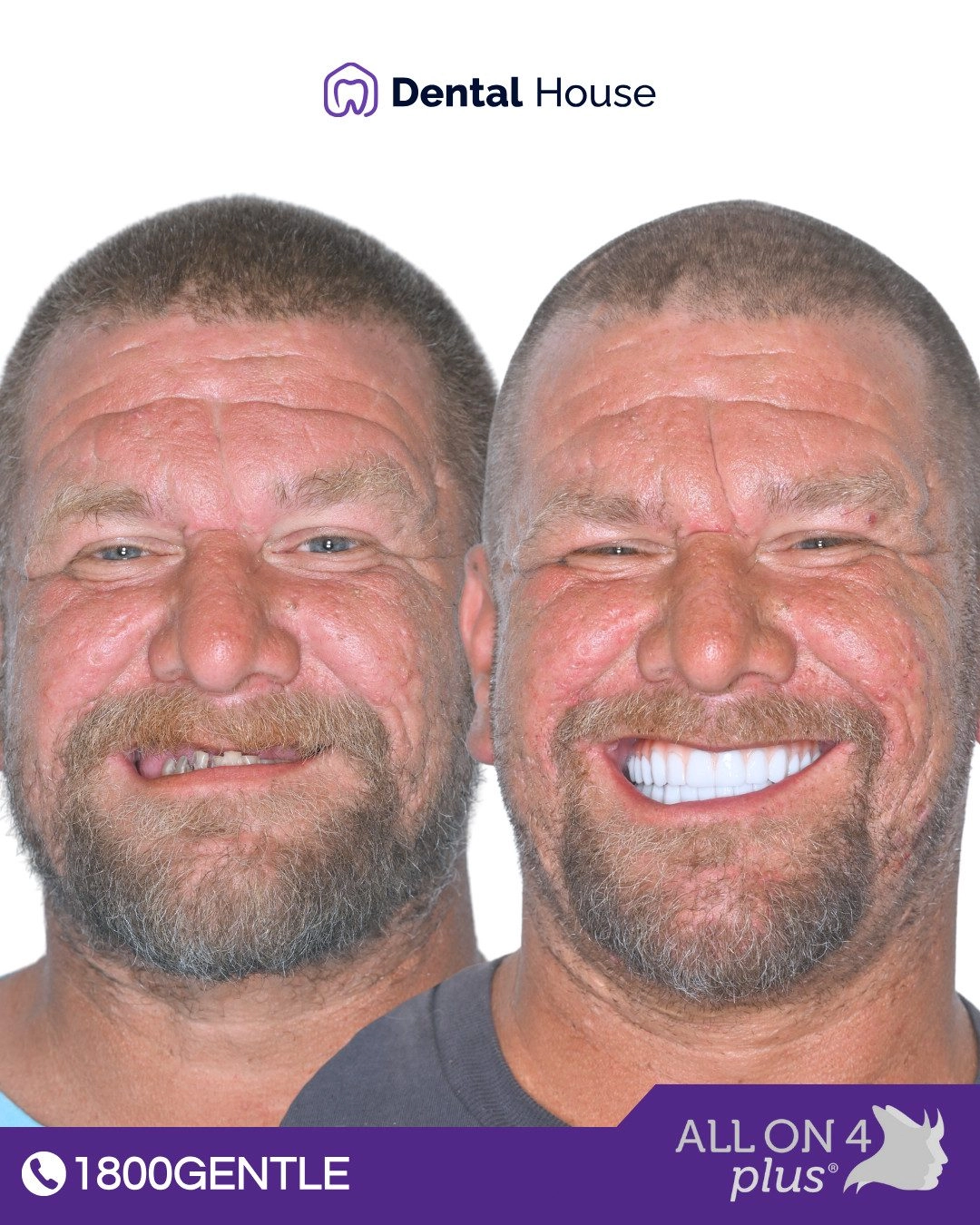
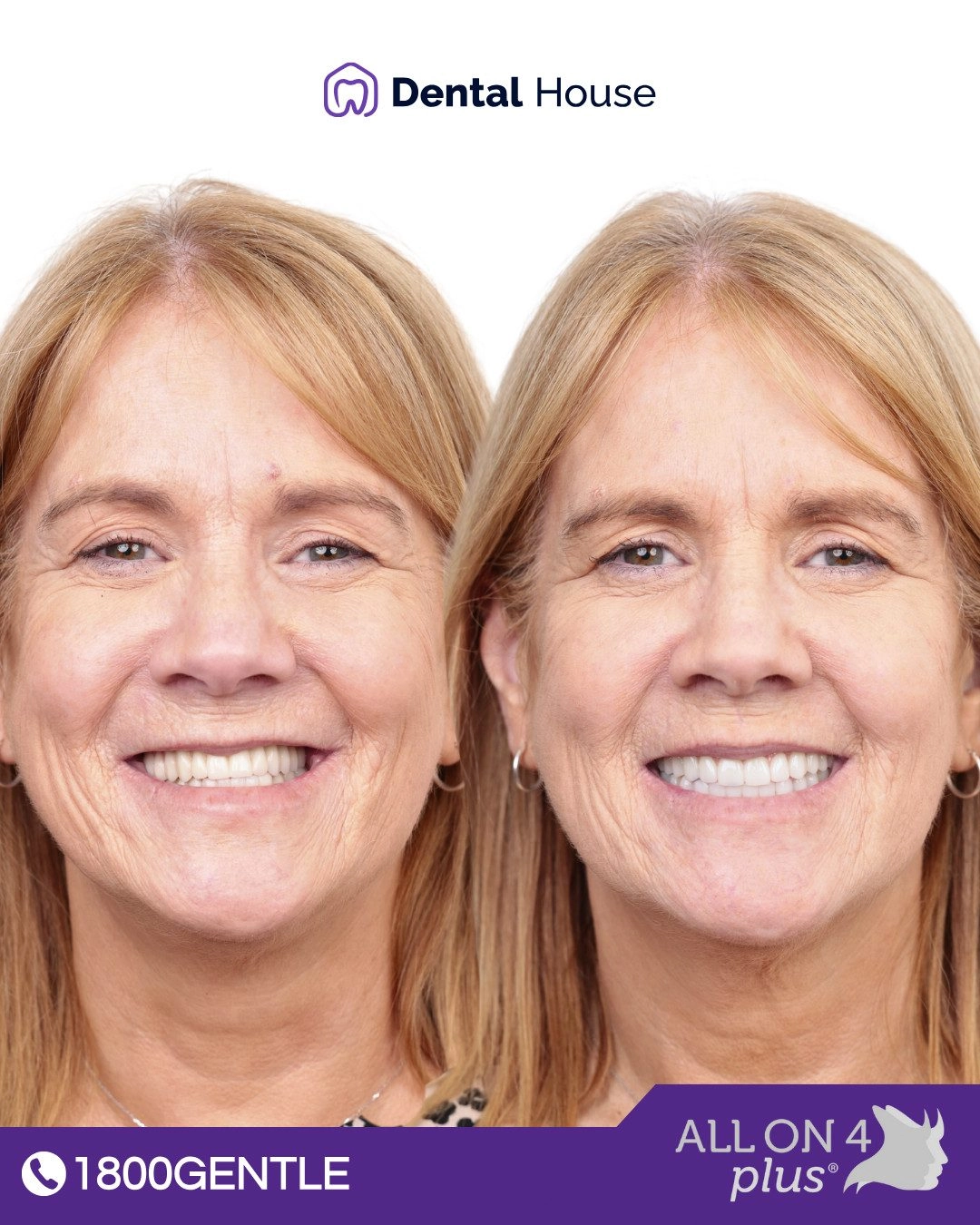
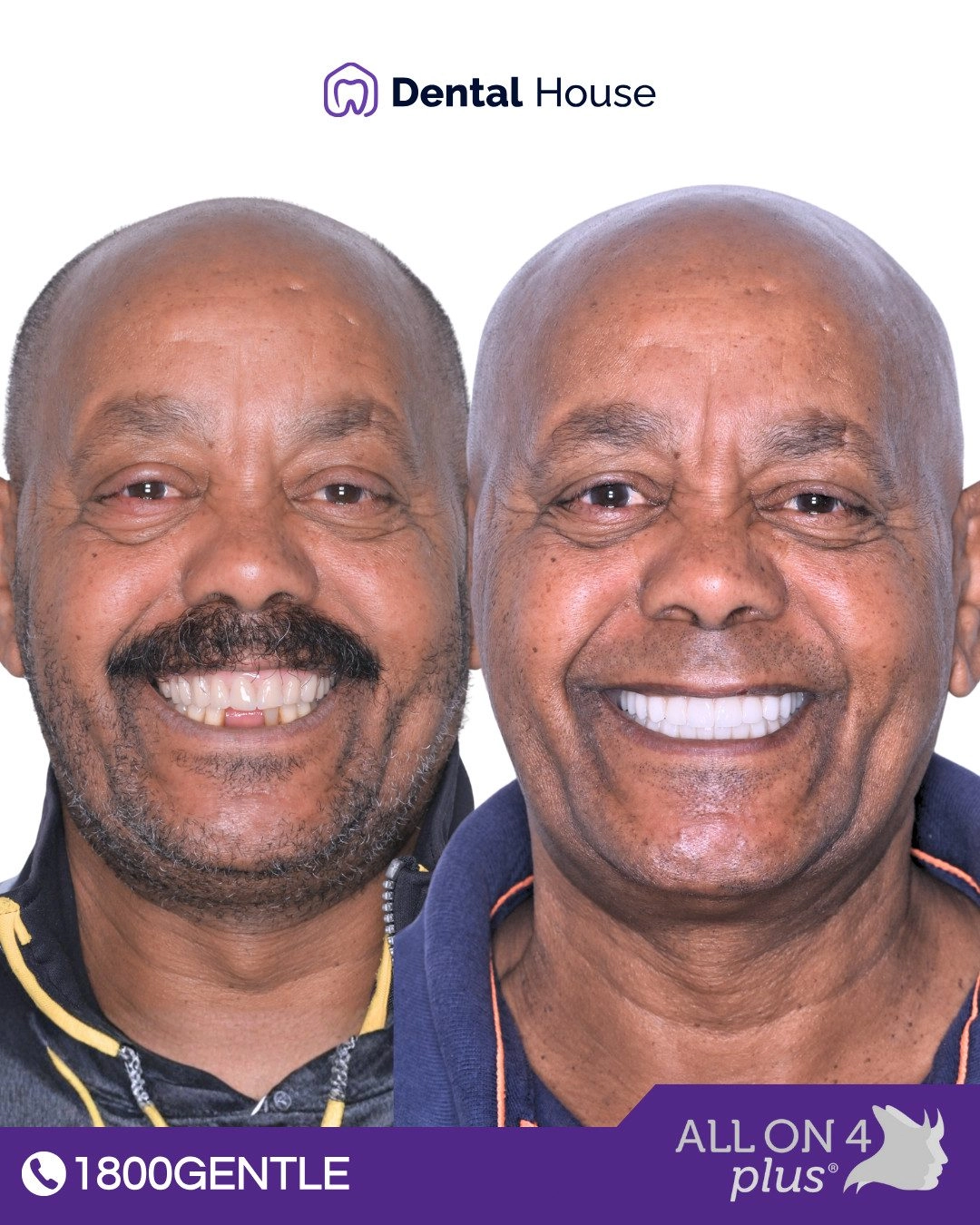
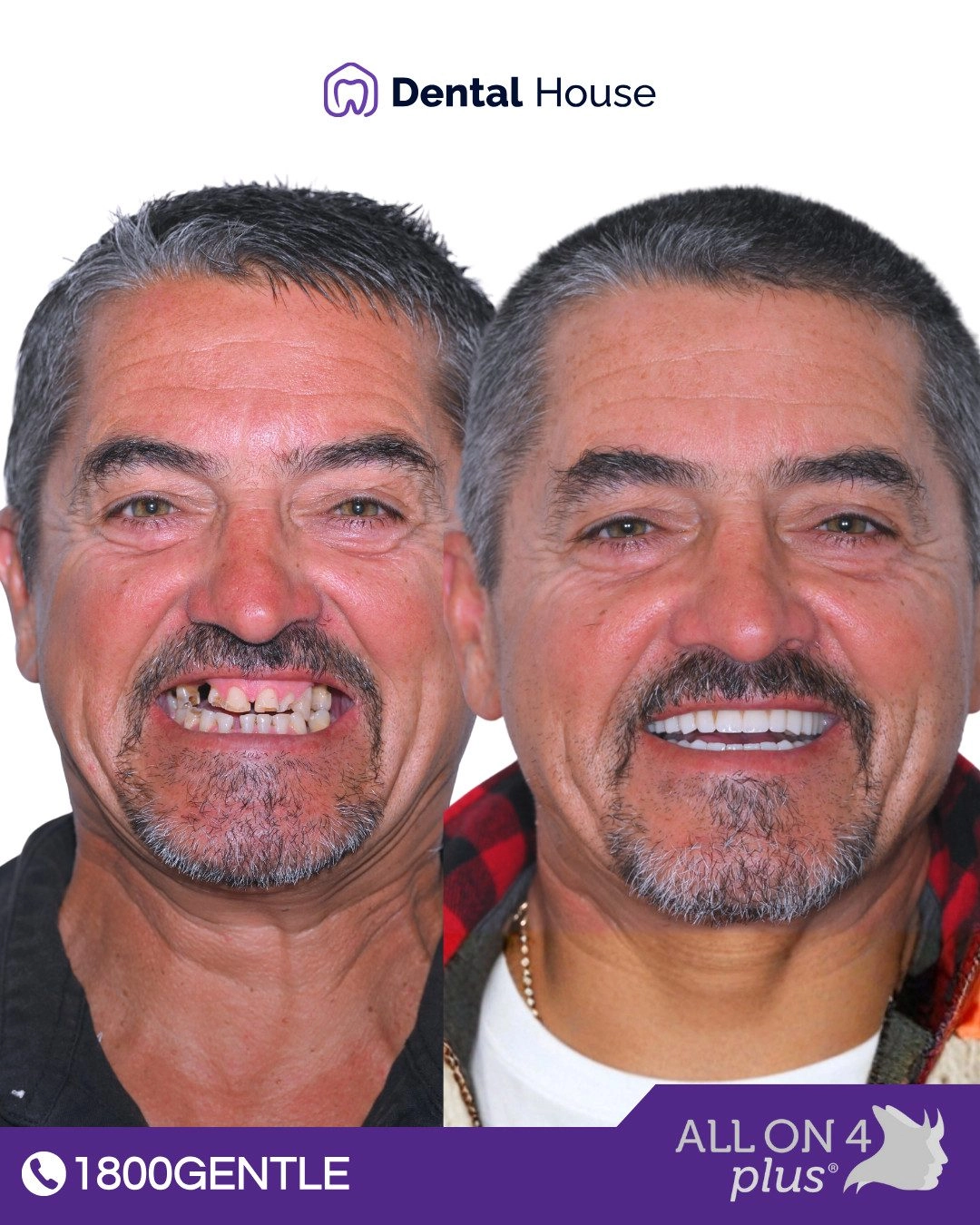
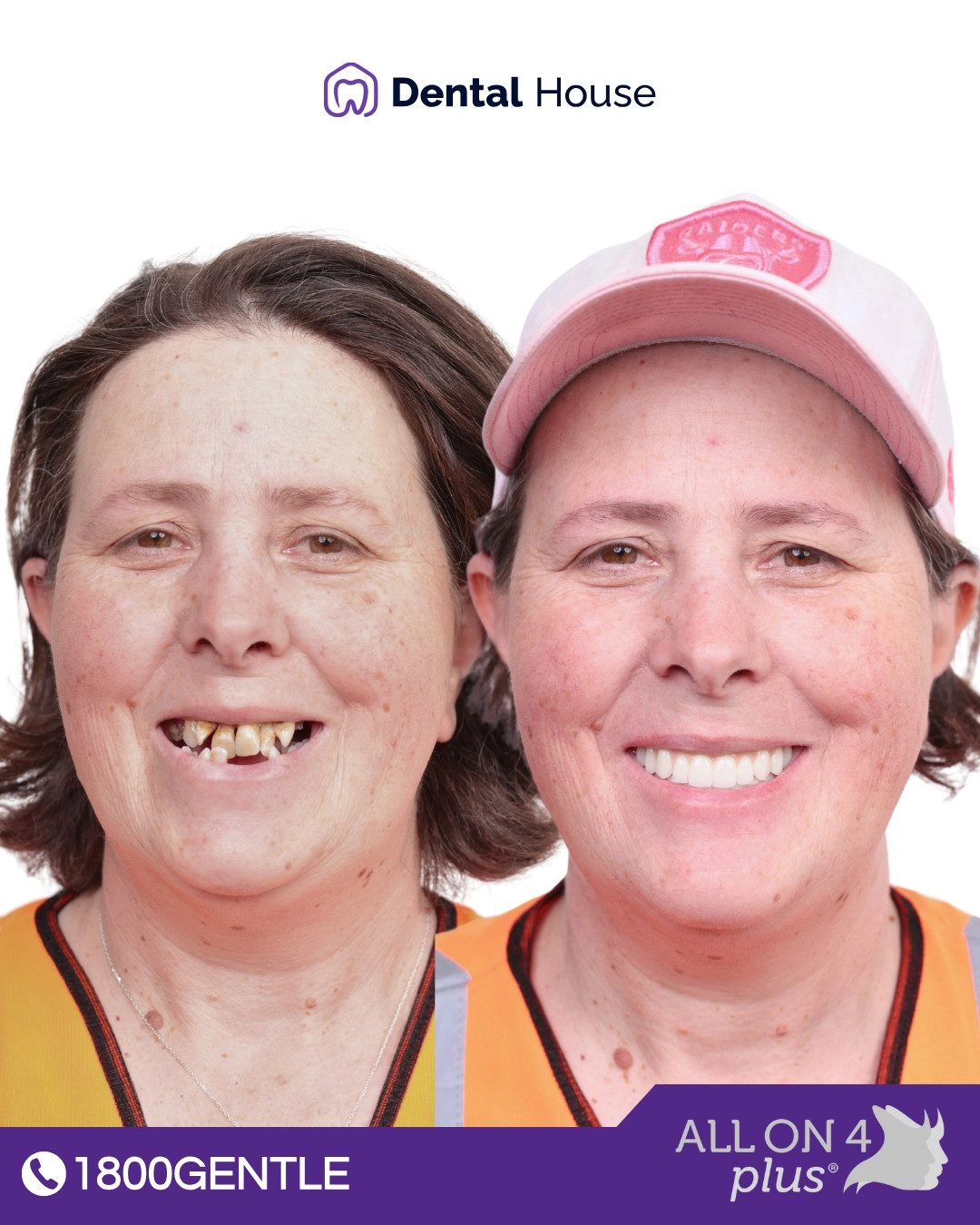
Considering tooth restoration in Bacchus Marsh? At Bacchus Marsh Dental House, your family’s dental home for over 30 years, our experienced team provides comprehensive care using established restoration techniques and materials for repairing damaged or decayed teeth.
Damaged, decayed, or worn teeth can significantly impact your daily life, affecting your ability to eat comfortably, speak clearly, and smile with confidence. At Bacchus Marsh Dental House, we’ve helped 39,000+ families across Melbourne’s north-west explore comprehensive restoration options, and we understand how concerning problems with your teeth can be.
Tooth restoration encompasses established dental procedures designed to repair and restore the function, integrity, and appearance of teeth affected by decay, trauma, or wear. Restorations include both direct treatments (fillings placed immediately in the mouth) and indirect treatments (crowns, bridges, inlays, onlays, and veneers fabricated in a laboratory).
This comprehensive approach addresses various degrees of tooth damage, from simple cavities requiring fillings to extensively damaged teeth needing crowns or complete replacement with implants.
The restoration process involves removing damaged tooth structure, preparing the tooth appropriately, and replacing lost structure with suitable materials such as composite resin, porcelain, or metal alloys. This approach aims to restore proper function, prevent further deterioration, and maintain oral health whilst providing natural-looking results, though treatment selection depends on the extent of damage, tooth location, and individual patient factors including budget and aesthetic preferences.
Your situation requires individual evaluation. At Bacchus Marsh Dental House, we assess each case individually through our comprehensive, gentle consultation process. Tooth restoration may be appropriate when certain conditions are met regarding damage extent and restoration requirements.
Treatment timelines vary based on restoration complexity and whether direct or indirect methods are used. Here's what the typical journey involves:

Our caring team conducts a detailed examination including digital X-rays to evaluate damage extent, determine restoration needs, and discuss treatment options. (1-2 appointments, approximately 60-90 minutes each)

We develop your personalised restoration plan, addressing any underlying issues first to ensure strong foundations for your restorations. (Planning completed during assessment or follow-up appointment)

Damaged or decayed portions are carefully removed, and teeth are prepared for restoration placement using local anaesthetic for your comfort. (1 appointment for direct restorations, or first appointment for indirect restorations, approximately 60-120 minutes)

For direct restorations, materials are placed immediately. For indirect restorations, detailed impressions are taken and temporary restorations fitted. (Same appointment for direct, or with 2-3 week laboratory period for indirect restorations)

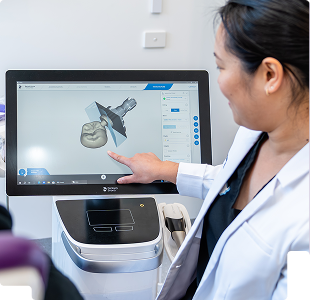
(Indirect restorations only): Skilled technicians create your custom restorations using high-quality materials to match your natural teeth. (Typically 2-3 weeks between appointments)

Your completed restorations are carefully fitted, adjusted for optimal comfort and function, and care instructions provided. (1 appointment, approximately 60-90 minutes for indirect restorations)
Tooth restorations repair damaged or decayed teeth, and as with any dental procedure, there are risks and recovery considerations.
Possible risks include:
Recovery considerations:
Quality dental care is an investment in your long-term health and wellbeing. Download our comprehensive price guide today.
Direct restorations like fillings are placed immediately in your mouth during one appointment. Indirect restorations like crowns and bridges are made in a laboratory and require multiple appointments. We’ll recommend the most appropriate approach based on your individual damage extent and needs.
Restoration longevity depends on various factors including material type, location, size, oral hygiene, and bite forces. Regular check-ups help monitor restoration condition and address issues early to maximise lifespan, and we’ll discuss realistic expectations during your consultation.
Initially, restored teeth may feel different as you adapt to the new surface and shape. Most patients adjust within days to weeks. If discomfort persists or bite feels incorrect, we’ll make necessary adjustments to ensure optimal comfort.
We offer flexible payment plans to suit your budget. Get the dental care you need, when you need it.





The first step is a comprehensive examination to assess your restoration needs and determine the most suitable treatment approach. Contact our caring Bacchus Marsh team today.
Disclaimer: The material posted is for informational purposes only and is not intended to substitute for professional medical advice, diagnosis or treatment. Results vary with each patient. Any dental procedure carries risks and benefits. If you have any specific questions about any dental and/or medical matter, you should consult your dentist, physician or other professional healthcare providers.
Medically Reviewed by Dr Terence Cheong
Last Reviewed: July 15, 2026
Stories, expertise, and a closer look at what we do