
Can Porcelain Crowns and Veneers Repair Cracked and Discoloured Front Teeth in Sunbury?
Presenting Clinical Problem
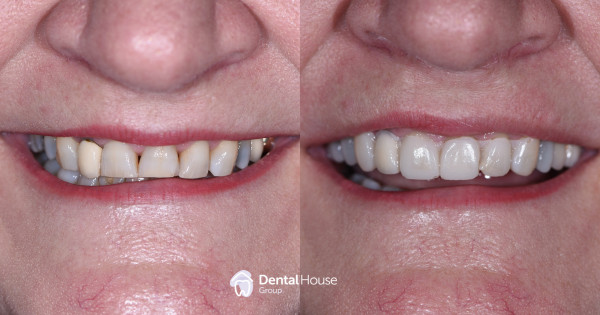
- Cracked anterior teeth compromising structural integrity
- Discolouration of individual tooth affecting aesthetic appearance
- Gingival darkening adjacent to discoloured tooth
- Variation in treatment needs between affected teeth
- Primary objective: Restore structural integrity whilst addressing aesthetic concerns through appropriate restorations
Treatment Plan & Clinical Process
Phase 1: Assessment and Treatment Planning
- Comprehensive examination including crack extent evaluation
- Radiographic assessment to identify any pulpal involvement
- Discussion of treatment options based on crack depth and location
- Determination of which teeth require full crown coverage versus conservative veneers
- Shade analysis for coordinated aesthetic result
Phase 2: Tooth Preparation
- Preparation of cracked teeth for full crown coverage providing structural protection
- Conservative veneer preparation on structurally sound teeth requiring only aesthetic improvement
- Assessment for need of build-up materials on extensively damaged teeth
- Temporary restoration placement during laboratory fabrication period
- Gingival tissue management if inflammation present
Phase 3: Restoration Placement
- Trial fitting of laboratory-fabricated crowns and veneers
- Verification of shade coordination across multiple restorations
- Permanent cementation using appropriate protocols
- Occlusal adjustment to ensure proper bite distribution
- Post-placement monitoring for crack progression and gingival response
Clinical Outcome
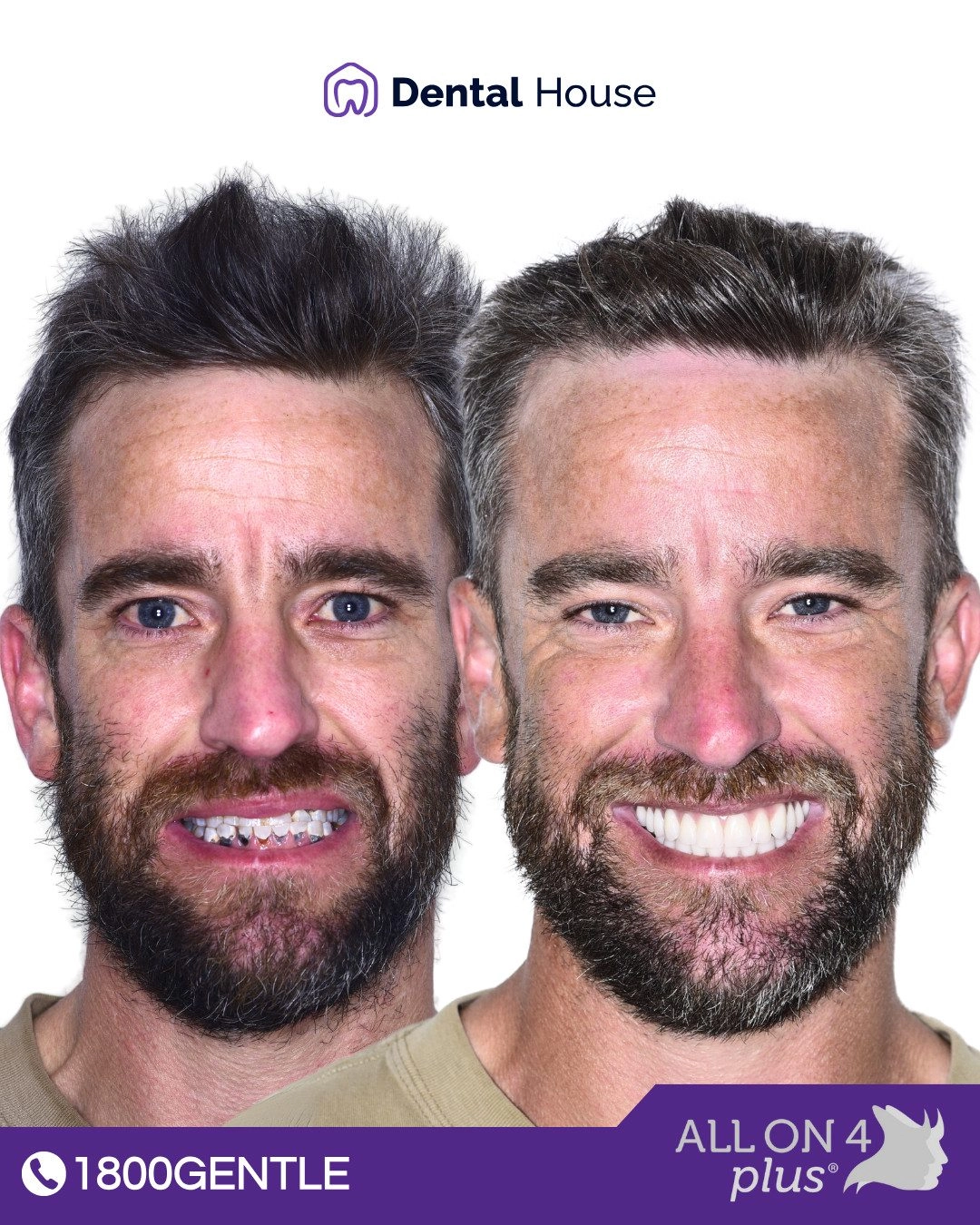
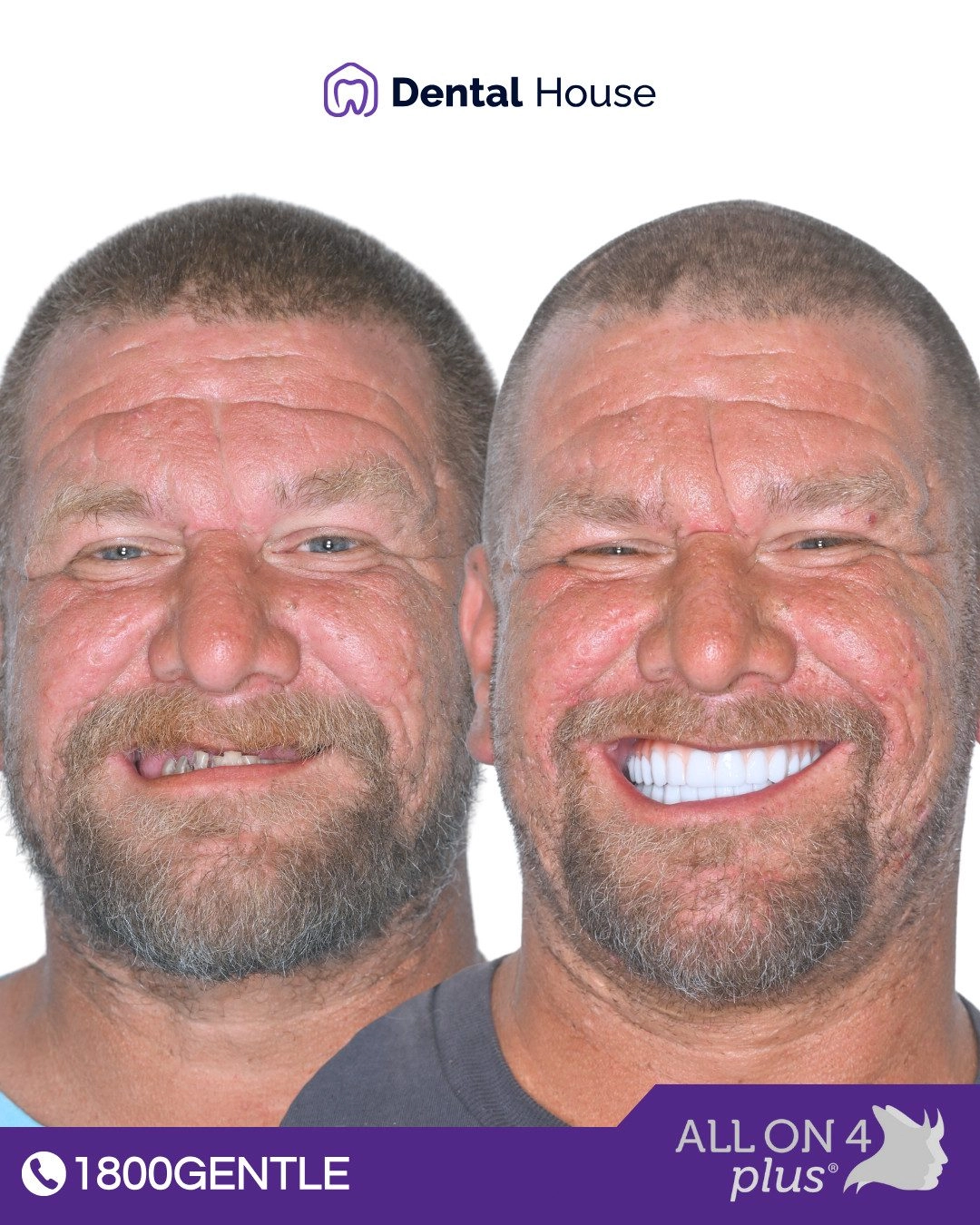
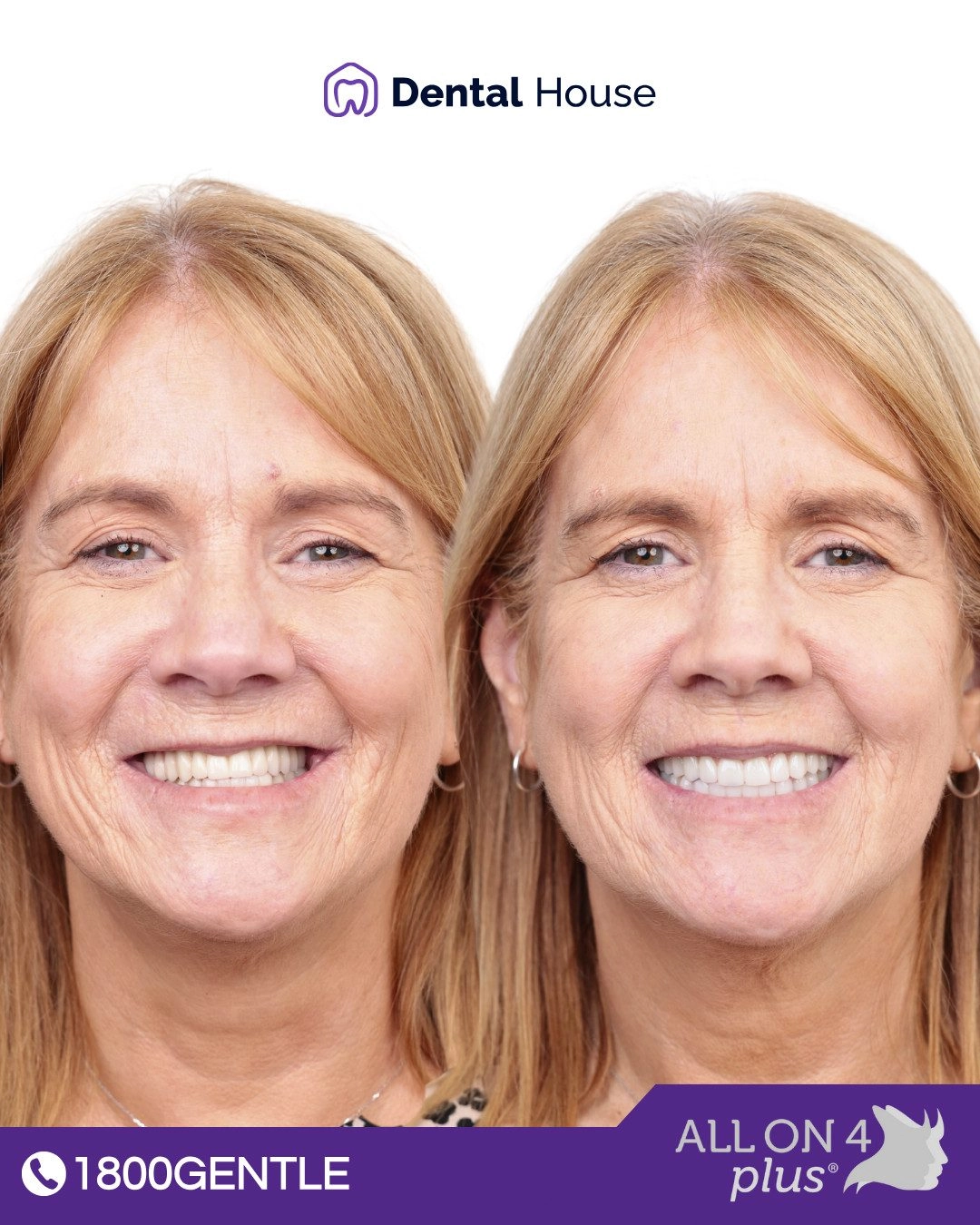
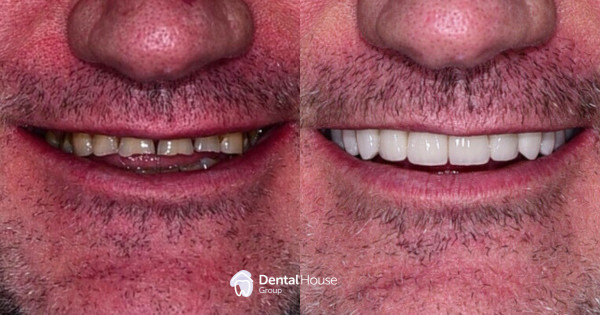
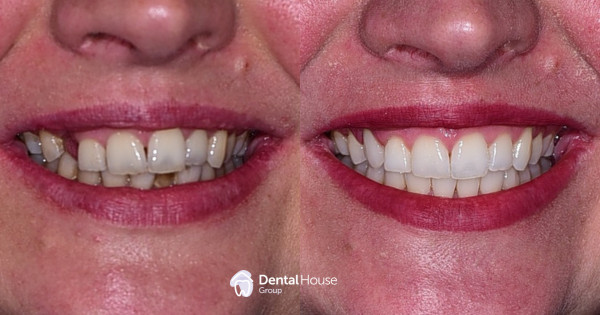
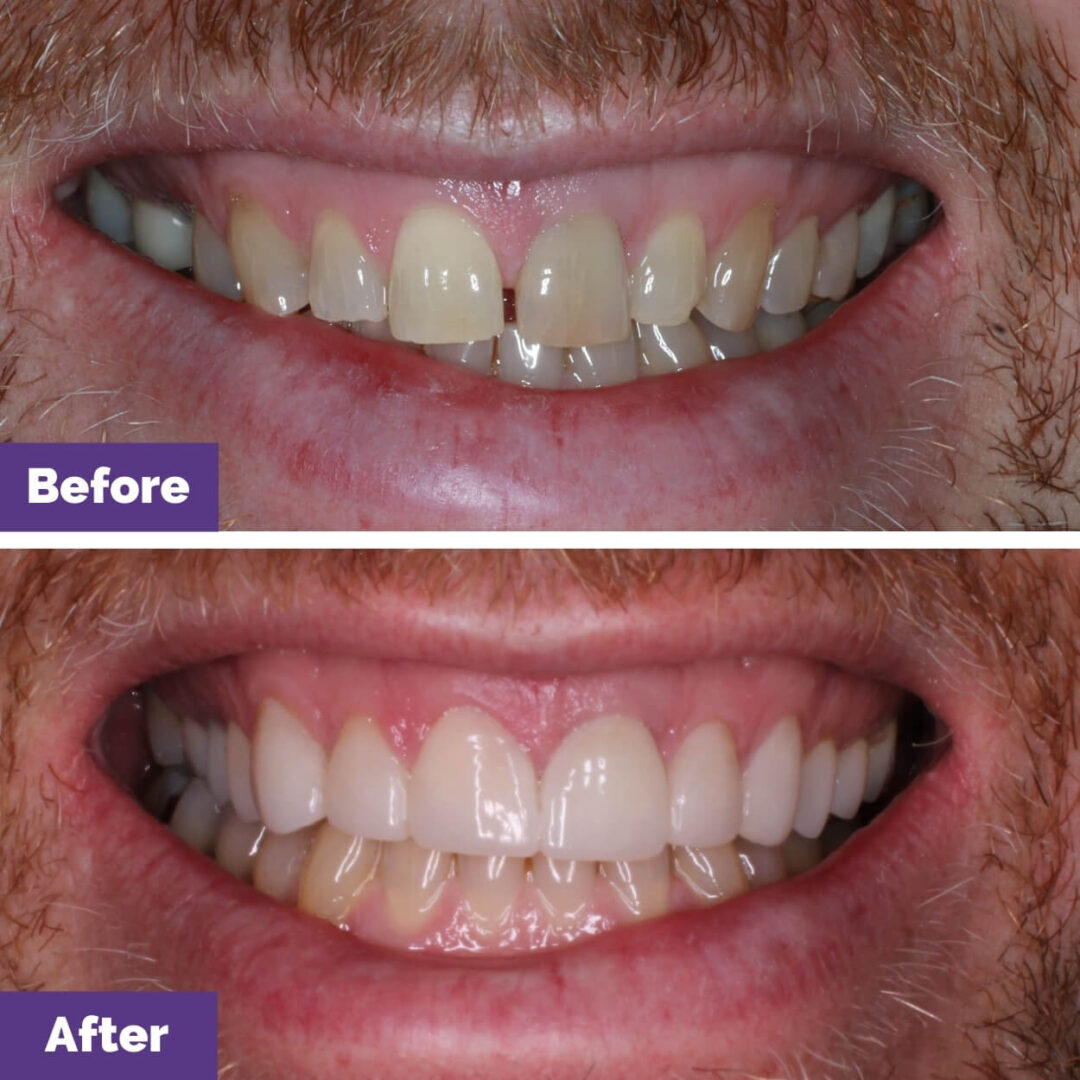
Combination treatment using crowns on structurally compromised teeth and veneers on sound teeth addressed both functional and aesthetic concerns. This approach provided appropriate protection for cracked teeth whilst maintaining more conservative treatment for teeth requiring only colour improvement. Gingival darkening typically improves as tissues heal around new restoration margins.
Individual responses vary. Outcomes cannot be guaranteed, depending on crack depth, remaining tooth structure and healing. Cracked teeth remain at elevated fracture risk despite crown protection. Crown and veneer longevity typically ranges 10-15 years but varies based on bite forces and habits.
Frequently Asked Questions for Sunbury and Gisborne Patients
Can cracked teeth be saved with crowns?
Crowns can protect teeth with superficial to moderate cracks by encircling and reinforcing remaining structure. However, deep cracks extending into root or below bone level typically cannot be saved and require extraction. Success depends on crack location, depth and whether it extends into tooth pulp. Some cracks progress despite crown placement, eventually requiring extraction.
Why do some teeth need crowns whilst others get veneers?
Crown selection depends on remaining tooth structure and crack extent. Teeth with significant structure loss, deep cracks or previous root canal treatment require full crown coverage for structural protection. Structurally sound teeth needing only colour or minor shape correction are suitable for more conservative veneers. Treatment is individualised based on each tooth’s condition.
Will crowns prevent cracks from getting worse?
Crowns distribute bite forces more evenly and protect remaining tooth structure, often preventing crack progression. However, some cracks continue to extend despite crown placement, particularly vertical root fractures or cracks in teeth with heavy bite forces or grinding habits. Regular monitoring and protective night guards may be recommended.