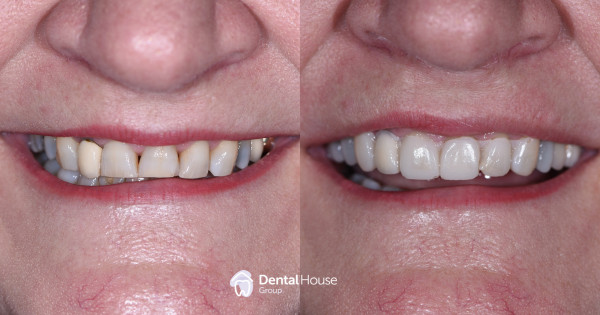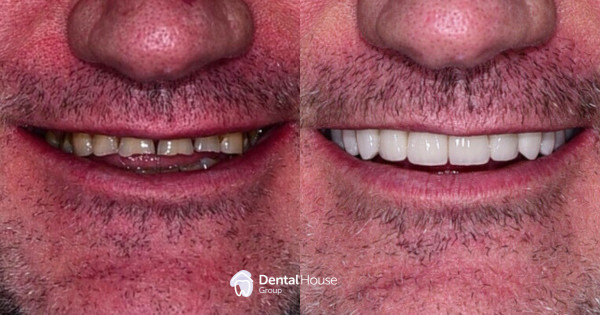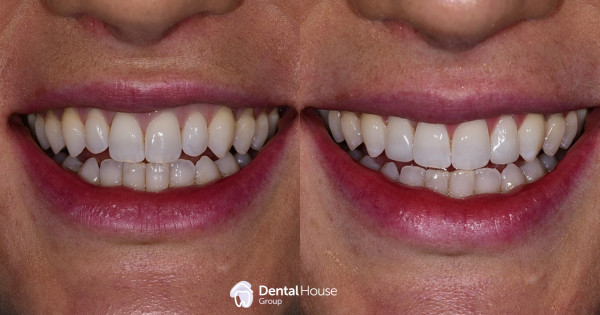
Invisalign & Composite Veneers Clinical Case in Bacchus MarshRead more

Often yes, but it depends on how many healthy teeth are available to anchor the device and how stable your existing work is. Dr Terence Cheong will assess this at your consultation and tell you honestly if an appliance is not the right fit for your mouth.
Most appliances last around three to five years with daily wear. Heavy grinders wear through them faster. We check yours at your regular dental visits and let you know when it is losing fit or thinning, rather than waiting for it to break.
Fees depend on which device is right for you, so we quote you in writing after your consultation, before anything is made. Many private health funds contribute under dental or appliance items, and some patients are eligible for support through their sleep physician’s referral pathway. You can also download our price list, and we offer payment plan options at Bacchus Marsh Dental House.
It should not hurt. It feels bulky at first, and some people notice jaw or tooth tenderness in the mornings for the first week or two. That usually settles as your muscles adapt. If it is still uncomfortable after that, come back in and we will adjust it rather than leaving you to push through.
CPAP is generally the most effective treatment for moderate to severe obstructive sleep apnoea when it is worn every night. The Australasian Sleep Association recognises oral appliance therapy for snoring and mild to moderate sleep apnoea, and as an alternative for people who cannot tolerate CPAP. The catch with CPAP is that many people do not keep wearing it. A device you actually use every night can do more for you in practice, and your sleep physician can confirm the result with follow up testing.
In almost all cases, yes. Obstructive sleep apnoea is diagnosed by a doctor or sleep physician using a sleep study, and that result tells us how much jaw advancement you are likely to need. Bring a copy of your study to your consultation at our Gisborne Road practice. If you have not had one yet, we will still see you, assess whether your mouth suits an appliance, and help you raise it with your GP. If your only concern is snoring with no sleep apnoea, an appliance may still be an option after assessment.
That depends on your diet, oral hygiene habits, and the cause of the original discolouration. Results fade gradually over time, but regular professional cleaning and periodic touch-up treatments can help maintain the outcome.
Professional whitening uses a higher-concentration gel applied under clinical supervision, which produces a more consistent result than most at-home products. Your dentist will also confirm whether whitening is appropriate for your specific situation before starting.
Teeth can discolour for a range of reasons, including staining from food and drinks, natural changes in enamel over time, certain medications, and previous dental restorations. The cause can affect how well the teeth respond to whitening, so your dentist will assess this before treatment begins.
Porcelain veneers are made in a laboratory and bonded in a separate appointment, while composite veneers are applied directly by your dentist in a single visit. Porcelain is generally more resistant to staining over the long term. Your dentist will help you understand which option suits your situation best.
Composite fillings can absorb colour from food and drinks over the years, making them appear darker than the surrounding enamel. The surface can also develop wear over time that accelerates pigment build-up. When a filling becomes noticeably different in colour, it tends to draw attention rather than blend naturally with the tooth.
Yes. A porcelain veneer covers the front surface of the tooth including the damaged edge, restoring the appearance and providing a degree of protection for the remaining structure. For chips involving more significant damage deeper into the tooth, a crown may be more appropriate. Your dentist will assess which option is right for your situation.