
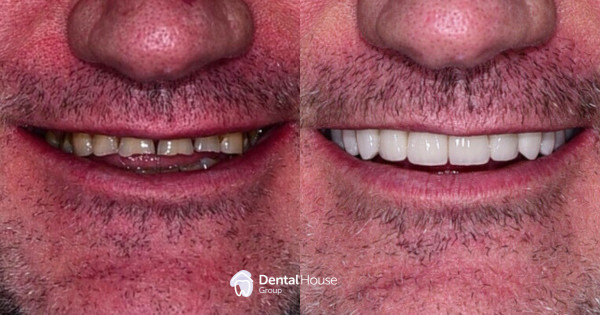
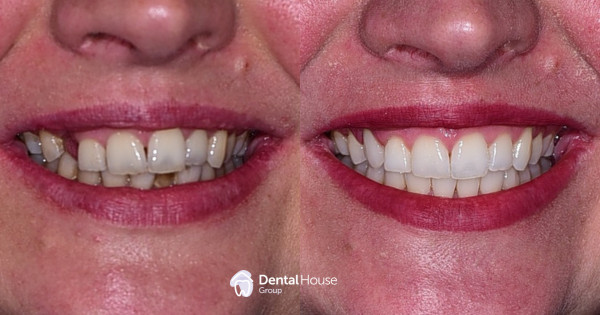
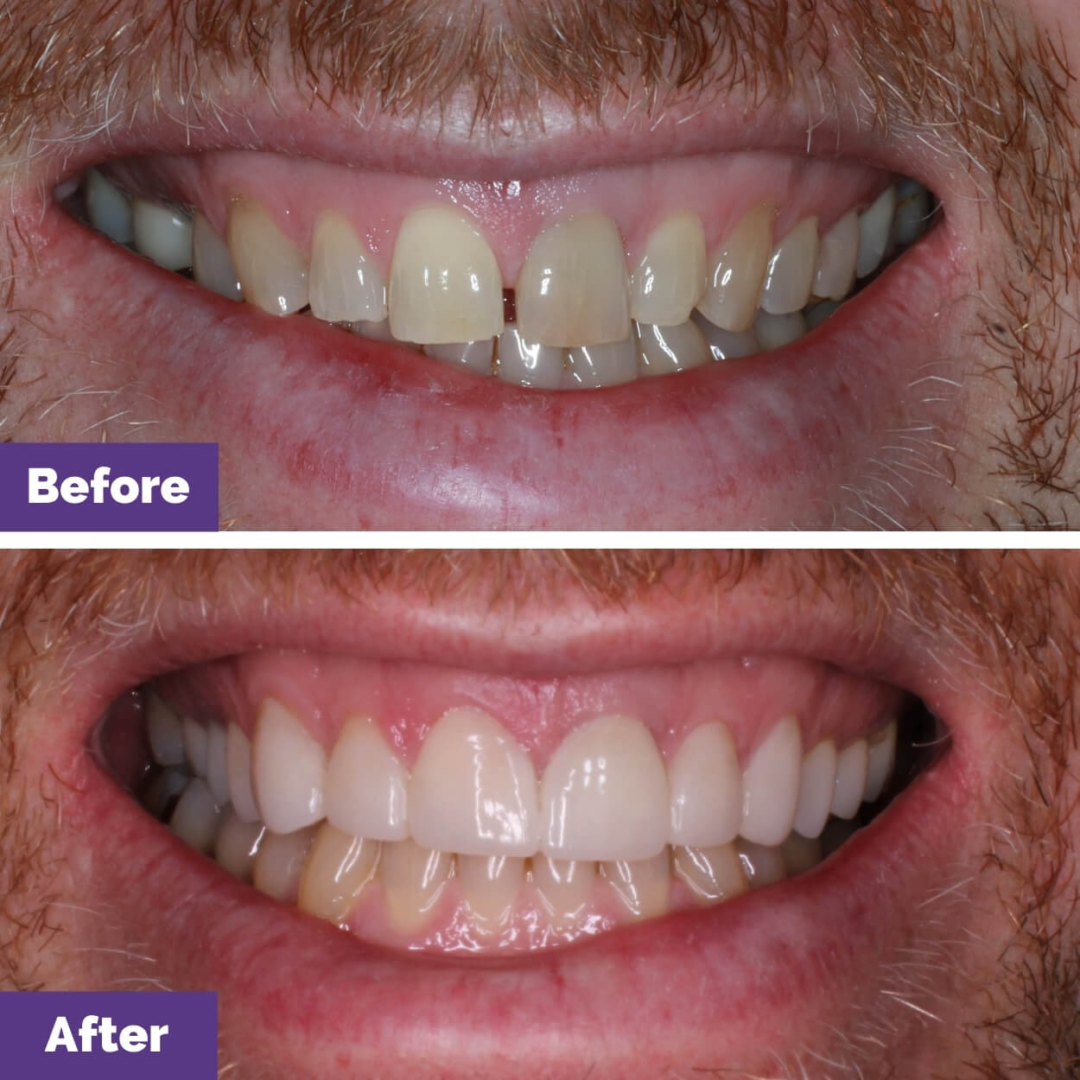
Can Replacing Old Crowns and Veneers Improve Gum Appearance in Sunbury?
Case Note ID: Dec-2024-CR-VN-REP
Location: Bacchus Marsh Dental House (serving Bacchus Marsh, Sunbury, Gisborne, Diggers Rest, and surrounding areas)
Primary Treatments: Replacement porcelain crowns and veneers
Supporting Technology: Digital shade analysis, laboratory-fabricated porcelain, gingival health assessment
Presenting Clinical Problem
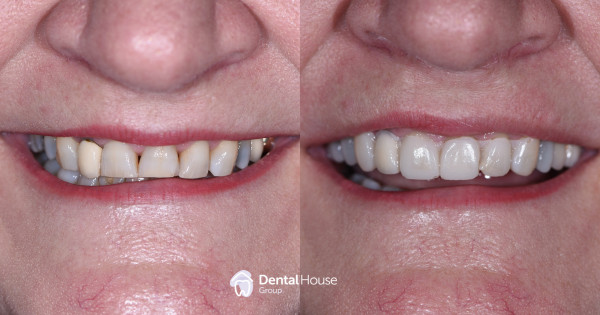
- Existing porcelain crowns showing age-related discolouration
- Gingival darkening (grey shadowing) adjacent to old crown margins
- Potential marginal breakdown compromising crown integrity
- Patient seeking aesthetic improvement through restoration replacement
- Primary objective: Replace failing restorations whilst improving gingival aesthetics
Treatment Plan & Clinical Process
Phase 1: Assessment and Restoration Evaluation
- Comprehensive examination of existing crowns and veneers
- Radiographic evaluation to assess tooth structure beneath restorations
- Evaluation of gingival health and dark tissue pigmentation causes
- Discussion of material options and aesthetic goals
- Treatment sequencing for multiple restoration replacement
Phase 2: Crown and Veneer Removal
- Careful removal of existing restorations to preserve underlying tooth structure
- Assessment of revealed tooth structure for additional decay or damage
- Evaluation of need for build-up materials or post placement
- Gingival tissue management if inflammation present
- Temporary restoration placement during fabrication period
Phase 3: New Restoration Placement
- Preparation refinement for optimal new restoration margins
- Shade selection coordinated across multiple restorations
- Trial fitting of laboratory-fabricated crowns and veneers
- Permanent cementation using appropriate protocols
- Post-placement monitoring of gingival response to new margins
Clinical Outcome
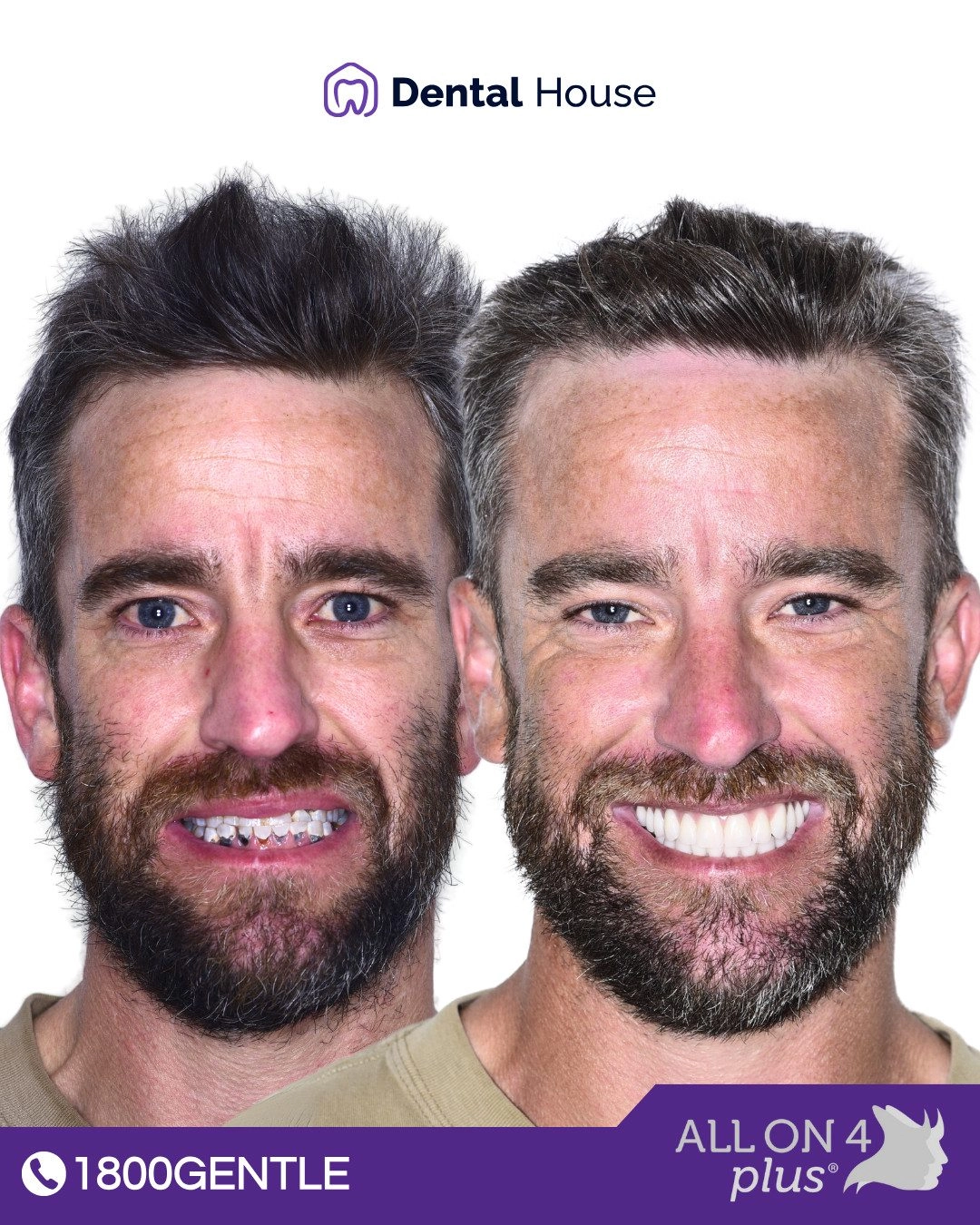
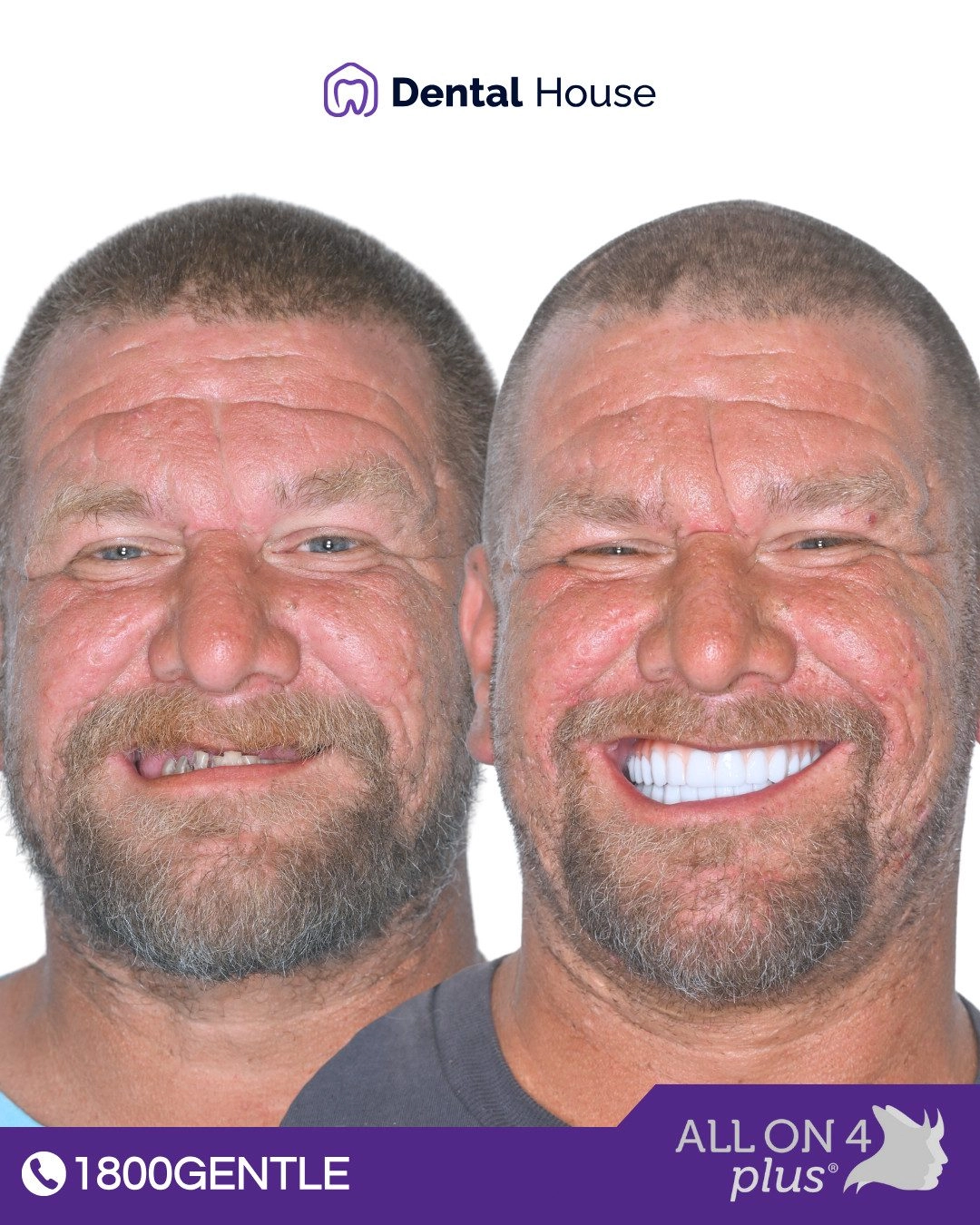
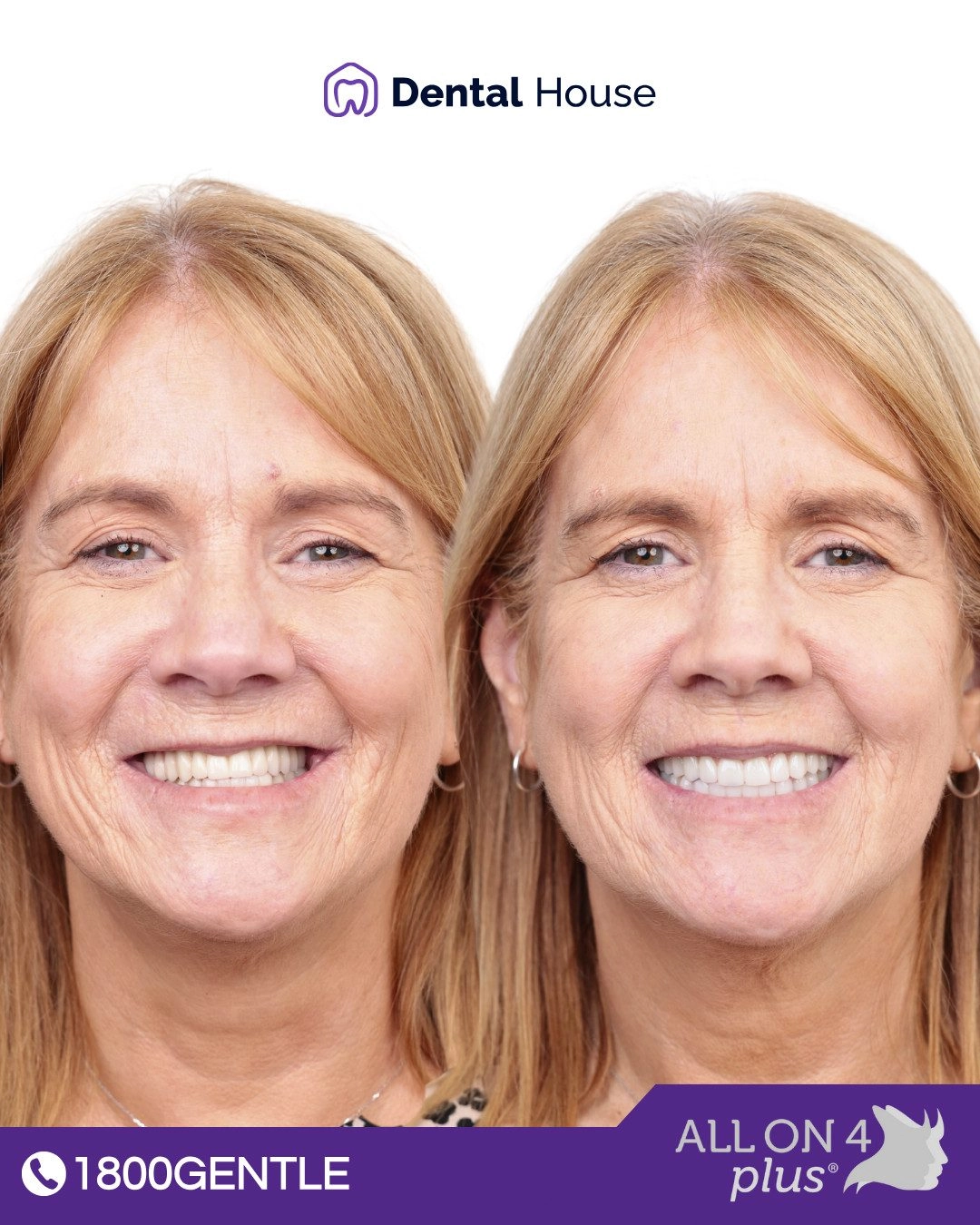
Existing discoloured crowns and veneers were replaced with new porcelain restorations featuring improved marginal design and modern materials. Gingival darkening associated with old crown margins typically improves gradually as tissues heal, though complete resolution depends on the cause and may take several months.
Individual responses vary. Outcomes cannot be guaranteed, depending on underlying tooth structure, gingival health and material properties. Gingival darkening may have multiple causes requiring different treatments. New restorations have similar longevity expectations (10-15 years) but will eventually require replacement again.
Frequently Asked Questions for Sunbury and Gisborne Patients
Why do gums look dark around old crowns?
Several factors cause gingival darkening. Metal substructures in older crowns can create grey shadowing visible through thin gum tissue. Corrosion products from certain metals can permanently stain tissue. Gingival recession exposes darker crown margins or metal. Replacing with modern all-ceramic crowns eliminates metal-related darkening, though tissue staining may be permanent.
How long do replacement crowns and veneers last?
Typical longevity ranges 10-15 years, similar to original restorations. However, factors affecting lifespan include oral hygiene, bite forces, grinding habits and material properties. Some replacements fail earlier due to fracture, debonding or recurrent decay. Each replacement removes additional tooth structure, eventually limiting future restoration options.
Is it necessary to replace old crowns that still function?
Not always. Functional crowns without decay, fracture or significant aesthetic concerns may be monitored rather than replaced. However, marginal breakdown, discolouration affecting appearance, gingival inflammation or underlying decay indicate replacement need. Preventive replacement before catastrophic failure better preserves remaining tooth structure.