

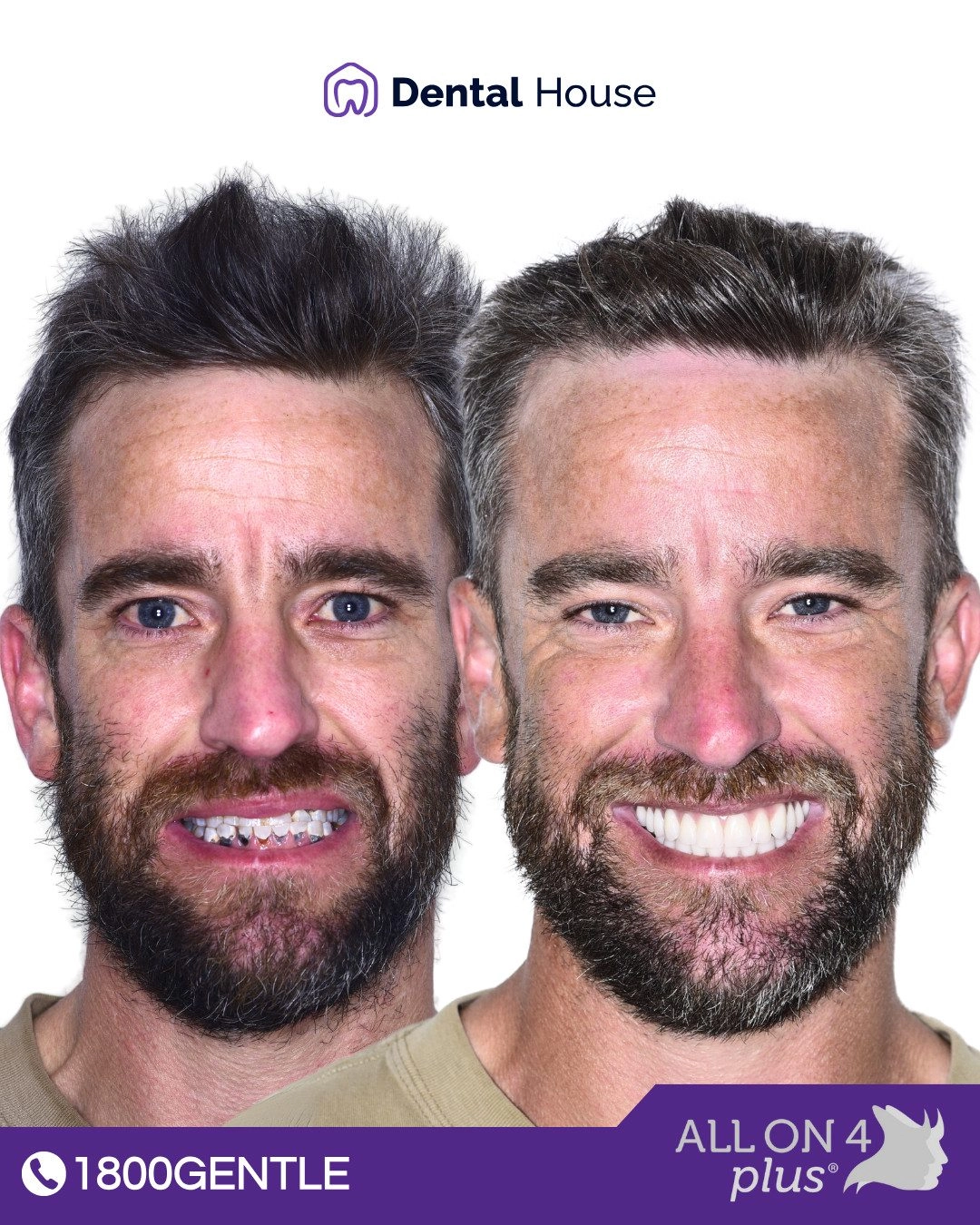
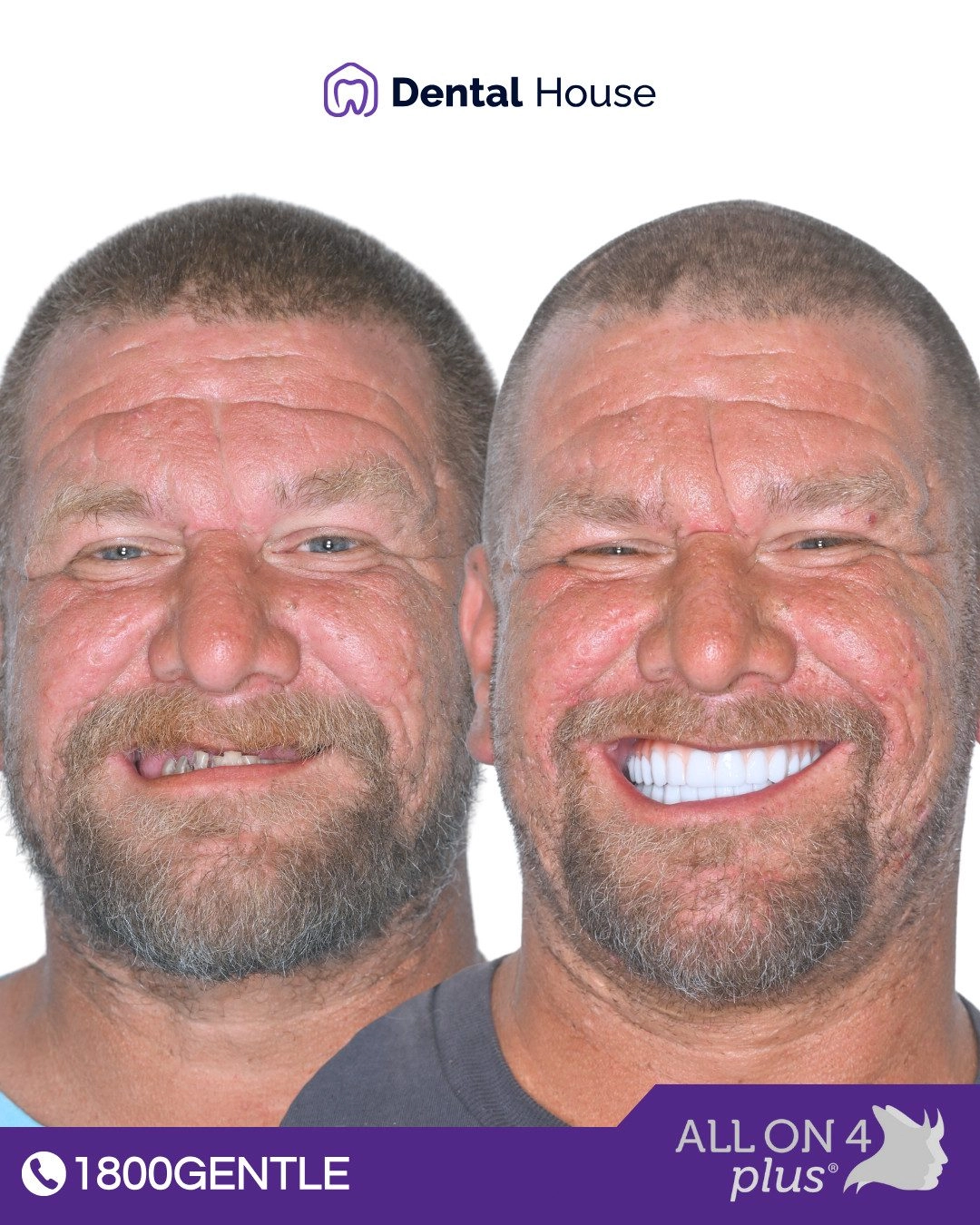
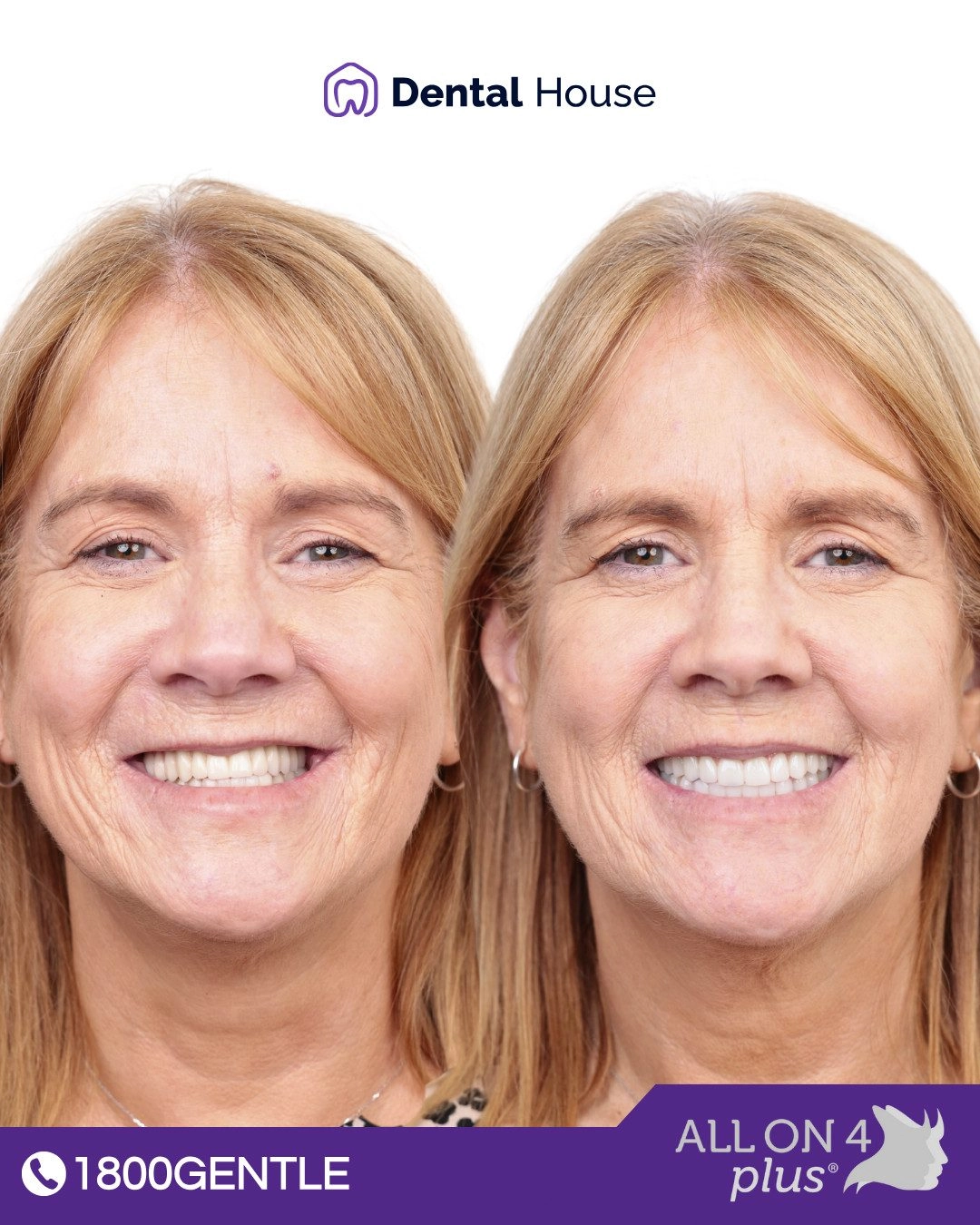

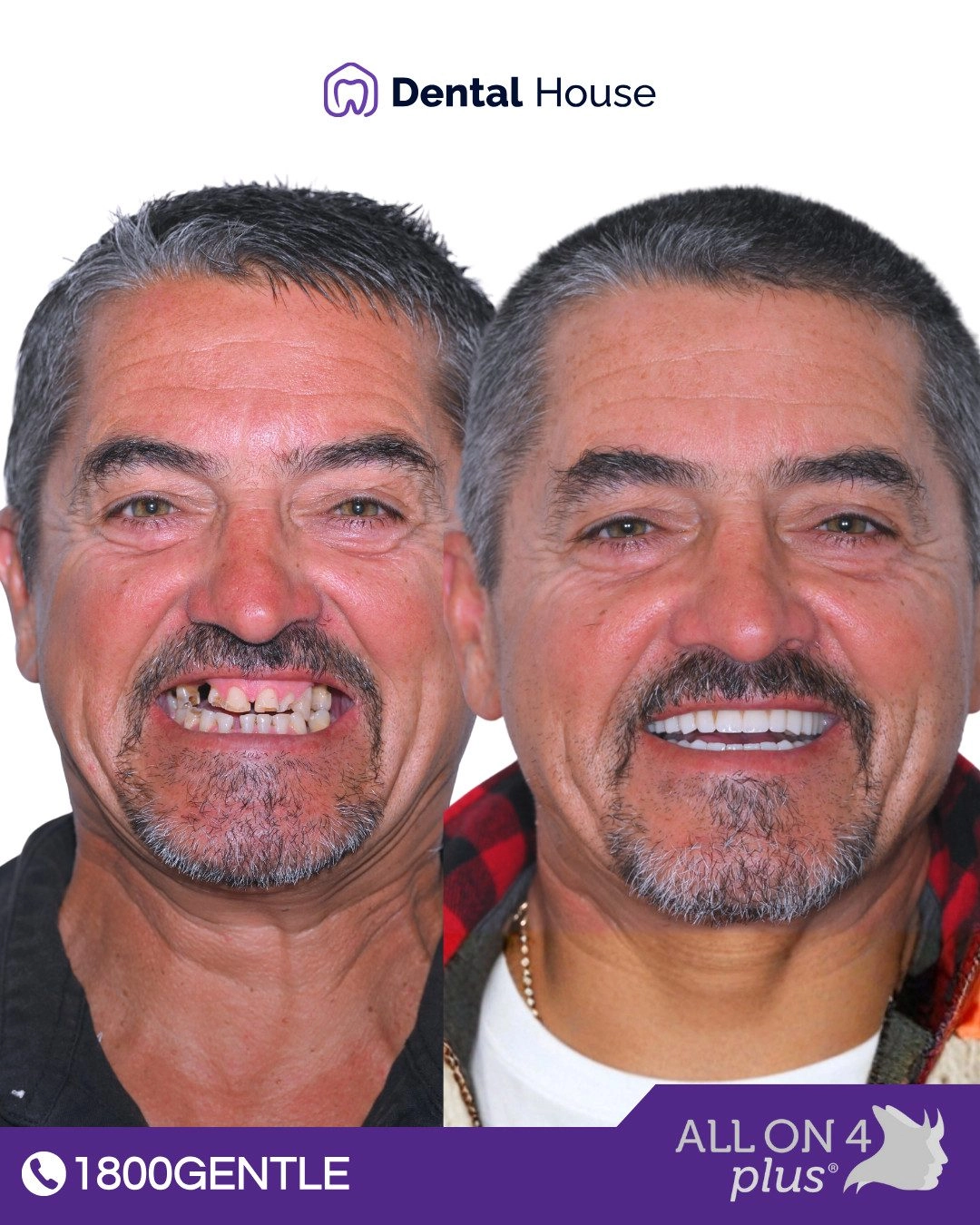
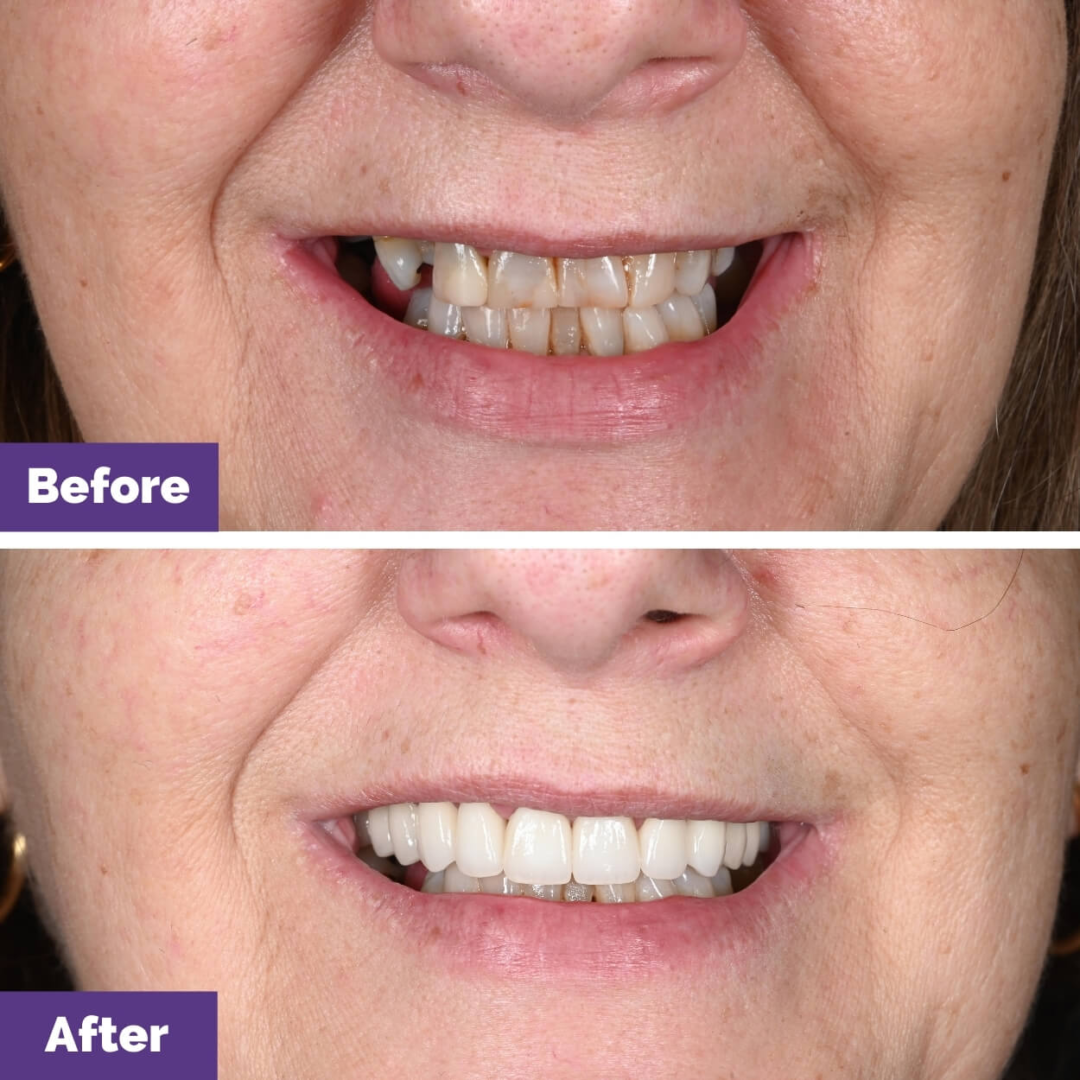
Can Porcelain Bridges and Veneers Replace Missing Front Teeth in Bacchus Marsh?
Case Note ID: Dec-2024-BR-VN
Location: Bacchus Marsh Dental House (serving Bacchus Marsh, Melton, Ballan and surrounding areas)
Primary Treatments: Porcelain bridge, porcelain veneers
Supporting Technology: Digital shade analysis, laboratory-fabricated porcelain, bridge design planning
Presenting Clinical Problem
- Missing anterior tooth creating visible gap affecting aesthetics
- Adjacent teeth suitable as bridge abutments but requiring aesthetic improvement
- Patient seeking fixed (non-removable) tooth replacement option
- Evaluation of implant alternatives versus traditional bridge approach
- Primary objective: Replace missing tooth whilst improving appearance of surrounding teeth
Treatment Plan & Clinical Process
Phase 1: Assessment and Treatment Planning
- Comprehensive examination of teeth adjacent to gap (potential bridge abutments)
- Radiographic evaluation of root structure and bone support
- Assessment of bite relationship and space available for replacement tooth
- Discussion of treatment options including implant versus bridge approaches
- Evaluation of which adjacent teeth require veneers for aesthetic coordination
Phase 2: Bridge and Veneer Preparation
- Preparation of abutment teeth (adjacent to gap) for bridge retainers
- More extensive preparation required for bridge retainers versus veneers
- Veneer preparation on additional teeth for aesthetic harmony
- Shade selection coordinated across bridge and veneers
- Temporary bridge and veneers during laboratory fabrication period
Phase 3: Final Bridge and Veneer Placement
- Trial fitting of laboratory-fabricated bridge and veneers
- Verification of pontic (replacement tooth) contours and contact with gum tissue
- Permanent cementation using appropriate protocols
- Occlusal adjustment ensuring proper bite distribution
- Instructions for cleaning under bridge pontic
Clinical Outcome
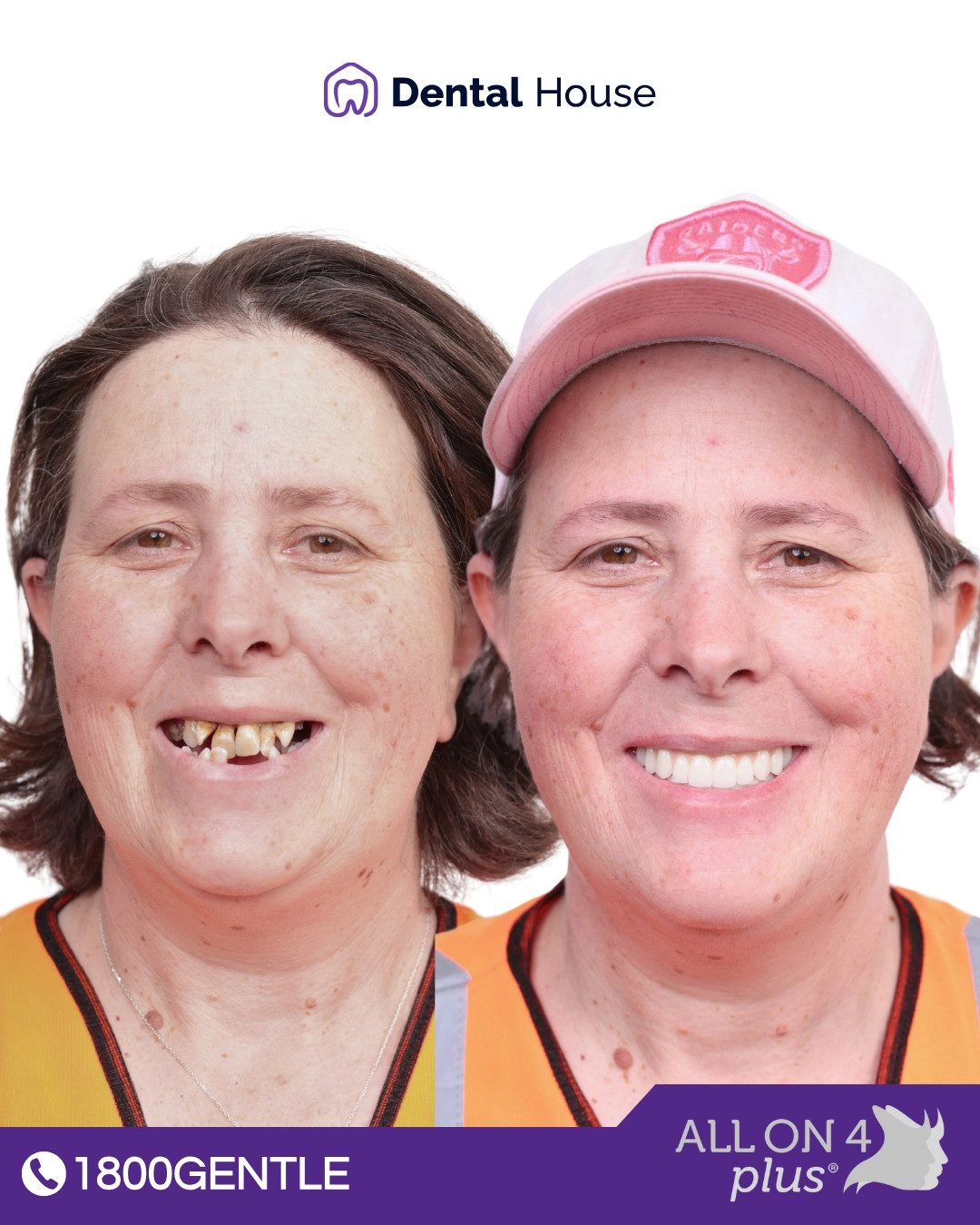
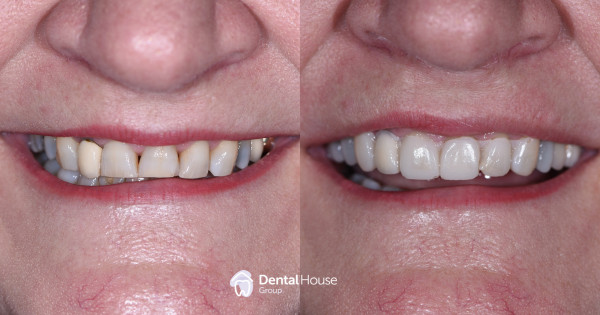
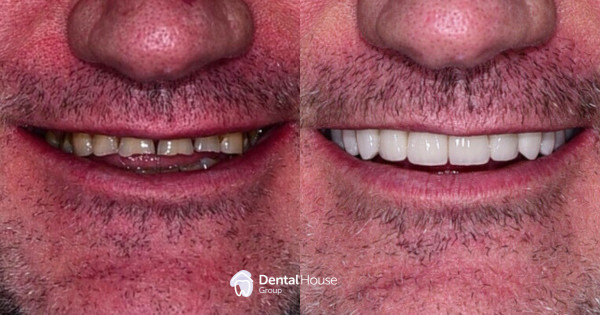
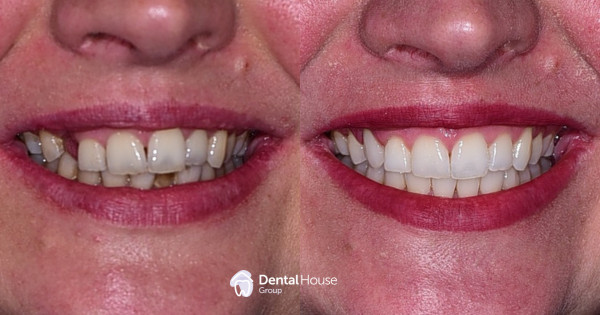
A porcelain bridge replaced the missing anterior tooth whilst coordinated veneers improved appearance of adjacent teeth. This fixed approach avoided removable prosthetics, though required preparation of healthy adjacent teeth to serve as bridge supports. Special cleaning techniques under the replacement tooth are required for long-term success.
Individual responses vary. Outcomes cannot be guaranteed, depending on abutment tooth health, oral hygiene and bite forces. Bridges require permanent alteration of adjacent teeth which remain at risk for decay or fracture. Bridge longevity typically ranges 10-15 years but cleaning difficulty increases cavity risk.
Frequently Asked Questions for Bacchus Marsh and Melton Patients
How does a dental bridge differ from an implant?
Bridges attach replacement tooth to adjacent natural teeth, requiring significant preparation of those supporting teeth. Implants replace individual teeth without affecting adjacent teeth but require adequate bone, surgical procedure and 4-6 month healing. Bridges complete faster (2-4 weeks) and cost less initially but require altering healthy teeth. Implants preserve adjacent teeth but involve surgery and extended timeline.
How do you clean under a dental bridge?
Special floss threaders or interdental brushes clean under the replacement tooth (pontic) where it contacts gum tissue. Regular floss cannot access this area. Food debris and plaque accumulate if cleaning is inadequate, increasing decay risk on supporting teeth. Daily cleaning under pontic is essential. Professional demonstrations of proper technique improve long-term success.
What are the risks of a dental bridge?
Supporting teeth (abutments) require significant reduction, permanently altering healthy tooth structure. Those teeth remain at elevated risk for decay, particularly at margins where bridge meets tooth. Root canal treatment may eventually become necessary in abutment teeth. Bridge failure typically requires replacement of entire restoration. Cleaning difficulty under pontic increases cavity and gum disease risk.