Huge Cavity? Here’s When Root Canal Treatment Can Still Work
Huge Cavity? Here’s When Root Canal Treatment Can Still Work
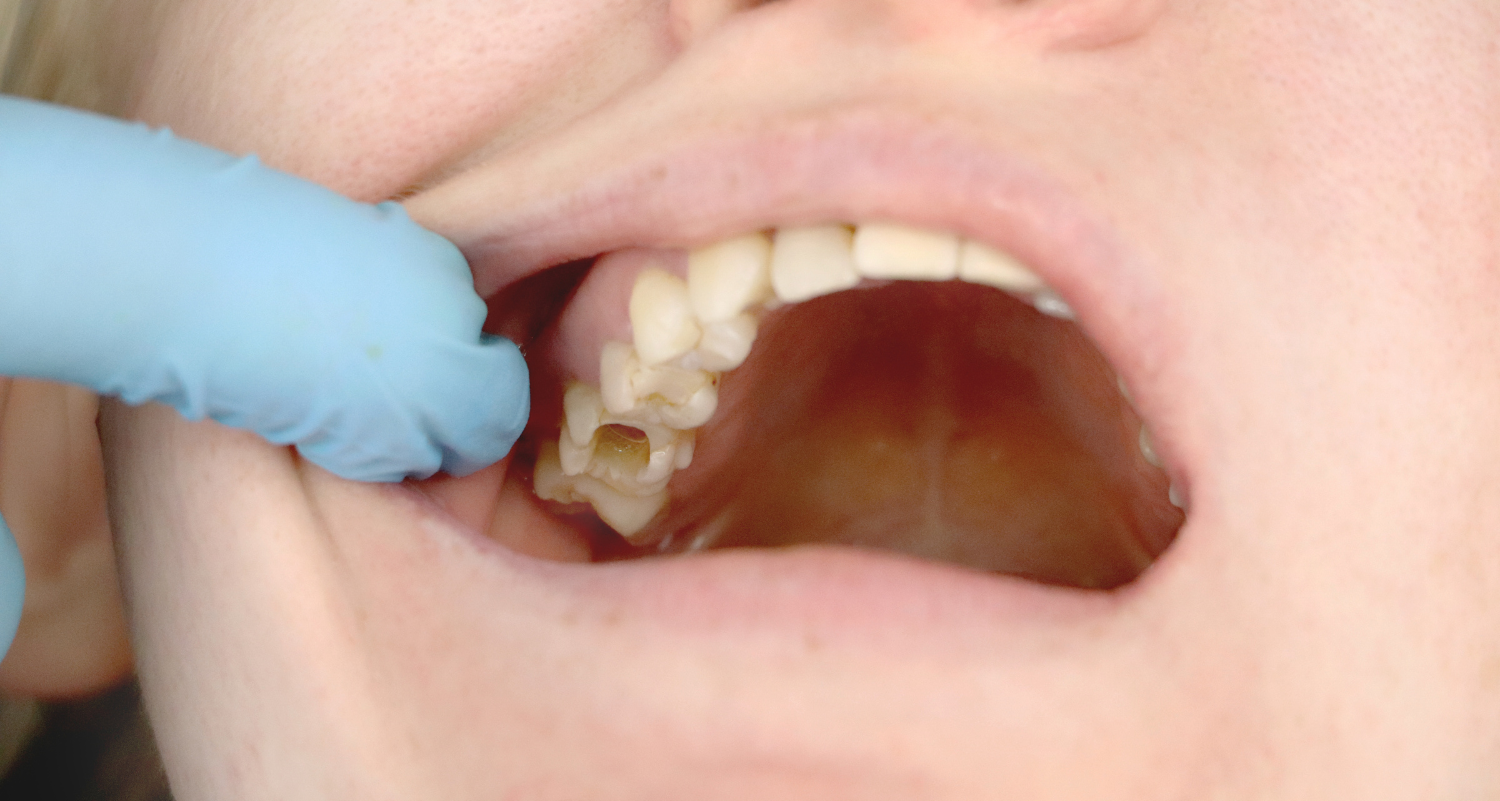
“Doctor, I’ve been putting off this toothache for months. Now there’s barely any tooth left – just tell me honestly, is it too late?” Rick from Ballan lifted his hand to his cheek as he spoke, clearly in significant discomfort. The large cavity in his back molar had grown so extensive that he was certain extraction was his only option.
Three months later, Rick was chewing steak on that same tooth, fitted with a beautiful crown over successful root canal treatment. His case perfectly illustrates something we see regularly at Bacchus Marsh Dental House: even teeth with very large cavities can often be saved with the right approach.
If you’re dealing with a severely decayed tooth, you might be surprised to learn that size doesn’t always determine whether a large cavity root canal treatment is possible. What matters more is where that cavity is located and how much healthy tooth structure remains.
What Actually Determines If Your Tooth Can Be Saved
When patients come to us with extensive decay, we’re not just looking at how big the cavity appears on the surface. We’re assessing several critical factors that determine whether root canal treatment makes sense.
The most important consideration isn’t the cavity’s size – it’s whether enough healthy tooth structure remains above the gum line to support a restoration afterwards. Think of it like renovating a house: you need enough of the original foundation and walls intact to build upon.
Where the Cavity Matters More Than How Big It Is
Location makes all the difference when we’re evaluating whether a large cavity root canal treatment is viable. A cavity that’s eaten away the entire top of your tooth might still be treatable if it hasn’t extended too far below the gum line or compromised the root structure.
We look for:
- Adequate tooth structure above the gum line for crown placement
- Healthy root structure without fractures
- Sufficient tooth wall thickness to support restoration
- No extensive decay below the bone level
When Large Cavity Root Canal Treatment Makes Sense
The ideal candidate for large cavity root canal treatment has extensive decay that’s reached the nerve but hasn’t completely destroyed the tooth’s structural integrity. These cases often present with severe pain, sensitivity, or swelling – clear signs that the nerve is infected but the tooth foundation remains salvageable.
Many patients are surprised to learn that even teeth with cavities that seem “too far gone” can often be successfully treated and restored to full function. What matters is:
- The tooth root system is healthy and intact
- Enough crown structure remains for restoration
- No vertical root fractures are present
- The decay hasn’t extended too far below the gum line
Why Root Canal Might Still Be Your Best Option
Even with a very large cavity, root canal treatment often represents the most conservative and cost-effective approach compared to extraction and replacement. Preserving your natural tooth means maintaining proper chewing function, preventing adjacent teeth from shifting, and avoiding the need for implants or bridges.
The Treatment Process: What Actually Happens
When you come to Bacchus Marsh Dental House with a large cavity, we start with a thorough examination and advanced 3D imaging. This gives us a complete picture of what we’re working with – not just what’s visible on the surface, but the condition of the roots, surrounding bone, and internal tooth structure.
The Multi-Step Approach
Large cavity root canal treatment often requires a staged approach:
First, we remove all infected and decayed tissue, which sometimes means removing quite a lot of tooth structure. Then we perform the root canal treatment itself, cleaning and sealing the root canal system. Next comes rebuilding the tooth structure using advanced bonding materials and possibly a post for additional support. Finally, we place a crown to protect and restore the tooth to full function.
The entire process might take several appointments, but the result is often a tooth that functions as well as your natural teeth did before the problems started.
When Large Cavities Can’t Be Saved
Not every large cavity can be successfully treated with root canal therapy. We have to be realistic about structural limitations and long-term prognosis.
Treatment usually isn’t recommended when:
- Decay extends too far below the gum line
- Vertical root fractures are present
- Less than 2mm of healthy tooth structure remains above the bone
- The root system is severely compromised
- Multiple roots are fractured or infected beyond repair
In these situations, extraction followed by implant placement or bridge work often provides a more predictable long-term outcome.
Why Waiting Makes Things Worse
Delaying treatment almost always makes the situation more complex and expensive. What might be a straightforward large cavity root canal today could become an extraction case in six months if the decay continues to spread. Early intervention, even with large cavities, usually offers more treatment choices and better outcomes.
Success Stories and Long-Term Outcomes
Modern root canal techniques, combined with advanced restorative materials, allow us to rebuild teeth that would have been extracted just a few years ago. Large cavity root canal treatments, when properly executed, have success rates similar to routine root canal procedures, typically around 85-95%. The tooth can last decades with proper care and maintenance.
The main difference is that extensively rebuilt teeth require excellent oral hygiene and regular dental check-ups to monitor the restoration and surrounding tissues.
Making the Right Decision for Your Situation
Large cavity root canal treatment does represent a significant financial commitment when you include the root canal, buildup, and crown. However, when you compare this to the cost of extraction followed by implant placement or bridge work, root canal treatment often represents excellent value.
Questions to Ask Yourself
Before deciding on treatment, consider:
- Are you committed to maintaining excellent oral hygiene?
- Can you attend regular maintenance appointments?
- Do you understand the multi-step process involved?
- Are you looking for the most conservative treatment option?
If you answered yes to these questions, large cavity root canal treatment might be perfect for your situation.
The Bottom Line
Having a very large cavity doesn’t automatically mean your tooth can’t be saved. What matters most is the location of the decay, the condition of the root system, and whether enough healthy tooth structure remains to support a restoration.
At Bacchus Marsh Dental House, we specialise in saving teeth that other practices might consider hopeless. The key is getting an honest evaluation before the situation becomes truly irreversible.
Don’t assume your large cavity means automatic tooth loss. Contact Bacchus Marsh Dental House today at 03 5315 2777 to schedule your comprehensive evaluation. We’ll give you straight answers about whether your tooth can be saved and what your treatment options really are.
Frequently Asked Questions
Q: How do I know if my cavity is too large for root canal treatment?
A: The only way to know for certain is through professional examination and X-rays. Generally, if there’s adequate healthy tooth structure above the gum line and the roots are intact, large cavity root canal treatment is often possible.
Q: Will a tooth with a large cavity be weaker after root canal treatment?
A: Initially, yes. Removing infected tissue does remove some tooth structure. However, with proper restoration including a crown, the treated tooth often becomes stronger than it was with the large cavity.
Q: How long does treatment take for a large cavity root canal?
A: Large cavity root canal cases typically require multiple appointments over several weeks. Total treatment time is usually 4-6 weeks, depending on healing and the complexity of restoration needed.
Note: All content and media on the Bacchus Marsh Dental House website and social media channels are created and published online for informational purposes only. It is not intended to be a substitute for professional medical advice and should not be relied on as health or personal advice.
Services we mentioned:

Related Articles

14 Reasons Your Tooth Hurts
From a cavity to infected gums to a sinus infection, a toothache can have a lot of causes. Here are the possible reasons and how to treat it!