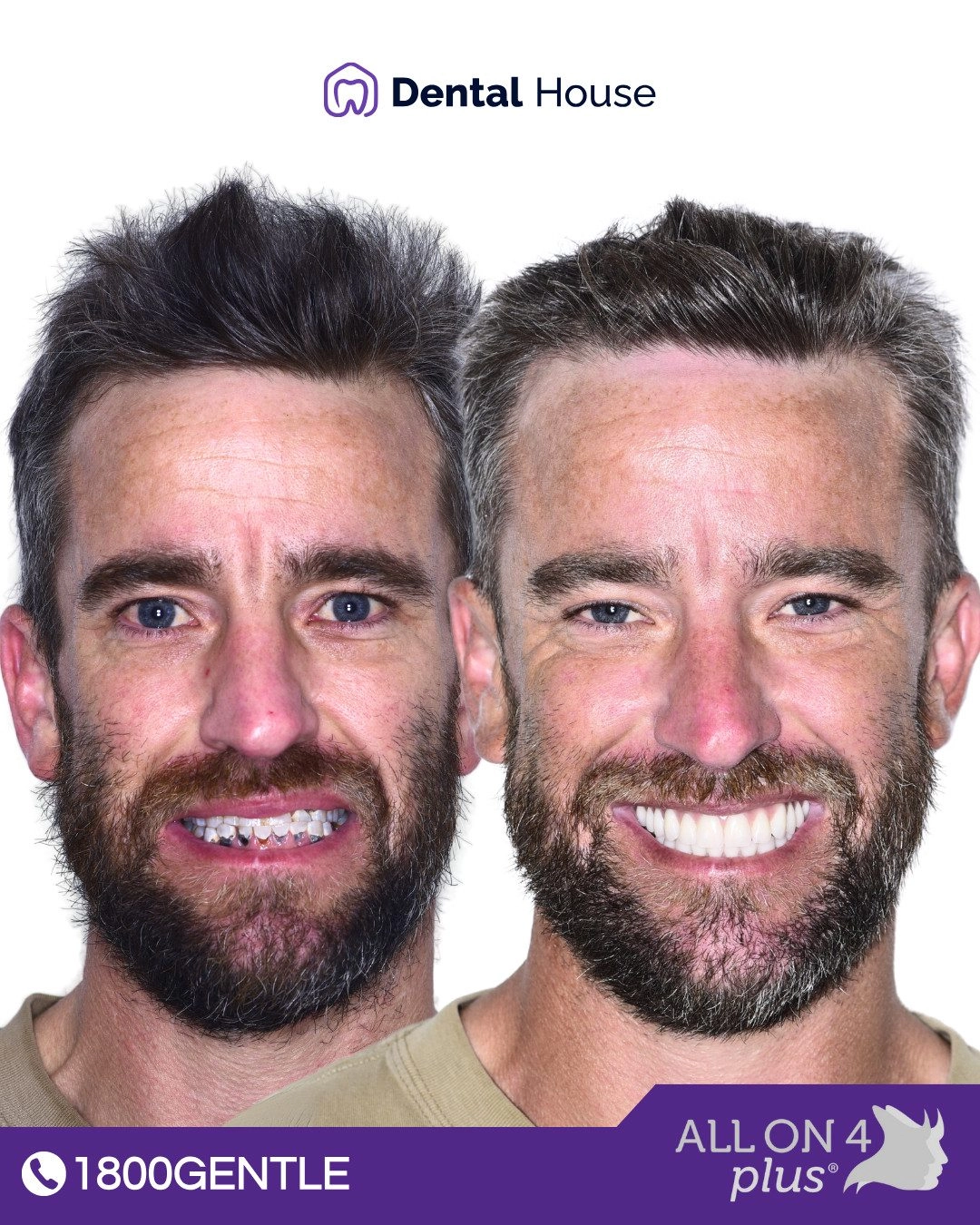
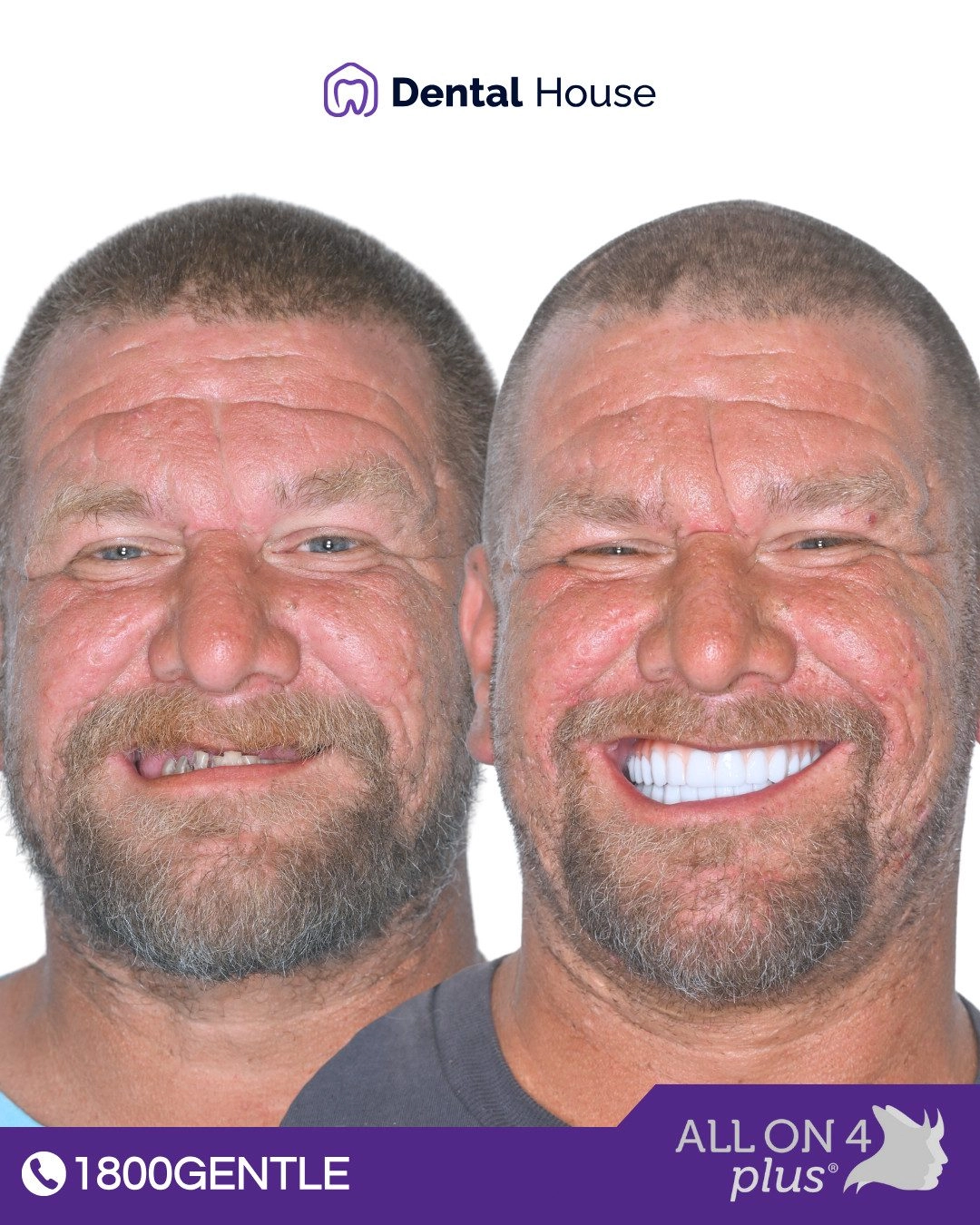
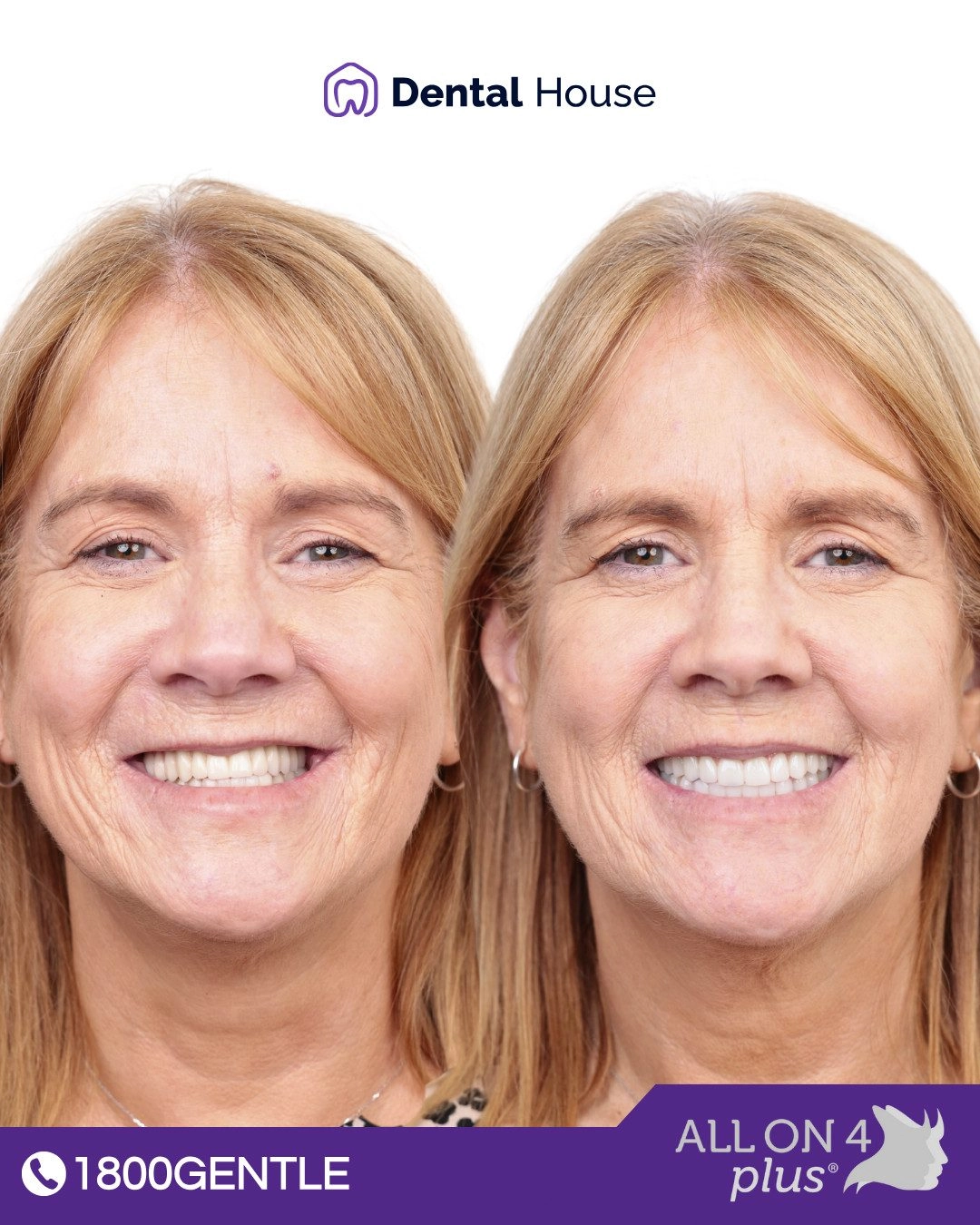
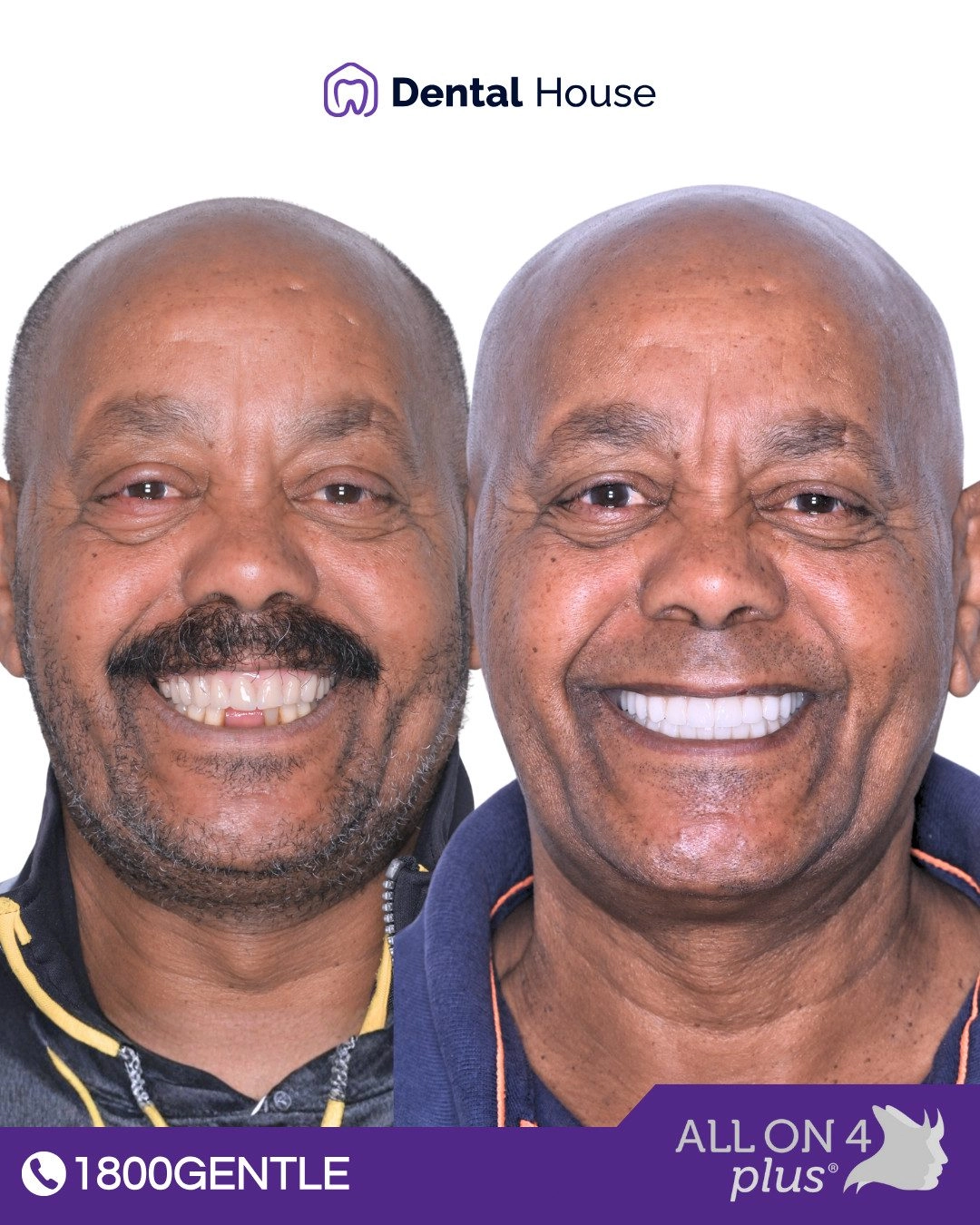
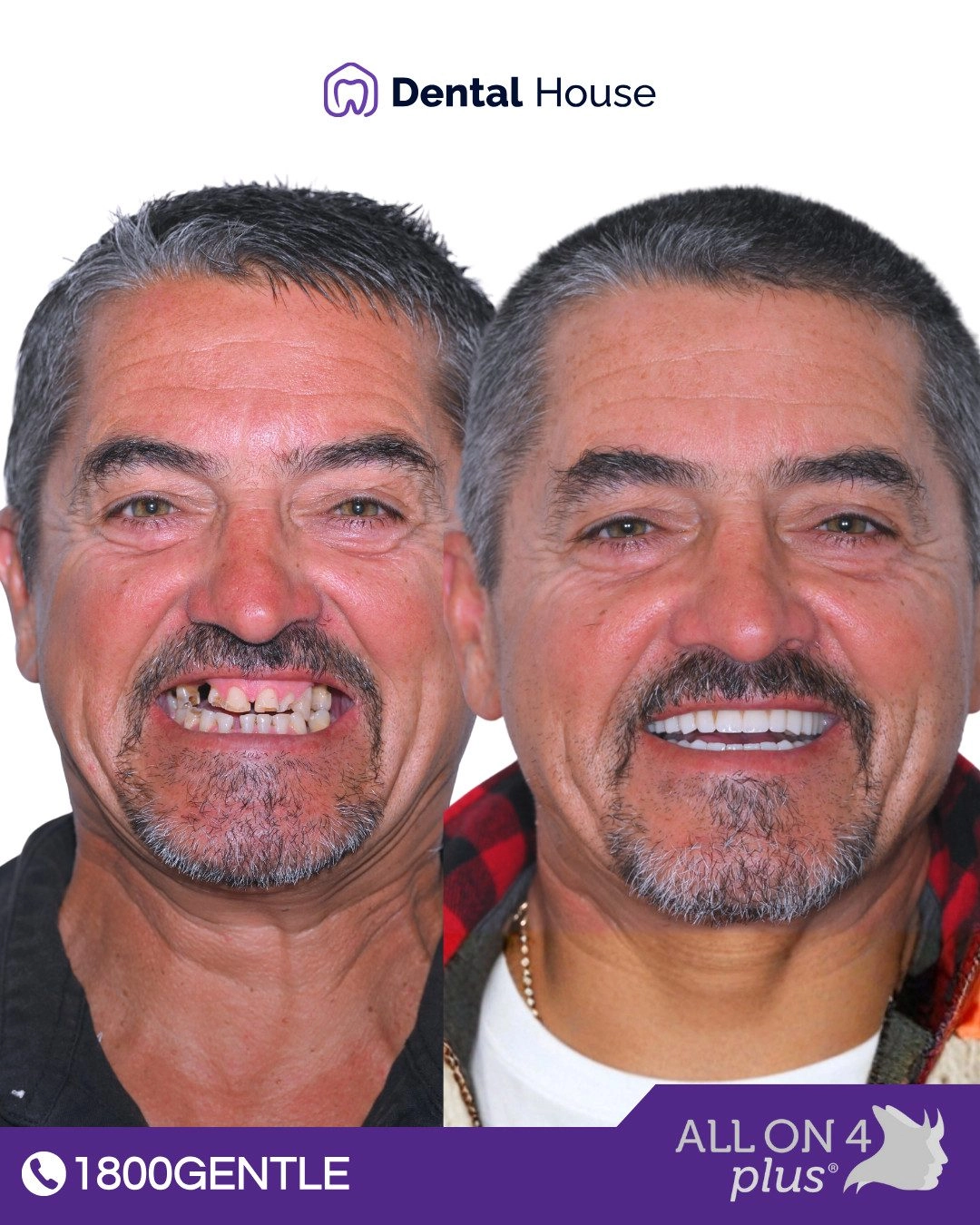
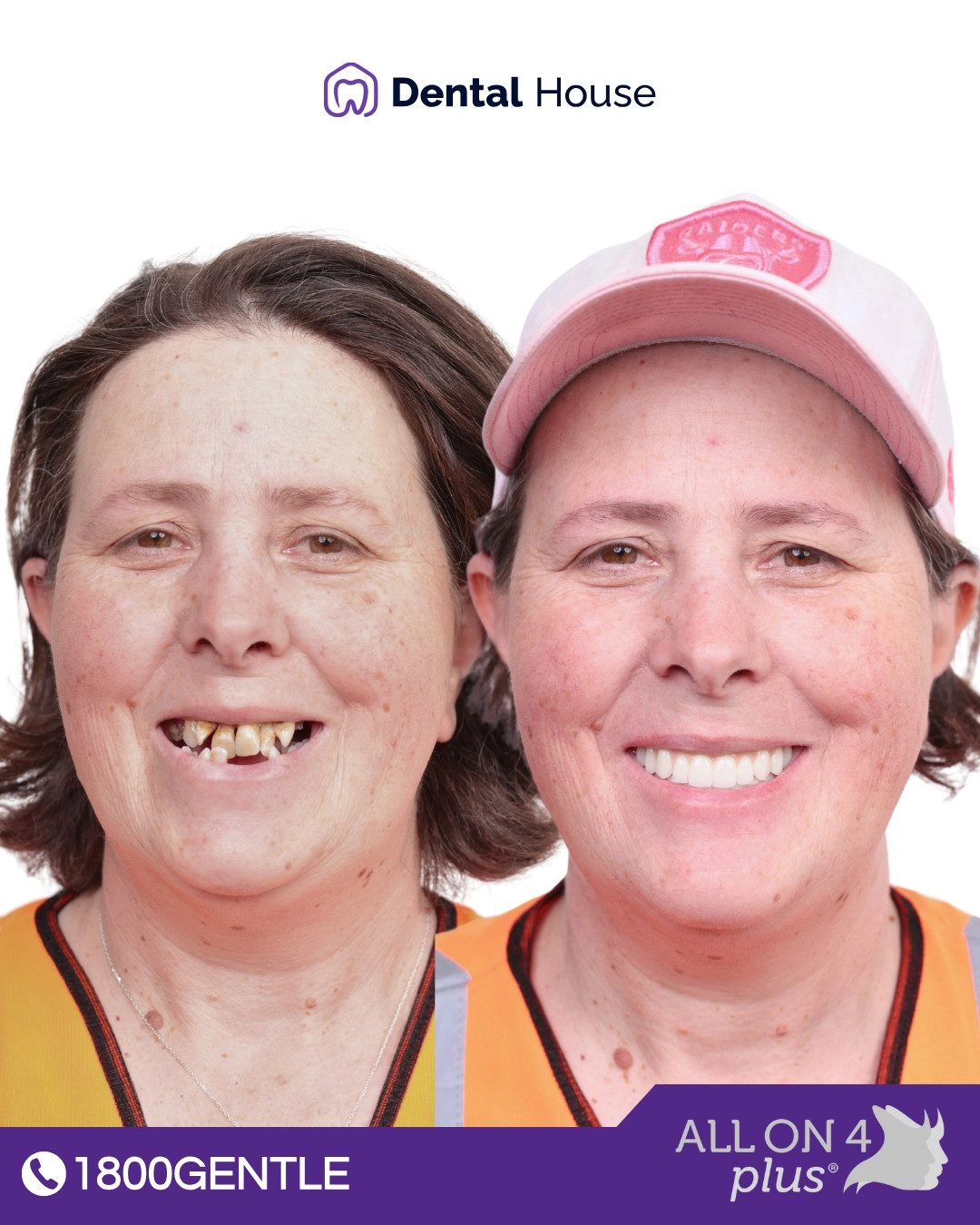
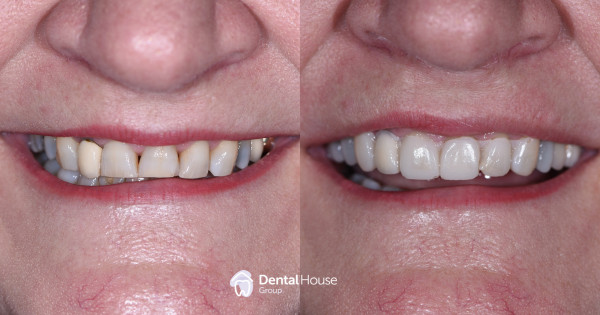
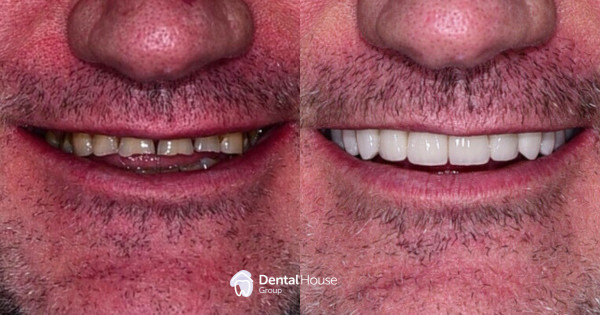
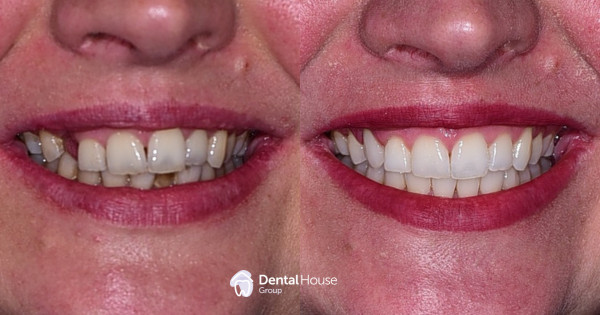
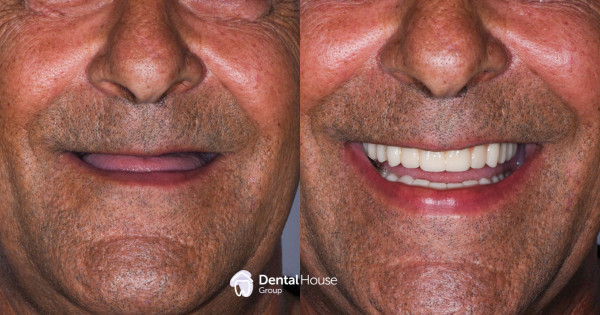
Are Implant-Supported Dentures Effective for Multiple Missing Teeth in Bacchus Marsh?
Case Note ID: Dec-2024-ISD
Location: Bacchus Marsh Dental House (serving the Bacchus Marsh, Melton, Moorabool and surrounding areas)
Primary Treatments: Full arch implant-supported dentures, multiple extractions
Supporting Technology: Dental implant systems, surgical planning, prosthetic frameworks
Presenting Clinical Problem
- Multiple unrestorable teeth with poor structural integrity
- Patient concerns regarding denture stability and retention
- Reduced chewing function affecting dietary choices
- Desire for fixed or semi-fixed tooth replacement option
- Primary objective: Remove unrestorable teeth and provide stable prosthetic rehabilitation
Treatment Plan & Clinical Process
Phase 1: Assessment and Surgical Planning
- Comprehensive examination including radiographic evaluation
- Assessment of bone quality and quantity for implant placement
- Discussion of treatment options including conventional dentures, implant-supported options
- Medical history review and surgical risk assessment
- Treatment sequencing and timeline discussion
Phase 2: Extractions and Implant Placement
- Removal of unrestorable teeth with appropriate socket management
- Healing period allowing for bone remodelling (typically 3-6 months)
- Surgical placement of six dental implants per arch following manufacturer protocols
- Healing abutment placement and soft tissue management
- Osseointegration period (typically 3-4 months)
Phase 3: Prosthetic Fabrication and Delivery
- Impression procedures for denture framework fabrication
- Trial fitting appointments for bite relationship and tooth position verification
- Delivery of implant-supported denture prosthesis
- Post-delivery adjustments and maintenance protocols
Clinical Outcome
The treatment involved removing non-viable teeth and placing six dental implants in each arch to support fixed denture prostheses. This approach provided improved retention and stability compared to conventional dentures, whilst allowing for removability to facilitate hygiene maintenance.
Individual responses to implant and extensive prosthetic treatment vary significantly. Treatment outcomes cannot be guaranteed, with success depending on numerous factors including bone quality, healing capacity, oral hygiene and systemic health. Dental implants can fail to integrate (5-10% failure rate), develop peri-implantitis or experience mechanical complications. Implant-supported dentures require regular professional maintenance, may fracture or require component replacement and involve ongoing costs.
Bone loss around implants can occur over time, potentially affecting prosthesis stability. The surgical process carries risks including infection, nerve damage, sinus complications and prolonged healing. Not all patients are suitable candidates for implant treatment due to medical, anatomical or financial considerations.
Frequently Asked Questions for Bacchus Marsh and Melton Patients
How do implant-supported dentures differ from conventional dentures?
Implant-supported dentures attach to surgically placed implants, providing superior retention and stability compared to conventional dentures that rely on suction and ridge anatomy. However, they require surgical procedures, have higher initial costs and need regular professional maintenance. Success depends on adequate bone volume and successful implant integration.
What is the recovery time for full arch implant treatment?
Total treatment time typically spans 6-12 months, including healing after extractions (3-6 months), implant integration period (3-4 months) and prosthetic fabrication. Individual healing rates vary considerably. Temporary prostheses may be provided during healing phases, though functionality is limited compared to final restorations.
What are the risks of dental implant treatment?
Risks include implant failure to integrate, infection, nerve damage causing numbness or altered sensation, sinus perforation (upper jaw), bone loss, prosthetic complications and the need for additional procedures. Medical conditions such as uncontrolled diabetes, smoking and certain medications can increase complication rates. Long-term maintenance and potential future costs should be considered.