
Case Note ID: Dec-2024-PC-RCT
Location: Sunbury Dental House (serving Sunbury, Gisborne, Riddells Creek and surrounding areas)
Primary Treatments: Porcelain crown on root-treated tooth
Supporting Technology: Custom laboratory-fabricated porcelain, characterisation matching, digital shade analysis
- Post-endodontic discolouration of anterior tooth affecting aesthetic appearance
- Intrinsic staining following root canal therapy (common occurrence in non-vital teeth)
- Visible colour discrepancy between treated tooth and adjacent natural teeth
- Structurally compromised tooth following endodontic access and preparation
- Primary objective: Restore tooth colour whilst providing structural protection for non-vital tooth
Phase 1: Assessment and Treatment Planning
- Evaluation of endodontic treatment success through radiographic examination
- Assessment of remaining tooth structure and suitability for crown restoration
- Discussion of treatment options including internal bleaching versus crown placement
- Shade analysis including characterisation matching (white spot replication)
- Consideration of post and core requirements for structural support
Phase 2: Crown Preparation
- Tooth preparation with appropriate geometry for anterior crown
- Assessment of need for post and core foundation (depends on remaining structure)
- Detailed shade communication to laboratory including characterisation requests
- Temporary crown placement during laboratory fabrication period
- Evaluation of temporary aesthetics and function
Phase 3: Crown Placement
- Trial fitting of laboratory-fabricated porcelain crown
- Verification of shade match and characterisation integration
- Permanent cementation using appropriate protocols
- Occlusal adjustment to ensure proper bite relationship
- Post-placement care instructions
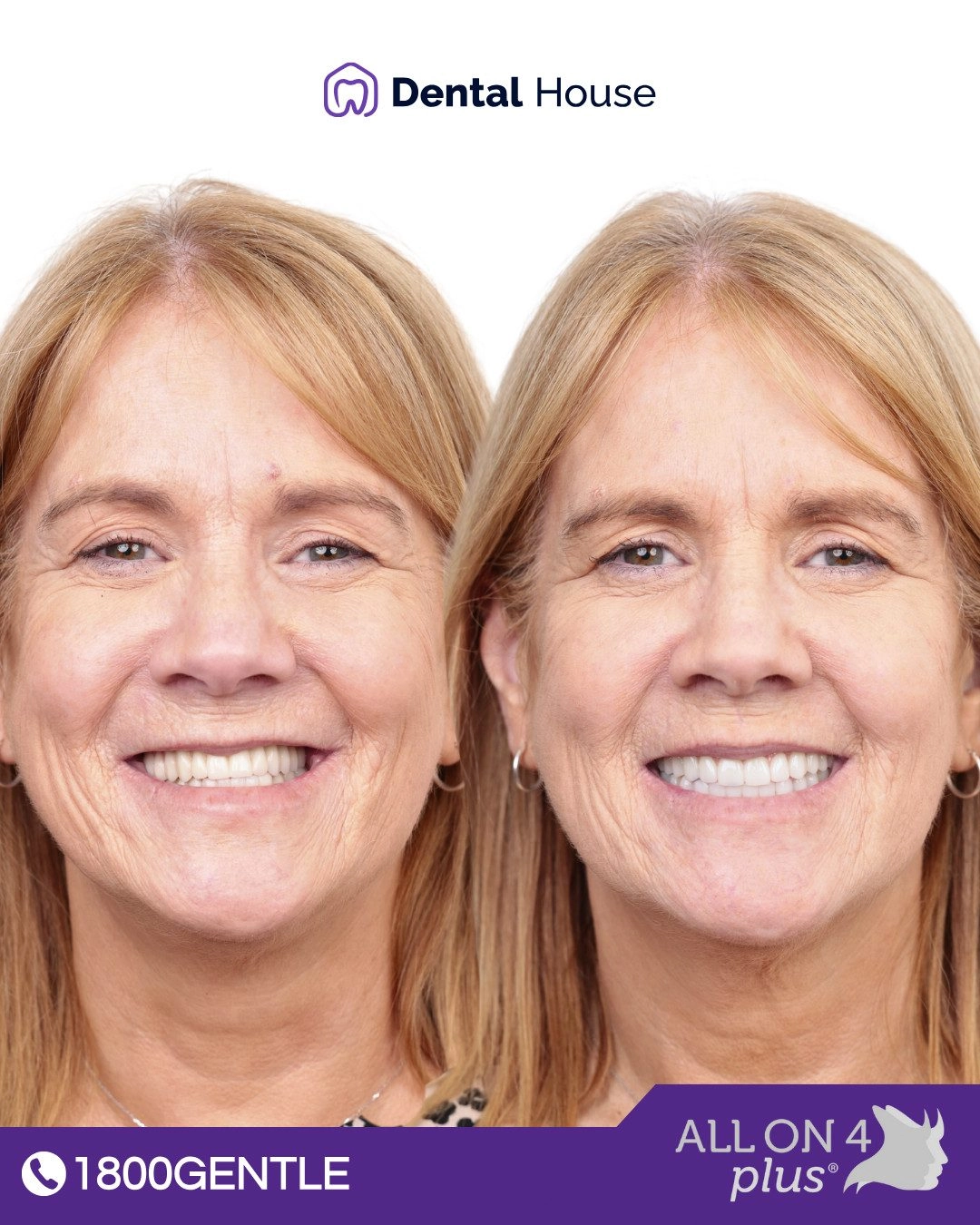
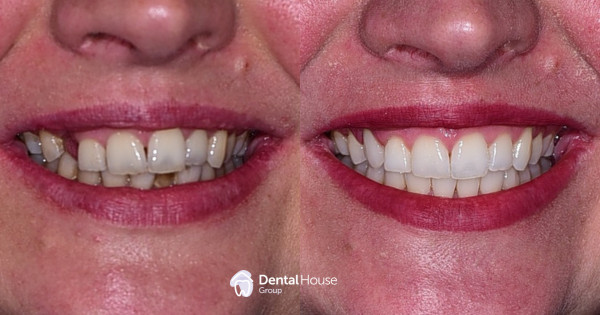
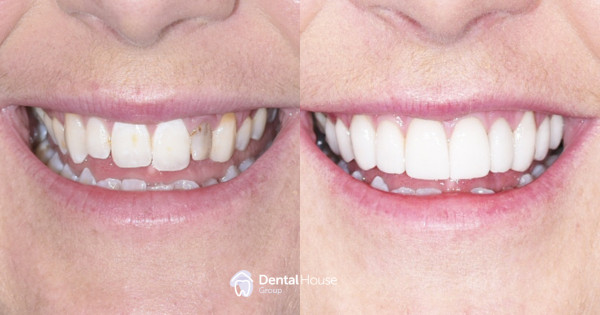
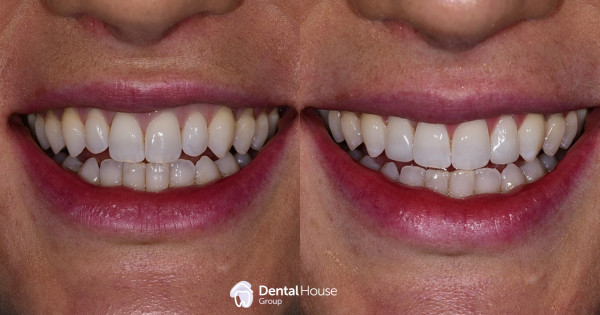
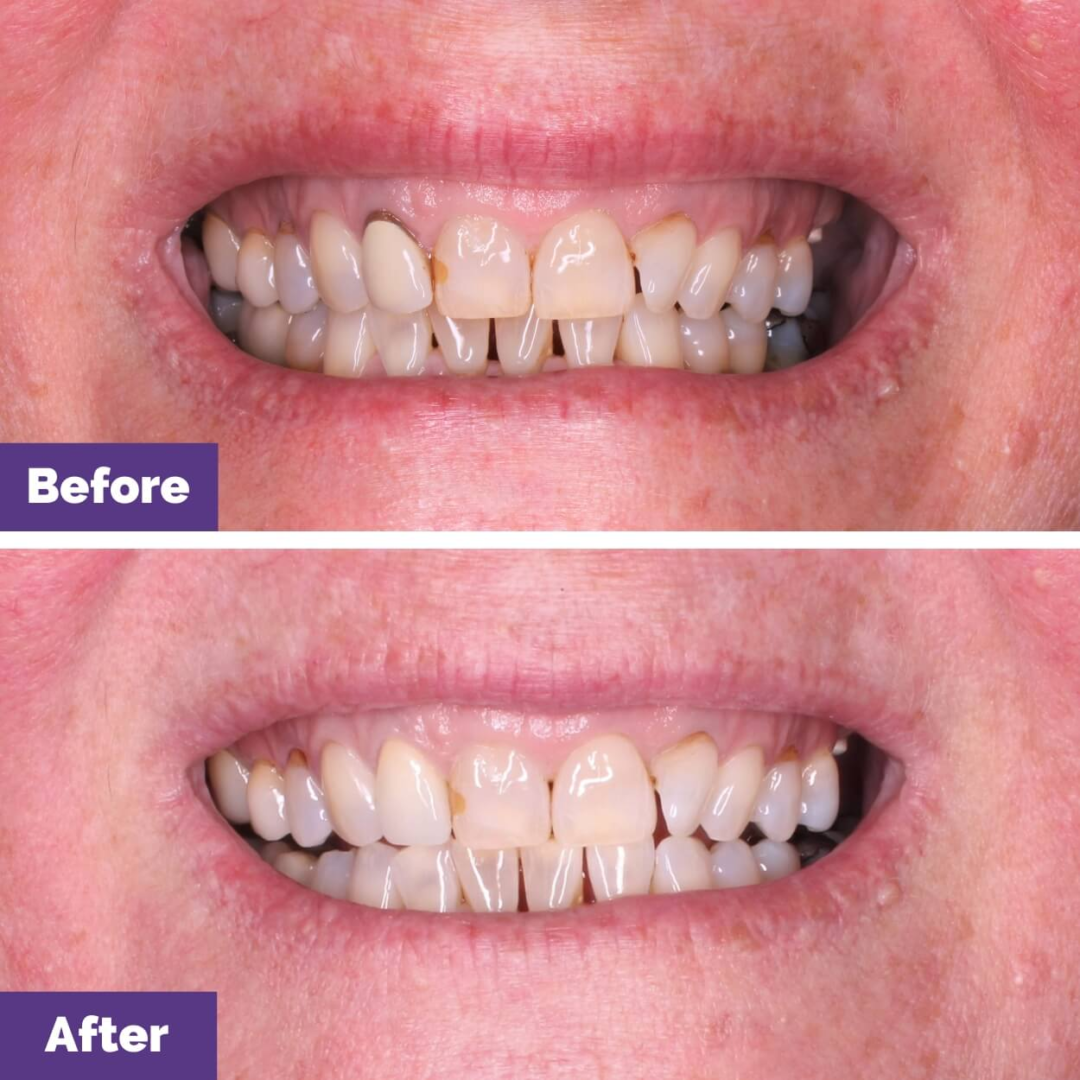
A custom porcelain crown was fabricated to address post-endodontic discolouration whilst providing structural protection for the non-vital tooth. Characterisation matching replicated white spot patterns from adjacent teeth to improve aesthetic integration, though perfect shade matching remains challenging due to optical differences between natural and ceramic materials.
Individual responses vary significantly. Treatment outcomes cannot be guaranteed, depending on remaining tooth structure and occlusal forces. Root-treated teeth have elevated fracture risk despite crown protection. Crowns may fracture, debond or develop marginal discrepancies over time.
Why do root-treated teeth become discoloured?
Root canal therapy removes the tooth’s blood supply and nerve tissue, which can leave residual pigments within the tooth structure. Blood products from trauma or treatment procedures can deposit in dentinal tubules, causing grey or yellowish-brown discolouration. This internal staining cannot be addressed by external whitening and typically worsens over time.
What are alternatives to crowning a discoloured root-treated tooth?
Internal bleaching involves placing whitening agents inside the tooth through the existing root canal access. Results are unpredictable, may require multiple treatments and don’t provide structural protection. Veneer placement is possible but offers less structural support than crowns. Some patients choose to accept the discolouration rather than pursue restorative treatment.
Do root-treated teeth always need crowns?
Not always. Crown necessity depends on remaining tooth structure, location (anterior versus posterior), bite forces and aesthetic concerns. Posterior teeth with extensive structure loss typically require crowns for fracture protection. Anterior teeth with adequate structure and acceptable colour may not need crowns, though they remain at elevated fracture risk.