

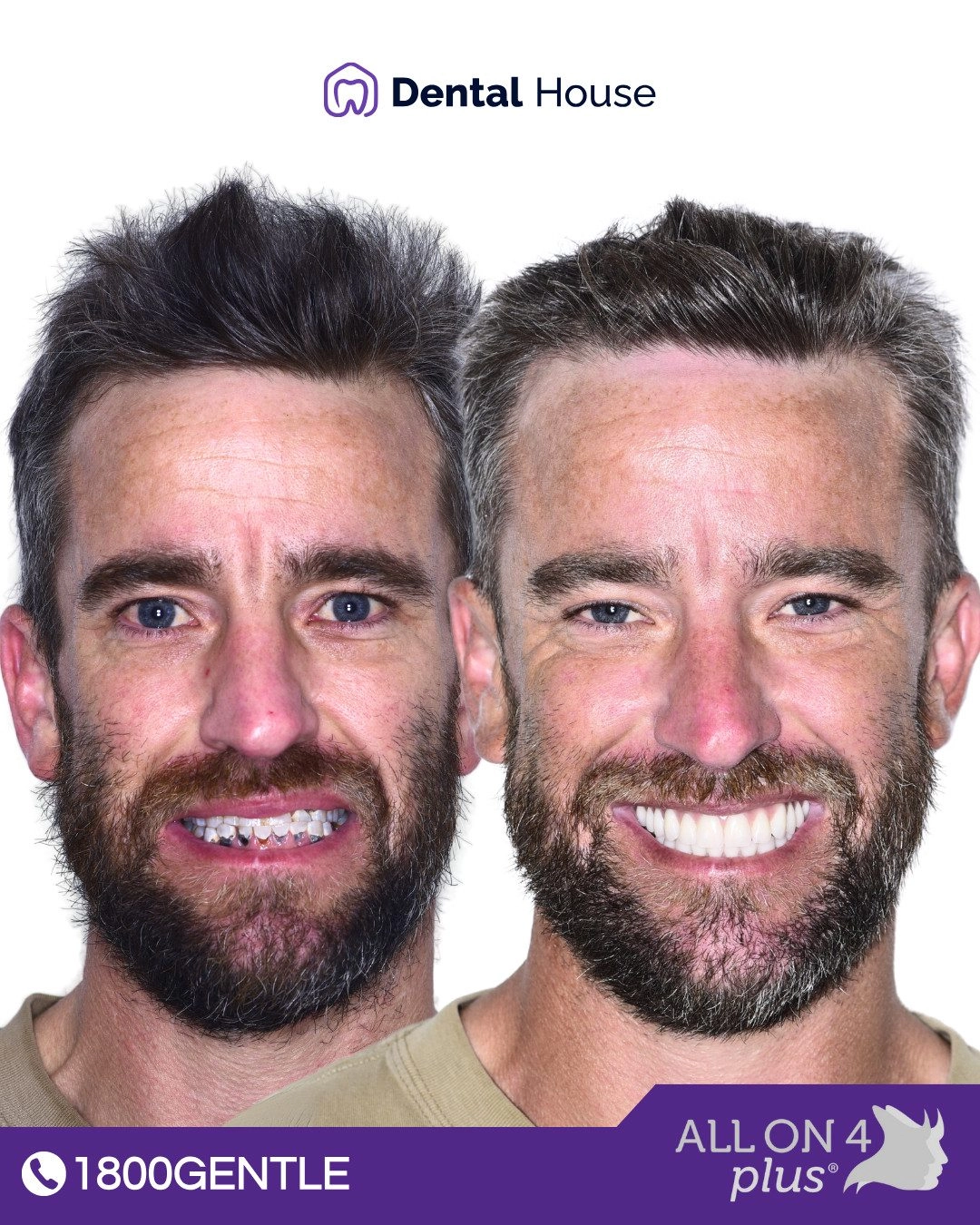
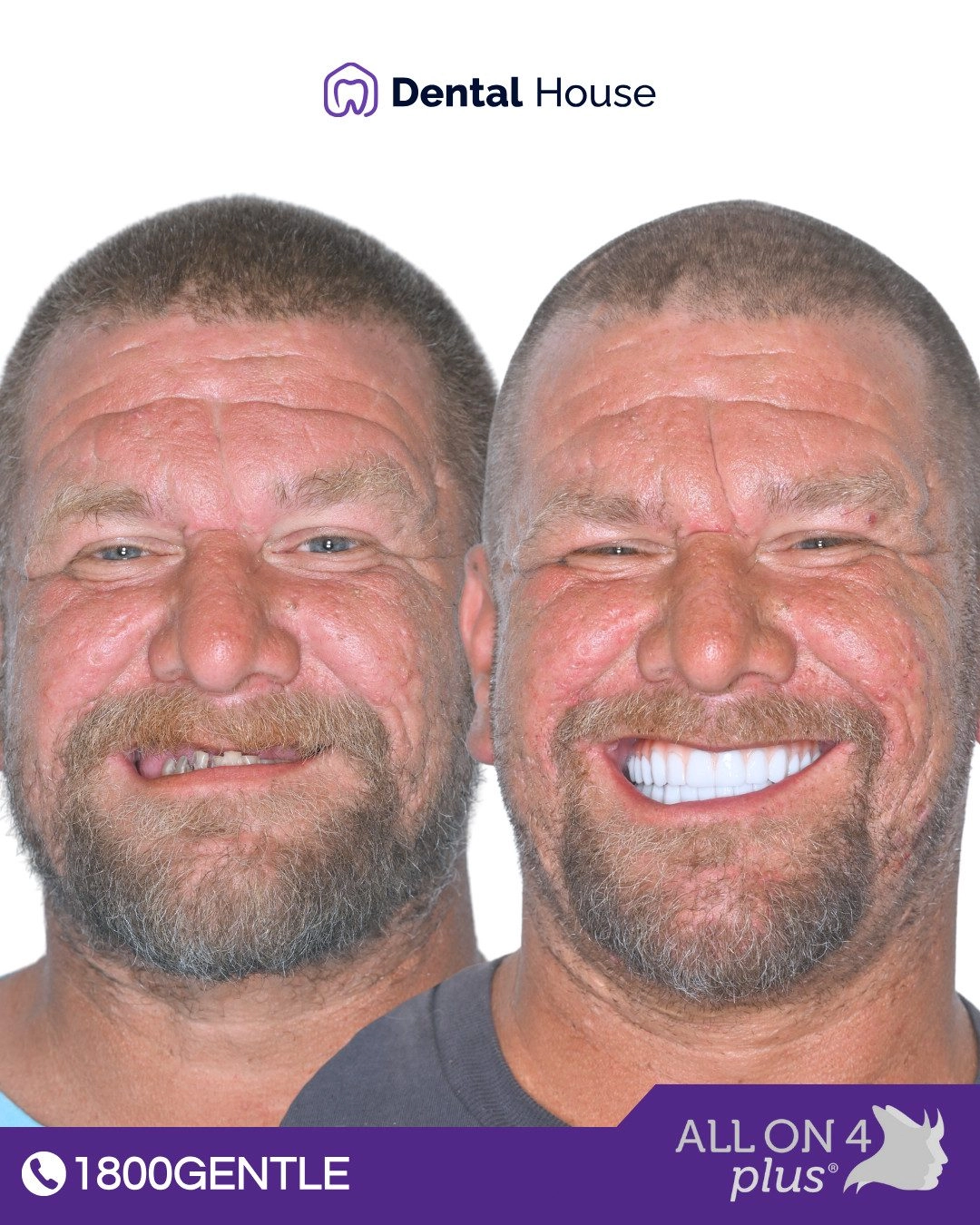
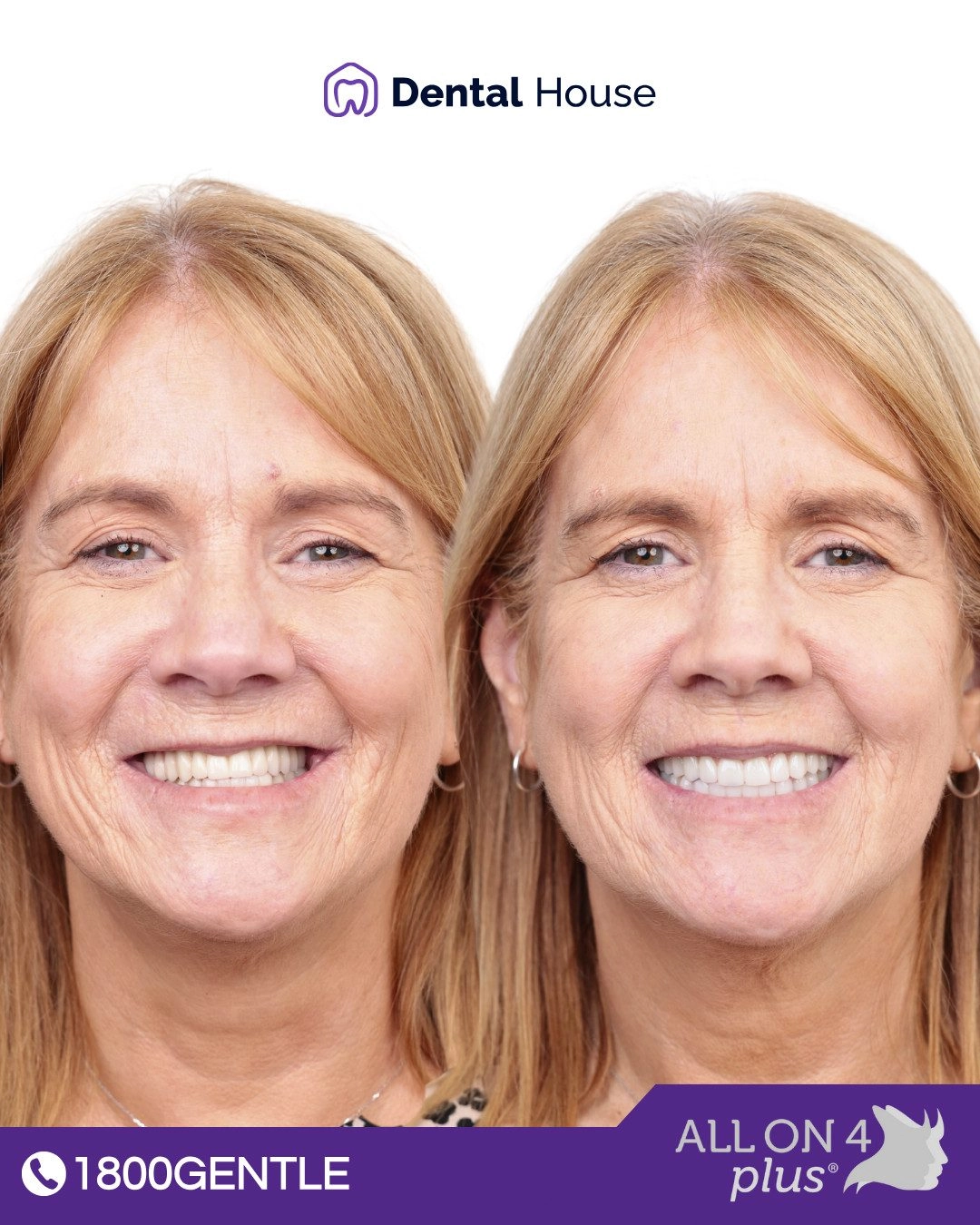
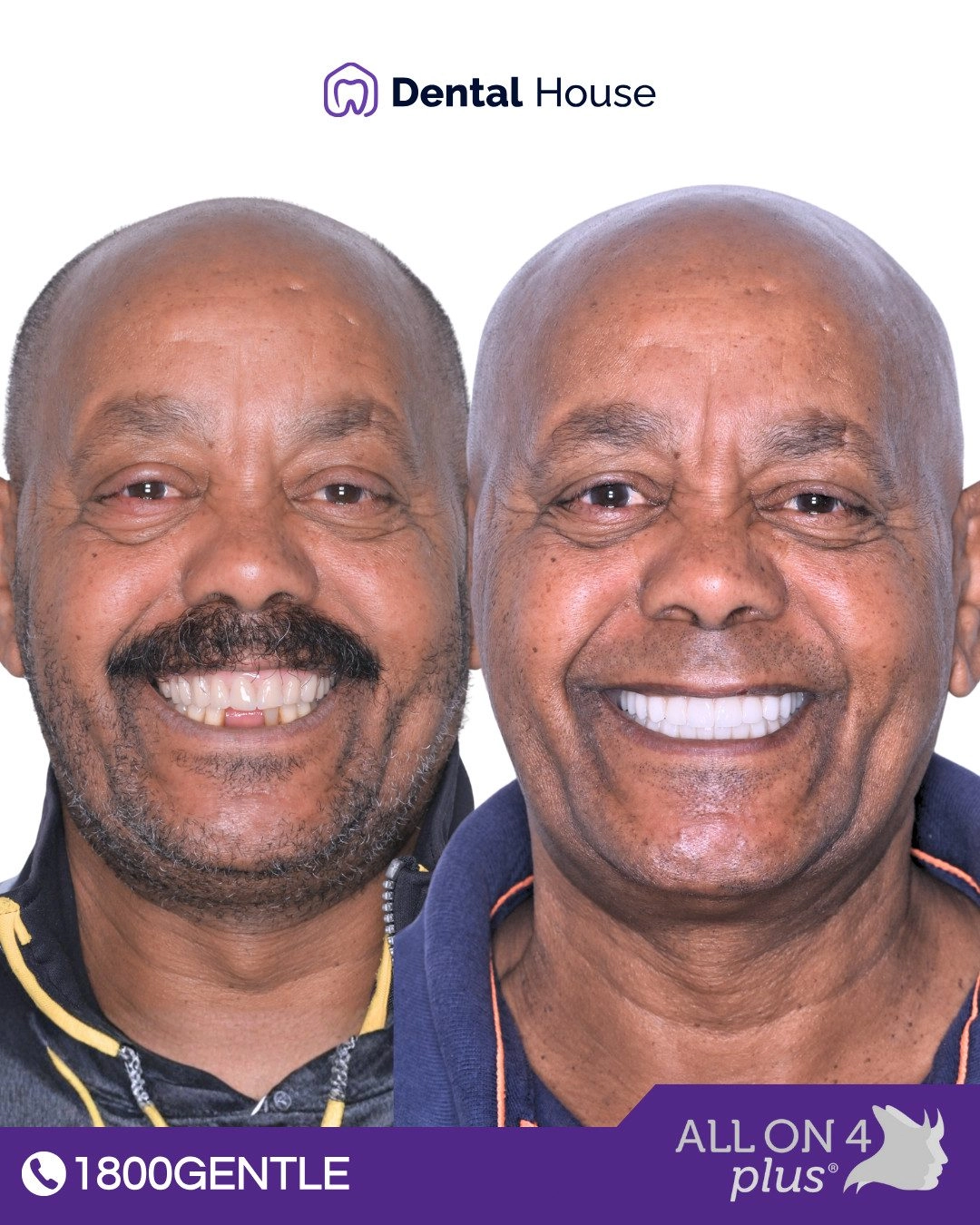
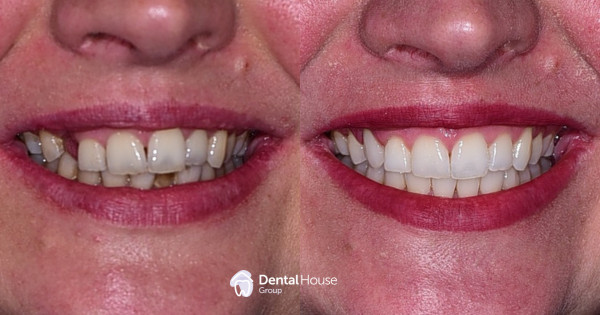
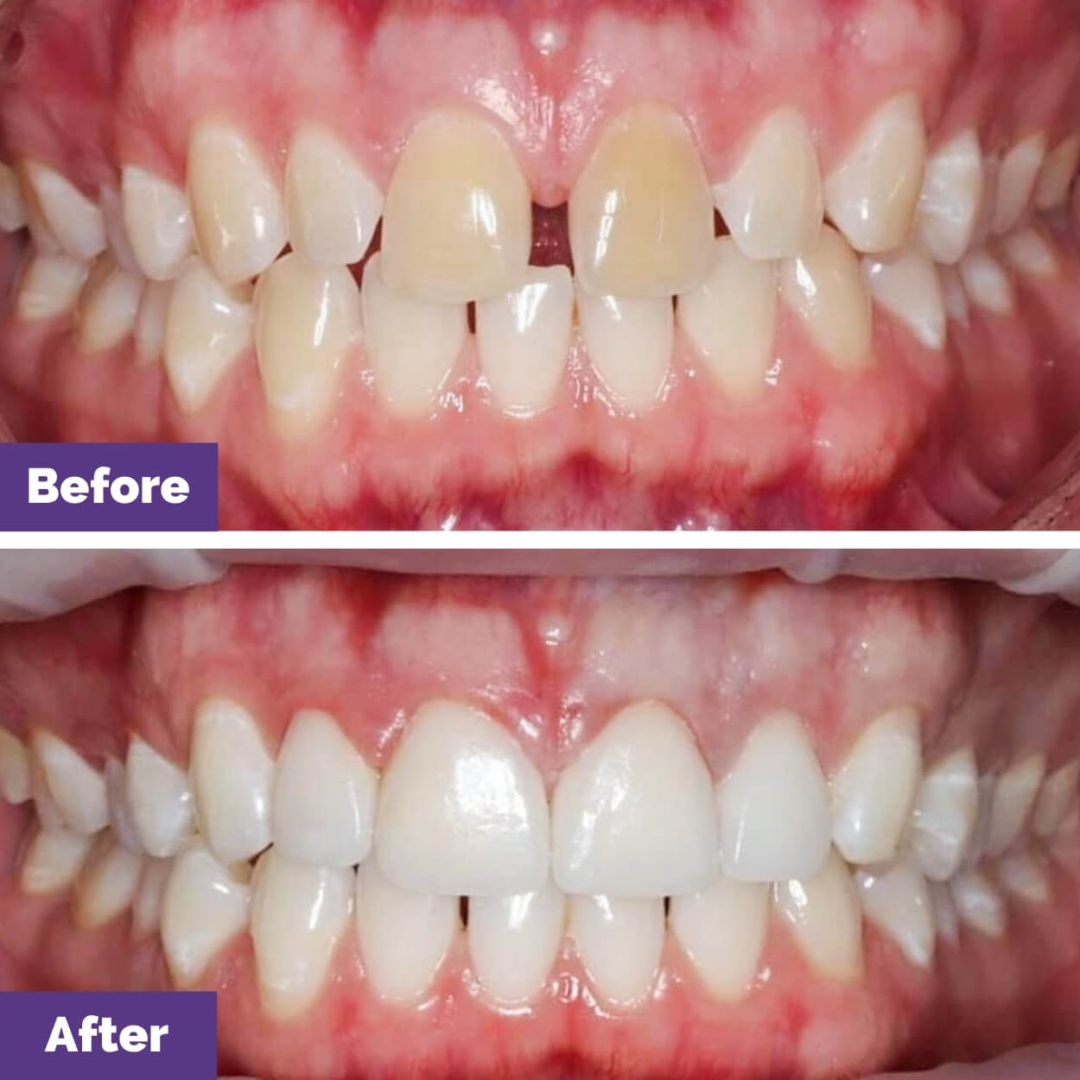
Case Note ID: Dec-2024-PV-SP
Location: Dental House Group (serving Melbourne’s north-west including Sunbury, Melton, Bacchus Marsh)
Primary Treatments: Porcelain veneers
Supporting Technology: Digital shade analysis, laboratory-fabricated porcelain, diastema closure planning
- Anterior spacing (diastema) between central incisors affecting aesthetic appearance
- Generalised tooth discolouration in anterior region
- Patient seeking conservative approach to address multiple aesthetic concerns
- Clinical assessment indicated teeth structurally suitable for veneer treatment
- Primary objective: Close spacing and improve tooth colour through ceramic restoration
Phase 1: Assessment and Treatment Planning
- Comprehensive examination of tooth structure and periodontal health
- Evaluation of existing spacing and tooth dimensions
- Digital planning to determine veneer width required for diastema closure
- Discussion of aesthetic goals and realistic expectations
- Assessment of potential for orthodontic space closure as alternative approach
Phase 2: Veneer Preparation
- Preparation of four anterior teeth with conservative enamel reduction
- Extended preparation width to accommodate space closure
- Shade selection to achieve desired colour improvement
- Temporary veneer placement during laboratory fabrication period
- Evaluation of temporary aesthetics and occlusion
Phase 3: Veneer Placement
- Trial fitting of laboratory-fabricated porcelain veneers
- Verification of diastema closure and aesthetic outcome
- Permanent cementation using appropriate bonding protocols
- Occlusal adjustment to ensure proper bite relationship
- Post-placement care and maintenance instructions
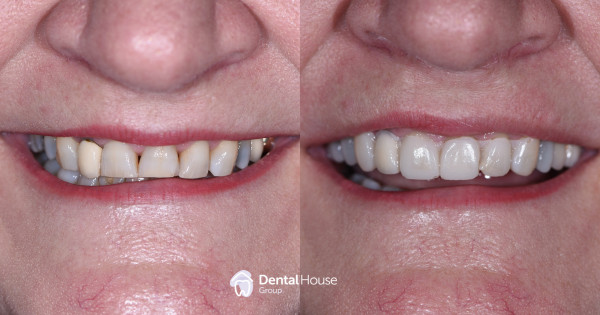
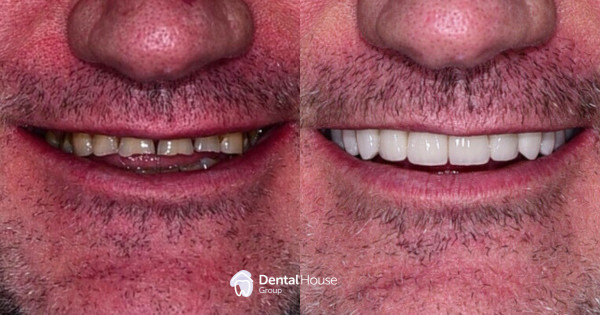
Four porcelain veneers were placed to close anterior spacing and improve tooth colour. This approach addressed multiple aesthetic concerns through a single treatment modality, though extended veneer width required for space closure affects long-term maintenance and gingival health considerations.
Individual responses vary significantly. Treatment outcomes cannot be guaranteed, depending on tooth structure, oral hygiene and bite forces. Veneers require permanent enamel removal and may chip, debond or fracture. Orthodontic alternatives avoid permanent tooth alteration.
Can veneers close gaps between teeth?
Veneers can close small to moderate spacing (typically up to 2-3mm per space) by increasing tooth width. However, wider veneers create altered tooth proportions that may appear less natural and present challenges for long-term gingival health. Orthodontic treatment addresses spacing without permanent tooth alteration but requires extended time and doesn’t modify tooth colour.
Do veneers look natural when closing spaces?
Aesthetic outcomes depend on the amount of space being closed, individual tooth anatomy and laboratory craftsmanship. Small space closure (under 1mm per tooth) typically appears more natural than larger corrections. Wider veneers may create visual discrepancies in tooth proportions. Laboratory technician skill and material selection significantly affect final appearance.
What are alternatives to veneers for closing spaces?
Orthodontic treatment (braces or clear aligners) moves teeth naturally without permanent alteration, though treatment takes 6-18 months and doesn’t address discolouration. Composite bonding offers more conservative and reversible space closure but has lower longevity than porcelain. In some cases, combining orthodontics with conservative veneers provides optimal results.