





Case Note ID: Dec-2024-ZW-CV
Location: Sunbury Dental House (serving Sunbury, Diggers Rest, Gisborne and surrounding areas)
Primary Treatments: In-chair professional teeth whitening, composite veneers
Supporting Technology: Zoom whitening system, direct composite bonding materials, shade matching protocols
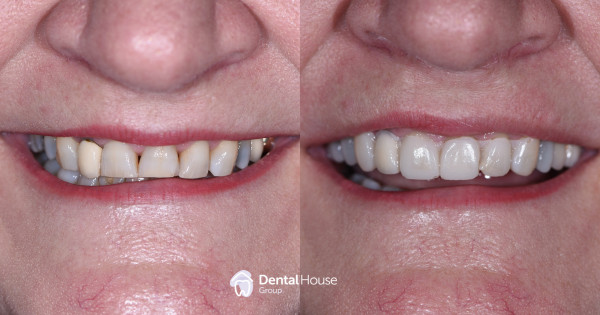
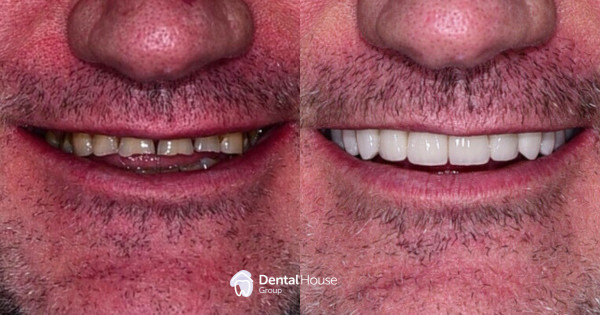
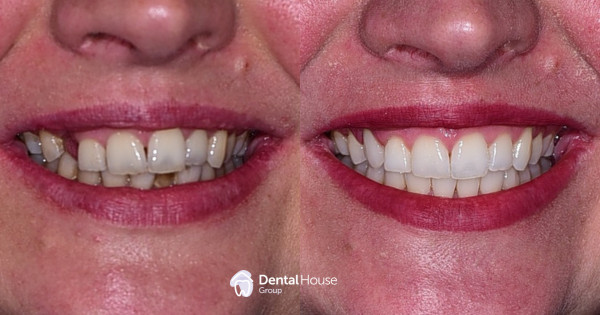
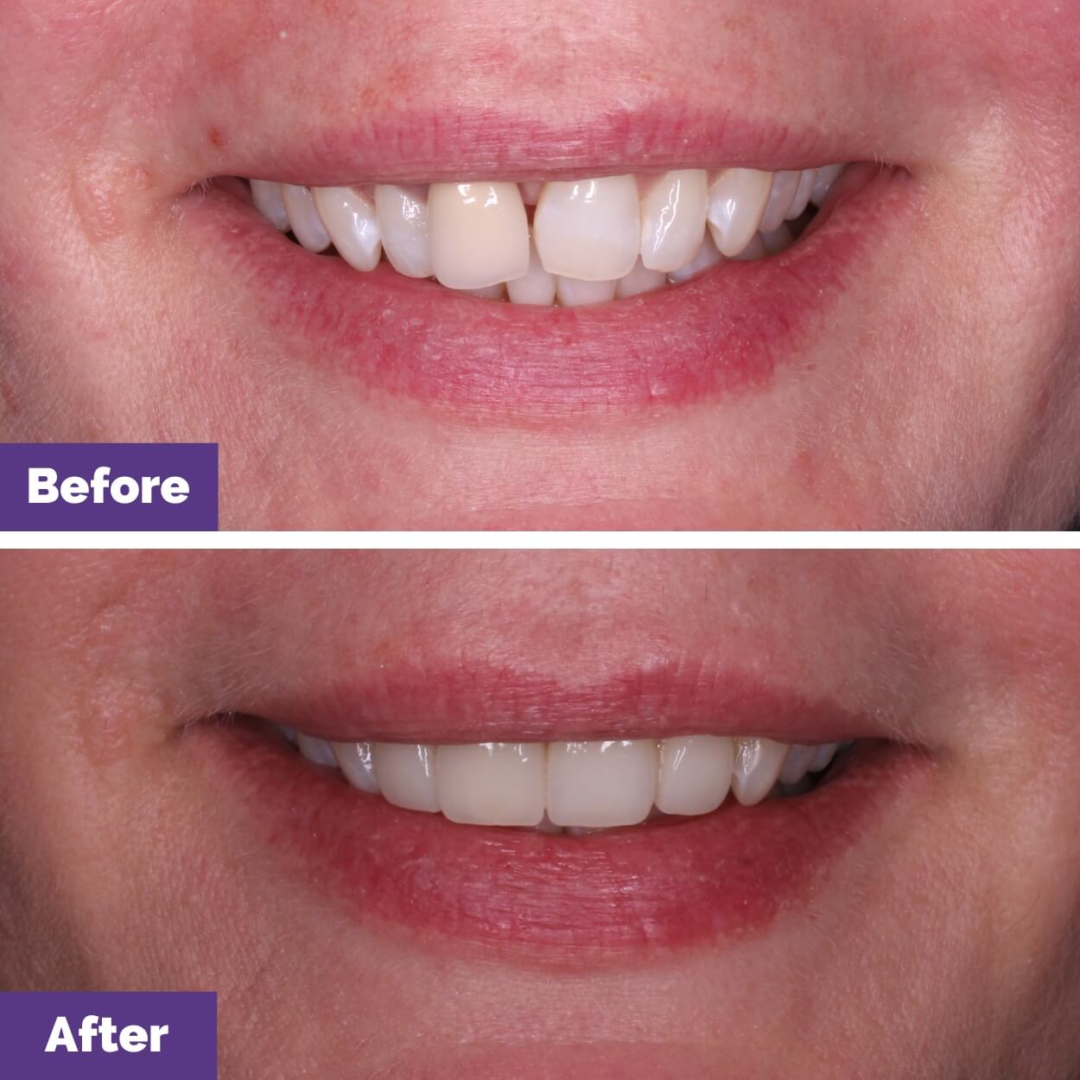
- Generalised tooth discolouration affecting overall smile appearance
- Advanced tooth wear reducing vertical dimension and structural integrity
- Minor tooth chipping compromising incisal edges
- Variation in tooth shape and size creating visual disharmony
- Primary objective: Improve overall tooth colour whilst addressing shape irregularities through combined approach
Phase 1: Assessment and Treatment Sequencing
- Comprehensive examination to evaluate tooth structure and restoration extent
- Assessment of discolouration type and whitening suitability
- Discussion of treatment sequencing: whitening first to establish baseline shade
- Planning for composite veneer placement after colour stabilisation
- Evaluation of occlusal relationships and bite forces
Phase 2: Professional Whitening Treatment
- Soft tissue protection using barrier materials
- Zoom whitening gel applied according to manufacturer protocols
- Multiple application cycles with controlled exposure times
- Post-whitening sensitivity management protocols implemented
- Waiting period (typically 2 weeks) for shade stabilisation before veneer placement
Phase 3: Composite Veneer Placement
- Shade selection based on stabilised whitened tooth colour
- Sequential preparation and bonding of composite material to anterior teeth
- Layer-by-layer composite application with light curing
- Contouring and shaping to achieve desired form and proportion
- Polishing and occlusal adjustment
- Multiple appointments typically required for optimal results
The combined treatment involved professional whitening followed by direct composite veneer placement after colour stabilisation. This sequencing allowed optimal shade matching whilst addressing both colour and shape concerns. Multiple appointments over approximately 2 months were required to complete composite work in manageable stages.
Individual responses vary significantly. Treatment outcomes cannot be guaranteed, depending on tooth colour, enamel quality and maintenance. Whitening results fade over months to years. Composite veneers stain readily, chip easily and require replacement every 3-7 years.
Why is whitening done before composite veneers?
Whitening must precede composite placement because composite shade is permanently set during fabrication and cannot be lightened later. Waiting 2 weeks after whitening allows tooth colour to stabilise before final shade selection. However, as whitening effect fades over months to years, colour discrepancies may develop between natural teeth and composite veneers.
How do composite veneers compare to porcelain veneers?
Composite veneers can be completed in fewer appointments, are less expensive and can be repaired more easily. However, composite has shorter longevity (3-7 years versus 10-15 years for porcelain), stains more readily, and has less optimal optical properties. Composite is more suitable for minor corrections, whilst porcelain better addresses extensive aesthetic changes.
What maintenance do composite veneers require?
Composite veneers require meticulous oral hygiene, avoidance of staining substances (coffee, tea, red wine, tobacco) and regular professional polishing to maintain surface lustre. Bite forces from grinding or clenching can cause chipping or fracture. Professional examination every 6 months is recommended to assess for wear, staining or debonding. Repair or replacement is typically needed every 3-7 years.