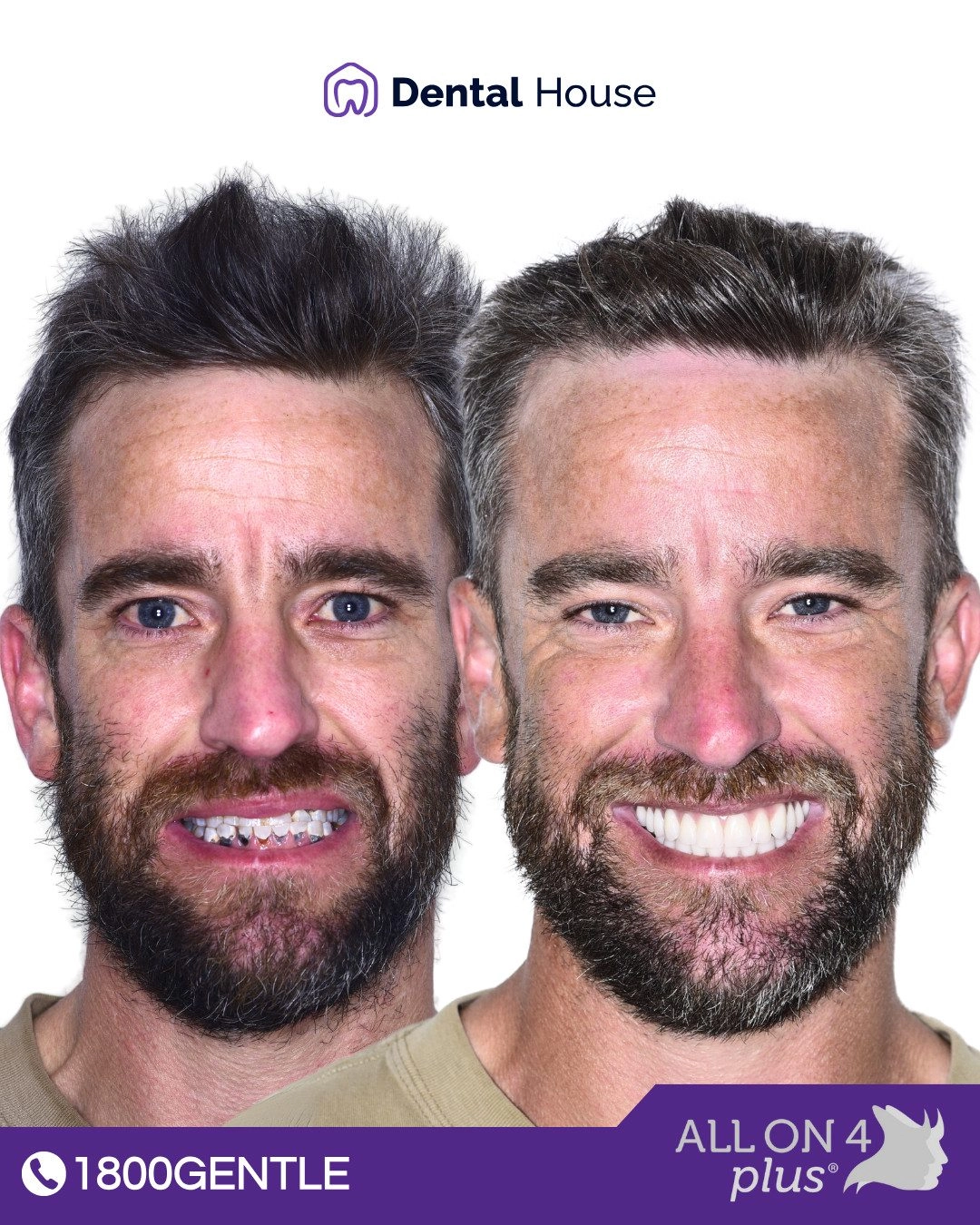
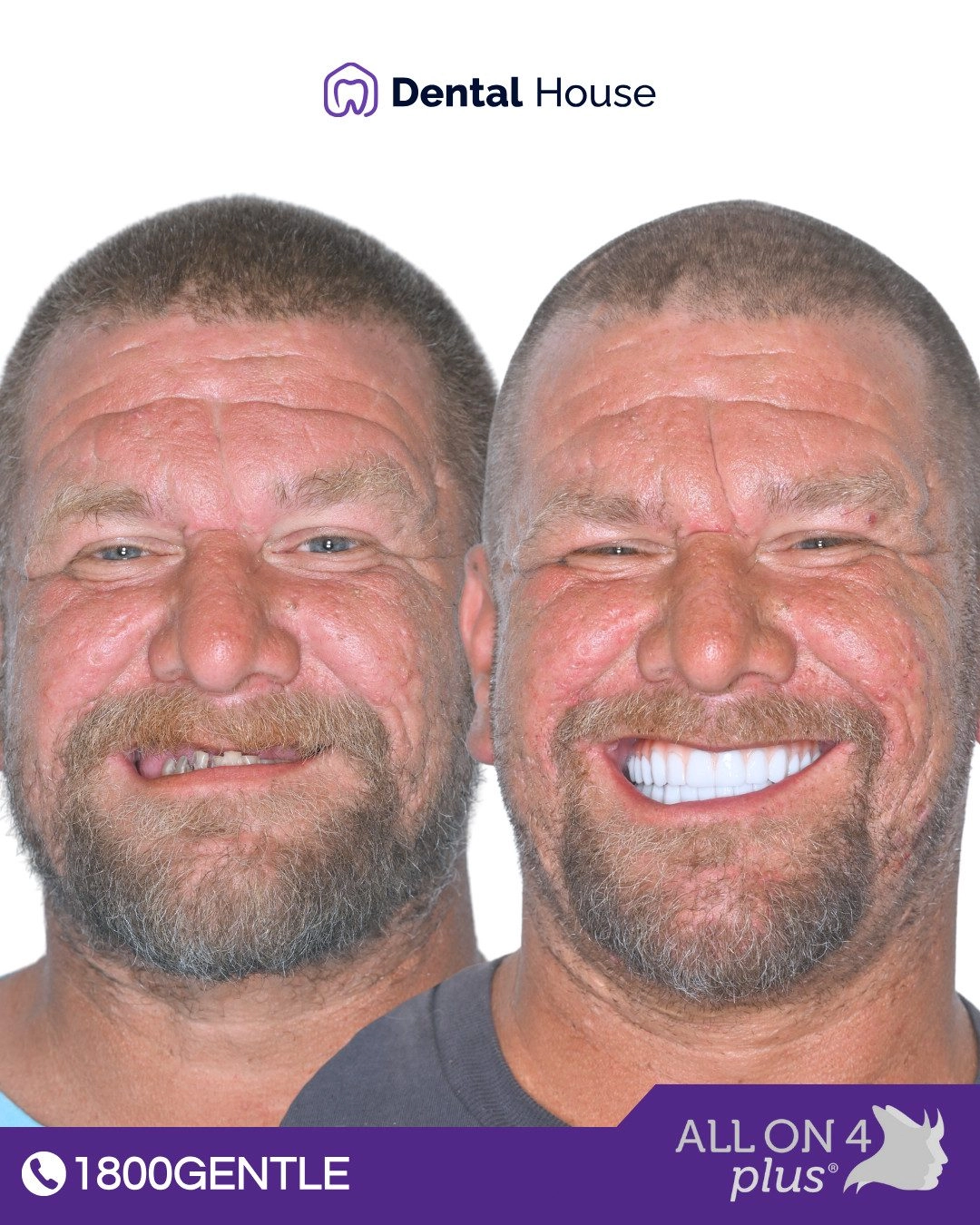
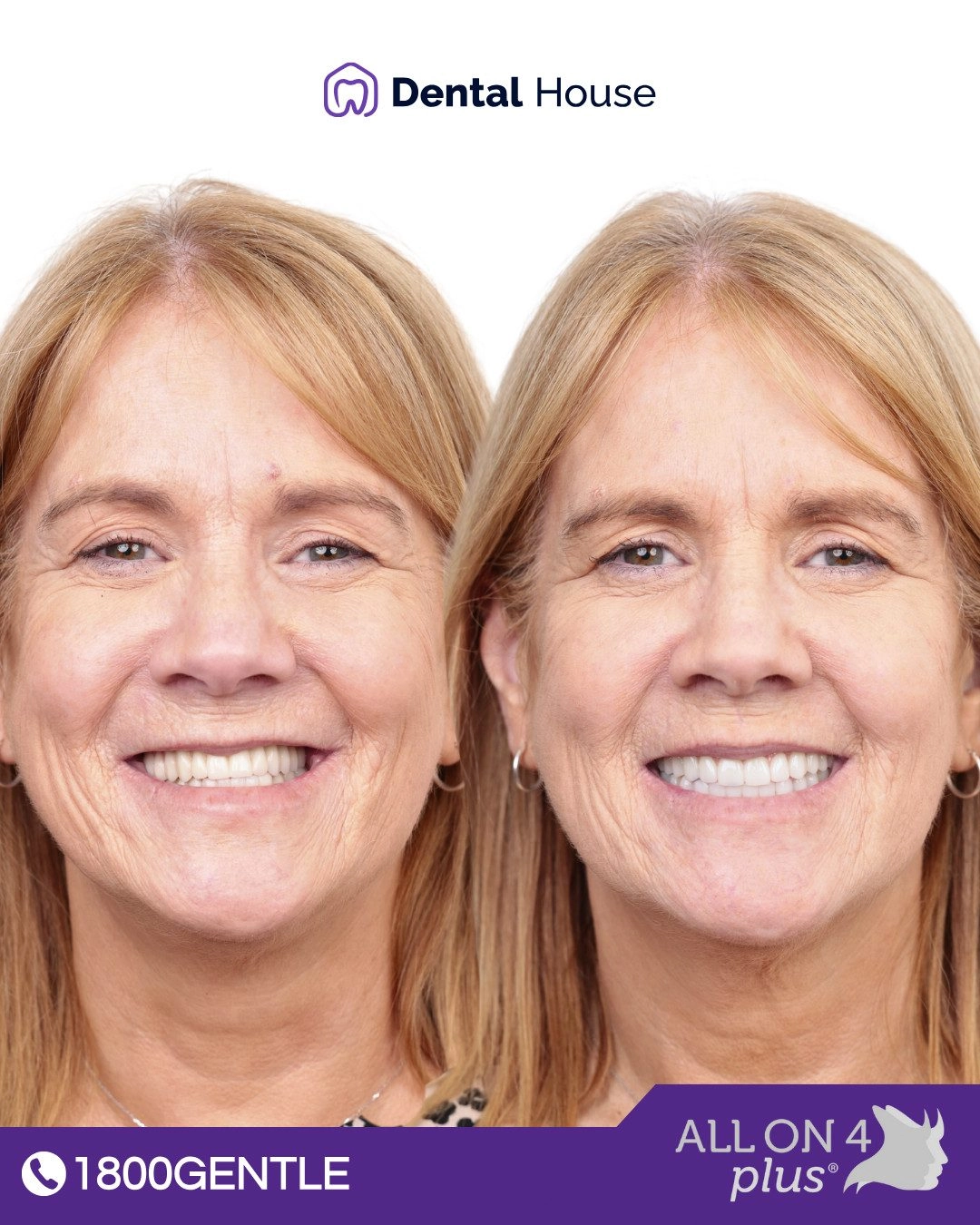
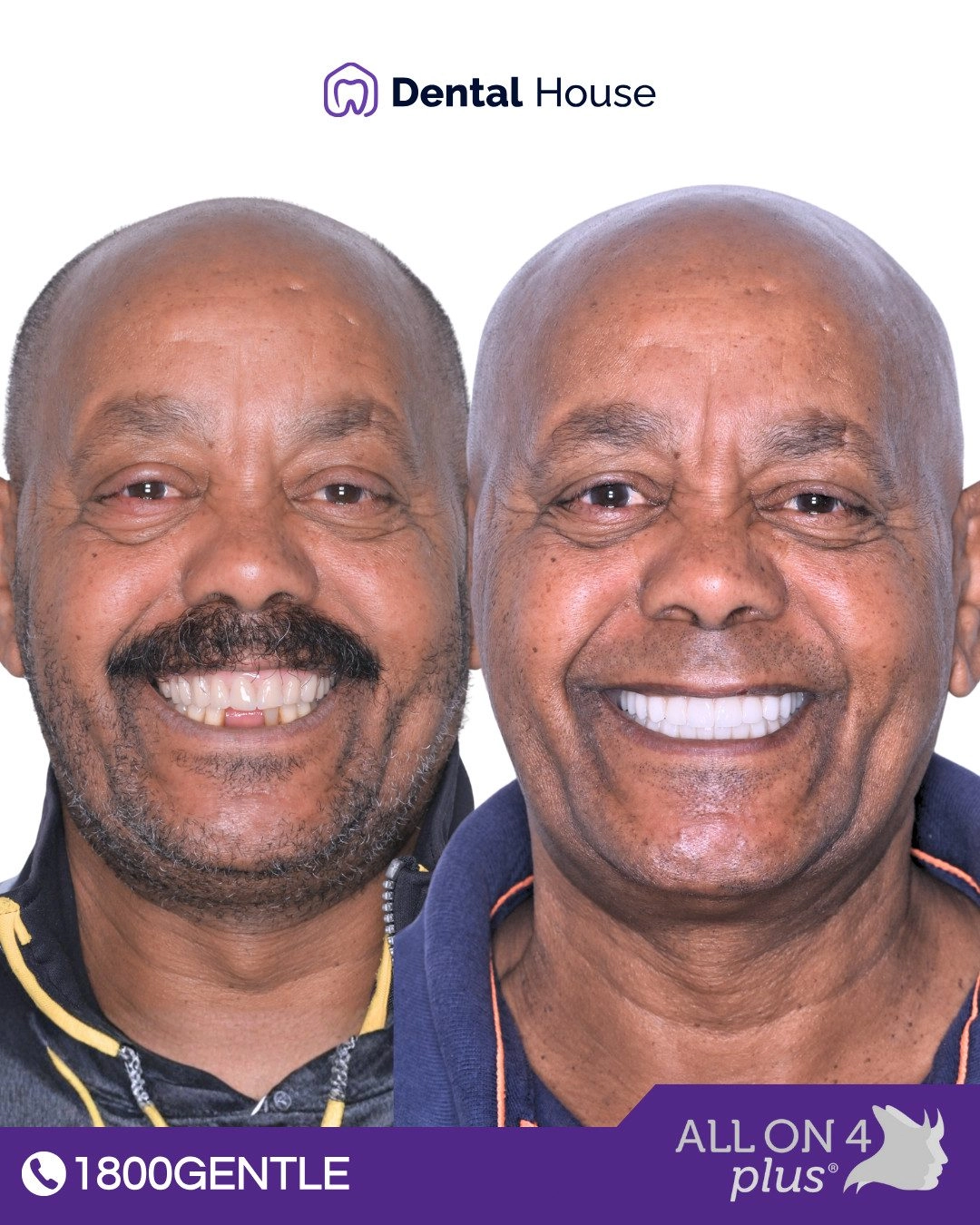
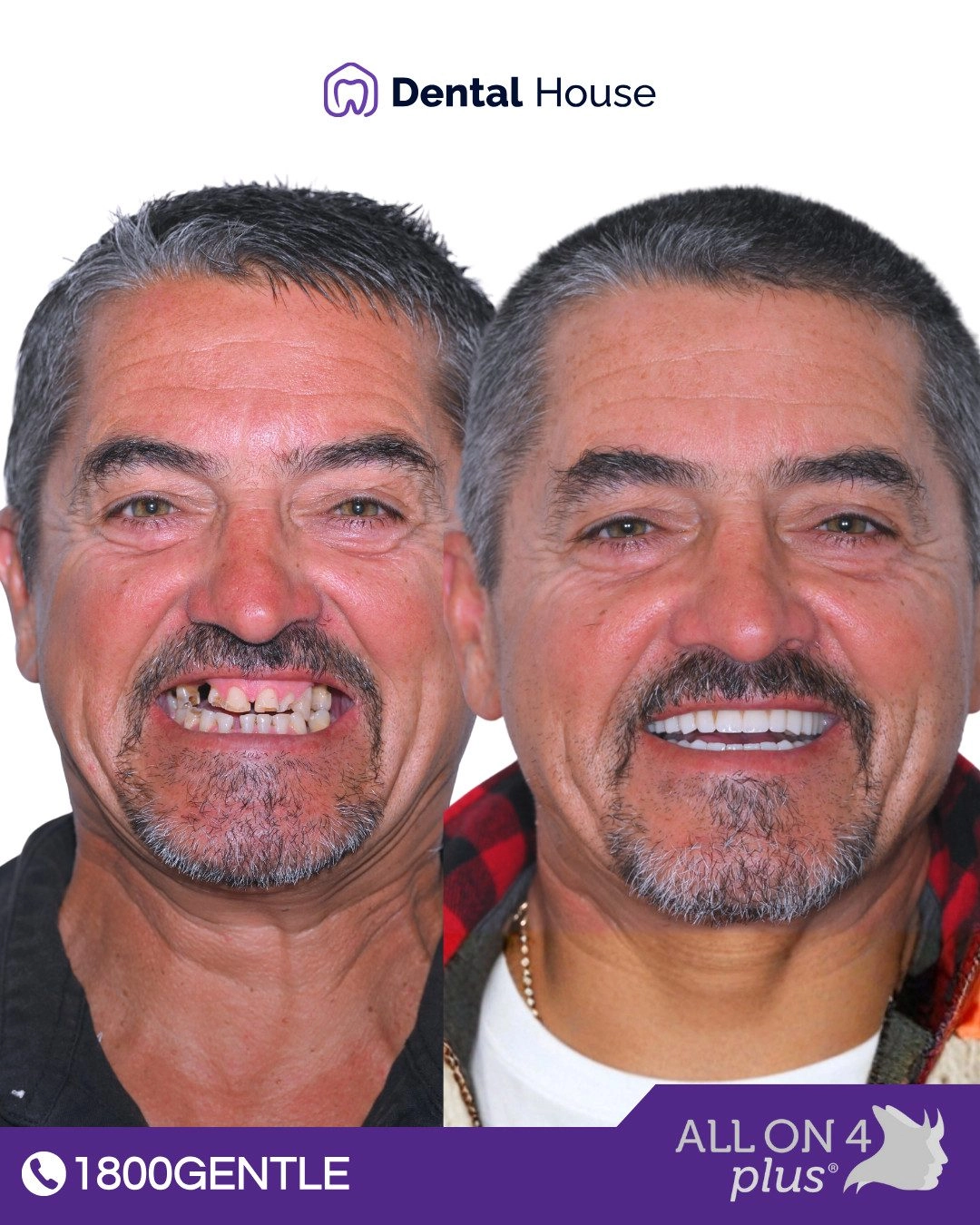
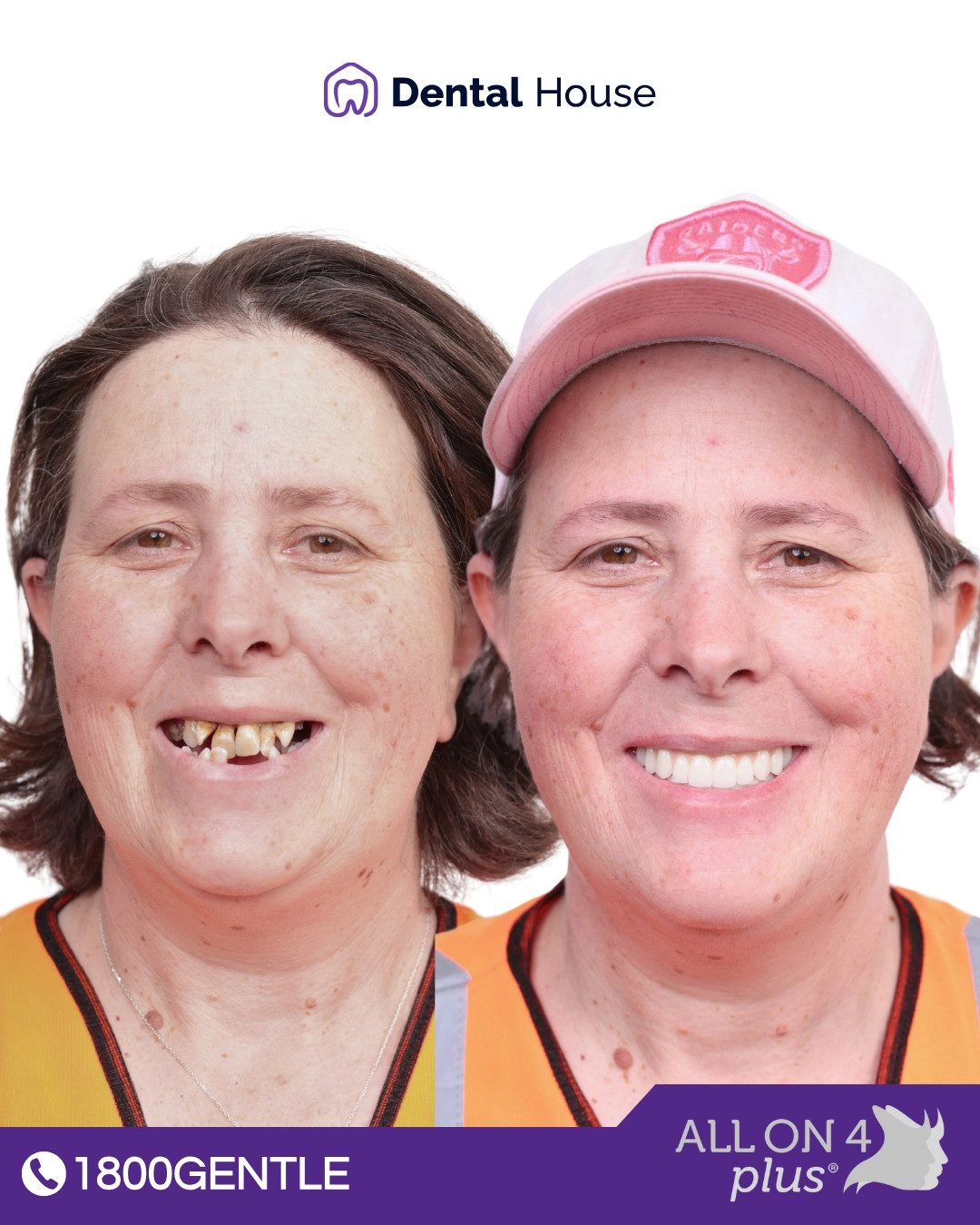
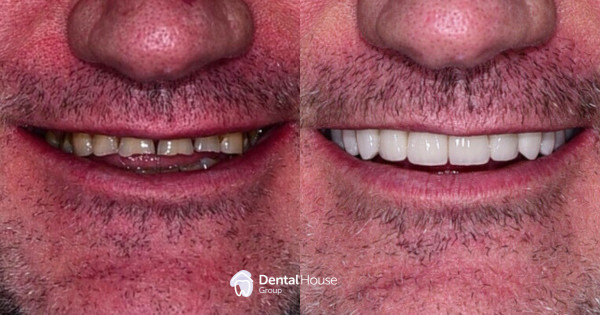
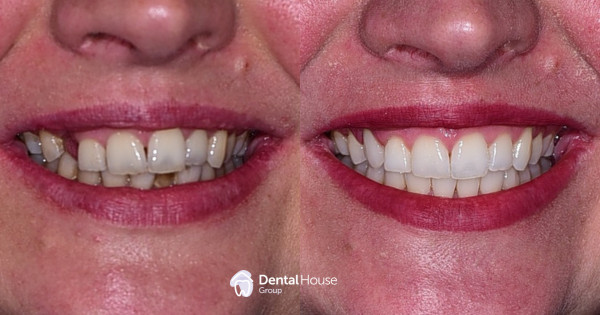
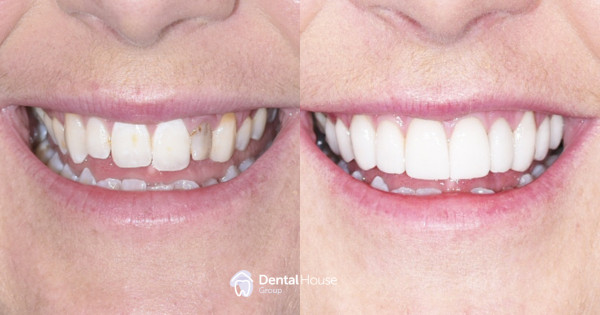
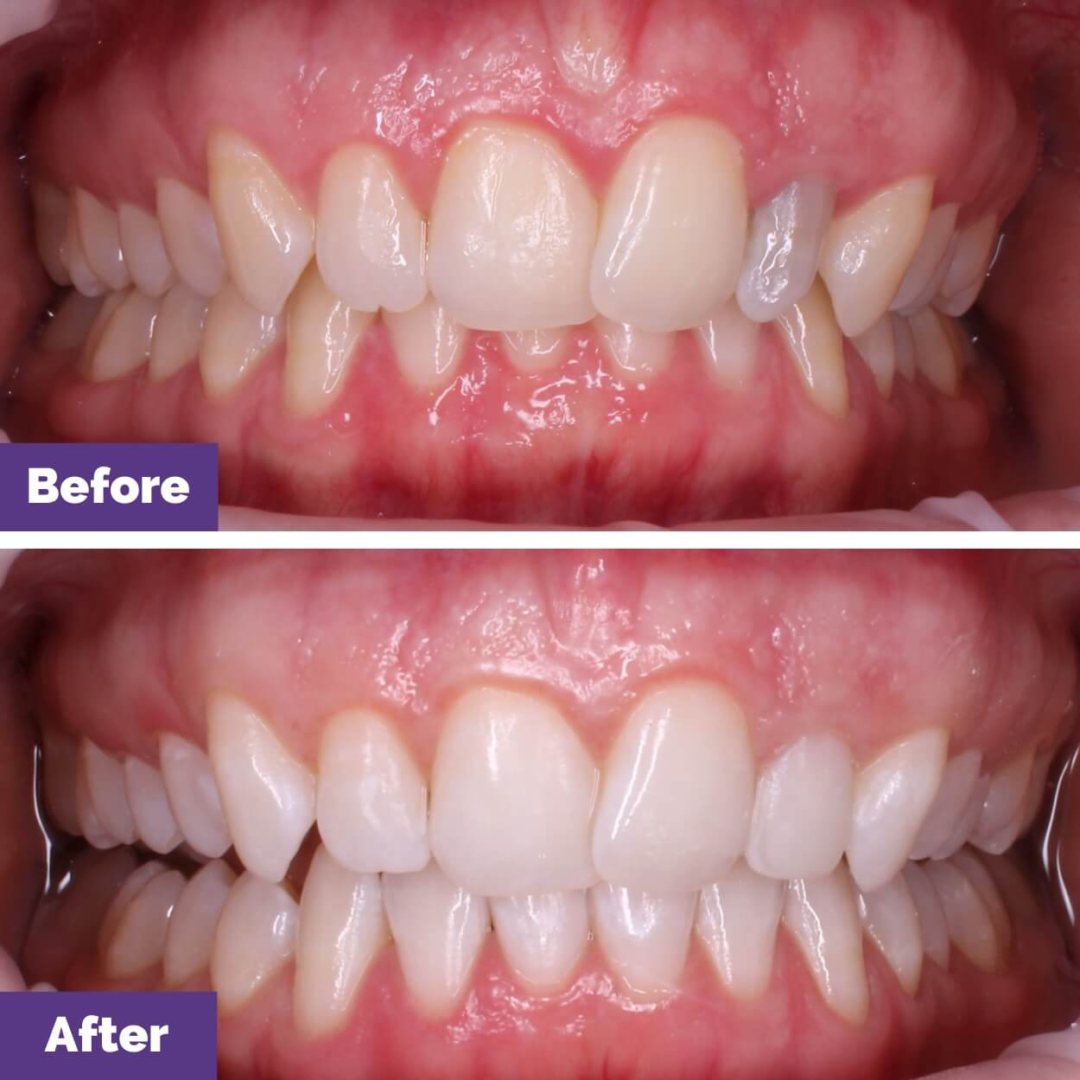
How Effective Is Single-Session Zoom Whitening for Tooth Discolouration in Melbourne?
Case Note ID: Dec-2024-ZW-SING
Location: Dental House Group (serving Melbourne’s north-west including Sunbury, Bacchus Marsh, Melton)
Primary Treatments: Zoom in-chair professional teeth whitening
Supporting Technology: Zoom whitening system with controlled peroxide gel, light activation, sensitivity management protocols
Presenting Clinical Problem
- Generalised tooth discolouration affecting smile confidence
- Variation in tooth shade creating uneven appearance
- Patient seeking rapid aesthetic improvement without invasive procedures
- Assessment indicated suitability for professional whitening approach
- Primary objective: Improve tooth colour through single-appointment whitening treatment
Treatment Plan & Clinical Process
Phase 1: Assessment and Suitability Evaluation
- Comprehensive examination to identify whitening contraindications
- Baseline shade assessment and photographic documentation
- Evaluation of existing restorations (fillings, crowns) that won’t change colour
- Discussion of realistic outcomes based on staining type and severity
- Review of sensitivity history and management options
Phase 2: In-Chair Whitening Procedure
- Soft tissue protection using barrier materials on gums and lips
- Zoom whitening gel application according to manufacturer protocols
- Multiple application cycles (typically 3-4 cycles of 15 minutes each)
- Light activation between cycles if protocol requires
- Post-treatment desensitising agent application
Phase 3: Post-Treatment Care
- Assessment of colour change achieved through shade comparison
- Discussion of temporary dietary restrictions (avoid staining substances 48 hours)
- Instructions for managing potential sensitivity
- Guidance on maintaining results and touch-up options
Clinical Outcome
Single-session in-chair whitening produced immediate lightening of tooth shade within approximately 90 minutes treatment time. The degree of colour change achieved varies considerably based on original tooth colour, staining type and individual enamel characteristics. Temporary sensitivity is common following treatment but typically resolves within 24-48 hours.
Individual responses vary significantly. Outcomes cannot be guaranteed, depending on staining cause, enamel thickness and individual tooth biology. Results typically fade gradually over 6-24 months requiring touch-up treatments. Existing restorations don’t change colour and may need replacement. Some patients experience minimal improvement despite appropriate technique.
Frequently Asked Questions for Melbourne Patients
How white will my teeth get with Zoom whitening?
Colour change varies from 2-8 shades improvement depending on original colour and staining type. Yellow-toned staining responds better than grey or brown discolouration. Intrinsic staining (from within tooth) is harder to lighten than surface staining. Results are unpredictable and cannot be guaranteed. Comparing before and after photos of other patients may create unrealistic expectations.
How long do Zoom whitening results last?
Longevity varies from several months to 2-3 years depending on dietary habits (coffee, tea, red wine consumption), tobacco use and oral hygiene. All teeth naturally yellow with age. Most patients notice gradual fade within 6-12 months. Touch-up treatments (often using take-home trays) extend results. Complete retreat typically needed every 1-2 years.
Is tooth sensitivity normal after whitening?
Yes, temporary sensitivity is common, affecting 60-70% of patients. Most experience mild discomfort for 24-48 hours, though some have sensitivity lasting several days. Desensitising toothpaste before and after treatment reduces severity. Severe sensitivity is uncommon but may require professional intervention. Sensitivity typically resolves completely without lasting effects.