

Most things quintessential have some kind of representation attached. It makes sense: the whole idea is for it to be the agreed marker of what constitutes the more than basic, the more than essential; a widely recognised portrayal of the typically perfect subject under discussion.
Some of it is very fixed – the quintessential elements of art deco for instance, are the unwavering influences of Cubism and the plurality of the Vienna Secession: symmetry, planarity, simplicity and repetition.
In terms of beauty however, it’s absolutely not: by definition it’s historically fluid, societally sanctioned trickery. Certainly at any given time, its ideals are reasonably strict. That’s possibly the compromise for its ever-changing parameters across continents and countries, over time, and under convergent socio-political influences.
Traditionally, perceived standards of beauty were always more focused on women than men; and for at least the last century, each had lasted around a decade. Although ideal appearances wax and wane from the curvy, voluptuous expectations of the 1950s to the waif-like, androgynous rebellion of the 1990s, what remains at the core is the intention to control women through the limitations the physical, genetics-driven body brings. Feminists have long argued that as women became increasingly unshackled from the domestic duties of home, it demanded a new mechanism of control.
It came in the form of an intensity-increased beauty industry, obsessively preoccupied with physical perfection that was completely unattainable by most without militaristic dedication and plastic or cosmetic surgery.
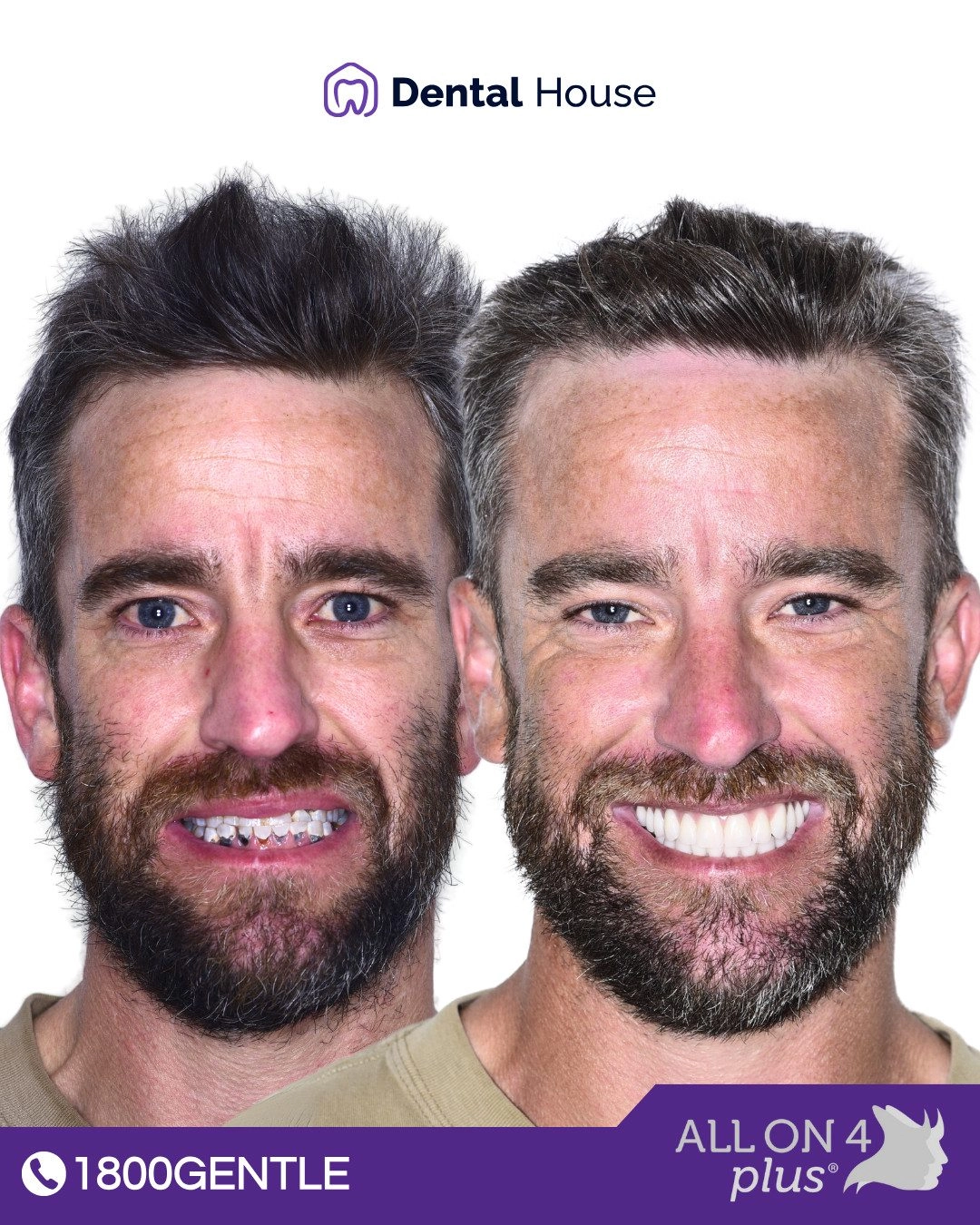
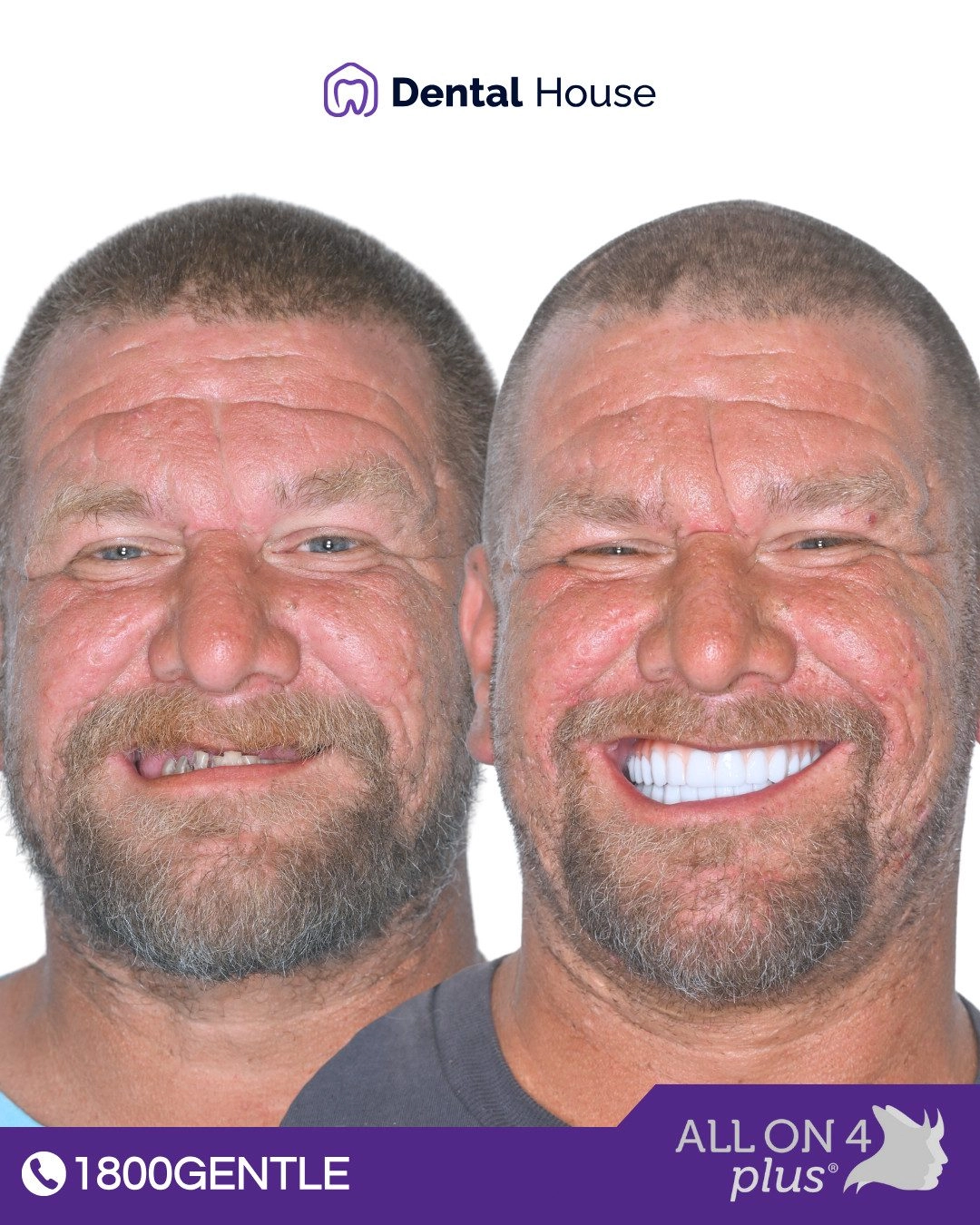
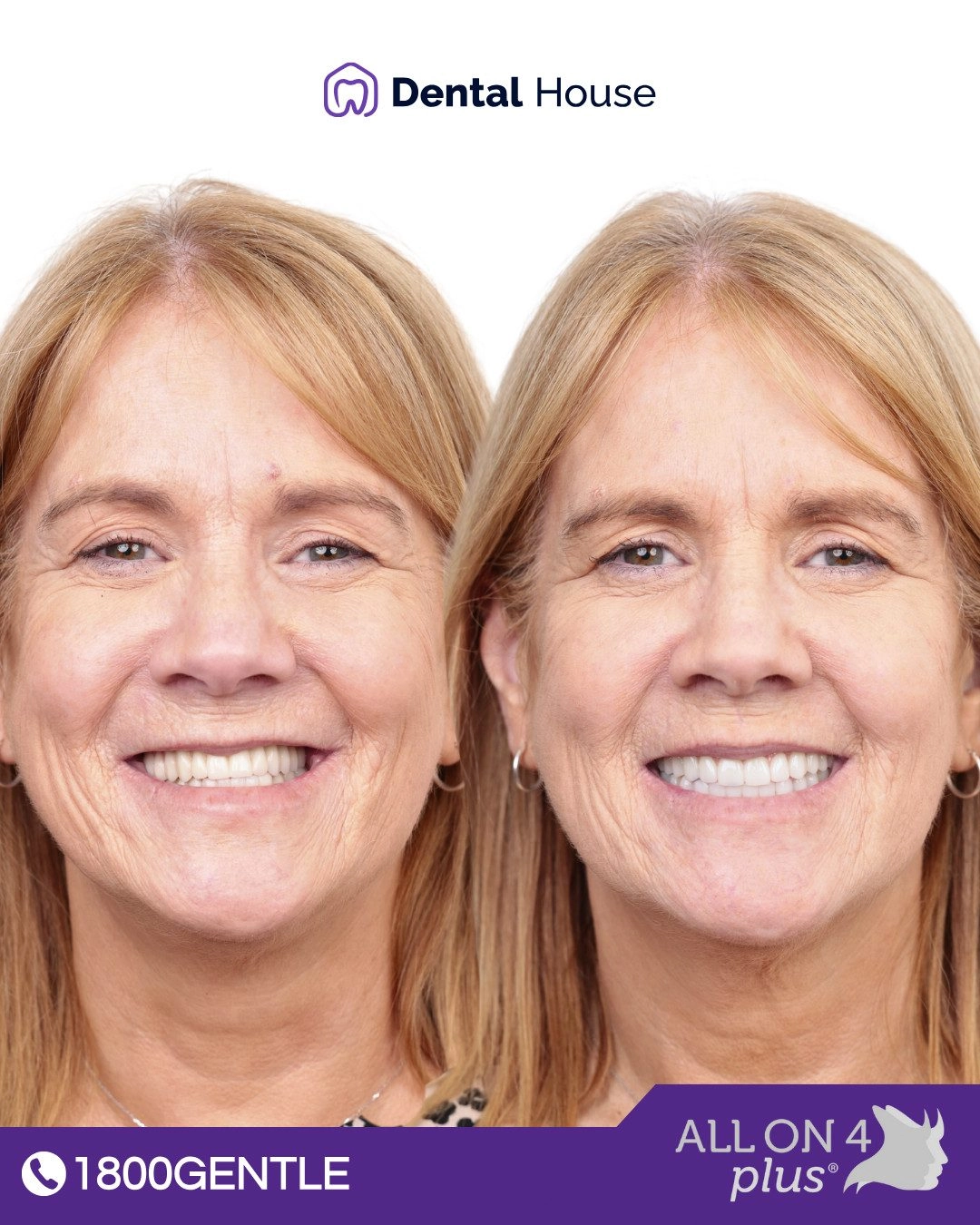
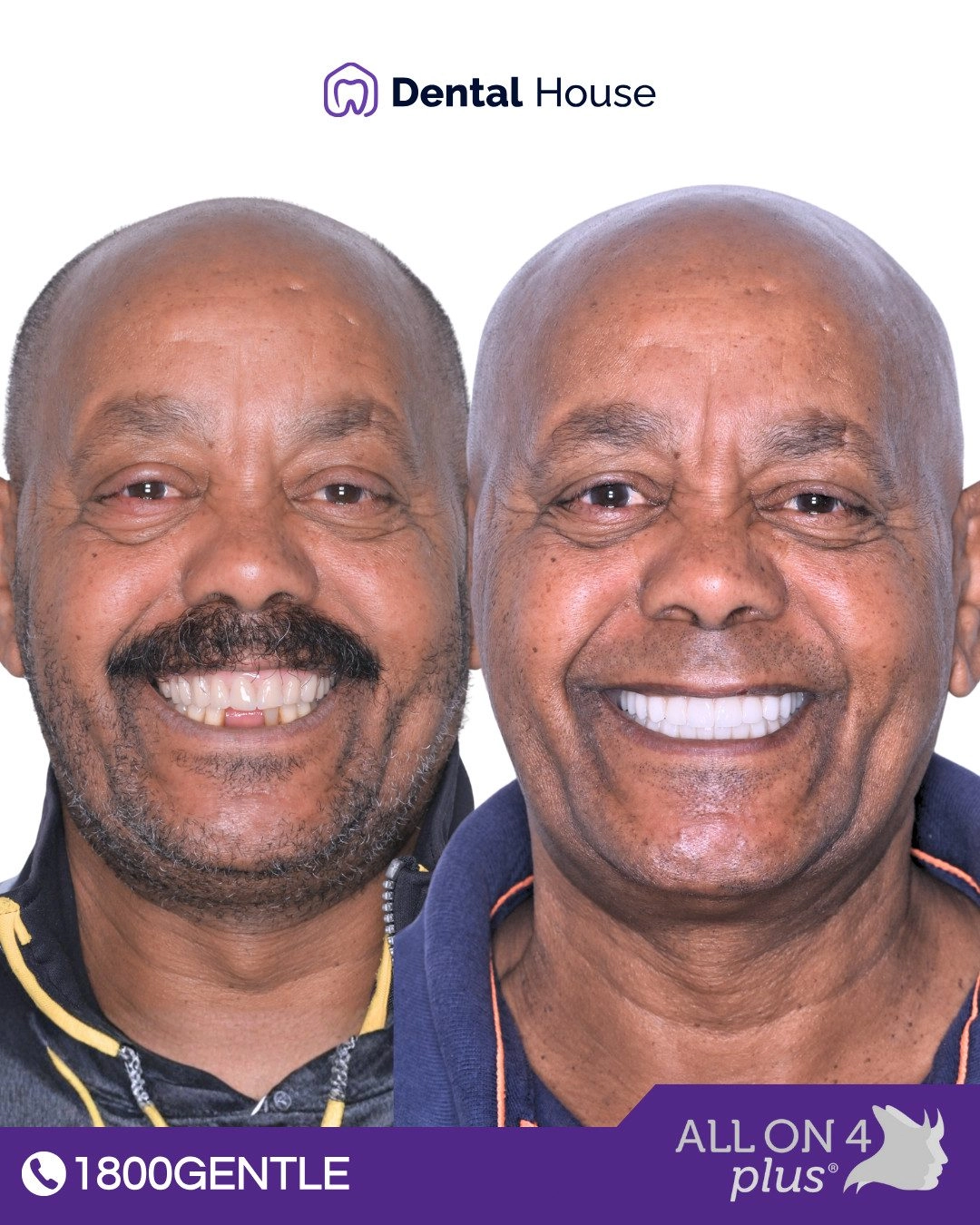
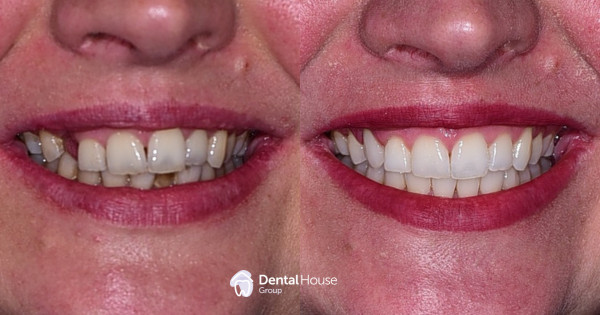
A surprising fact, amid all this reconfiguring of the female form and now including the masculine aesthetic, there is no single smile that’s considered perfect.
Non-believers of this actuality will immediately cite the dazzling Hollywood ideal: the likes of Julia Roberts, Ann Hathaway, Matthew McConaughey or Matt Damon. Undoubtedly, they have impressive smiles – and they’re smiles that work for them; not necessarily anyone else. According to science, that trademark celebrity grin with its display of gleaming white teeth is the beautiful ideal because it’s proportional with the width of the movie star’s mouth.
And there are other tell-tale signs. There’s more to a convincing smile than a flash of teeth.To read a stranger’s smile and assess both trustworthiness and motive takes just one-tenth of a second.
Research tells us that instead of a definitive formula, there is a set of parameters within which appealing smiles sit.
When we encounter a face in everyday life, our brain instantly compares the geometry to the thousands of others we’ve encountered to see which expression fits, prior to considering context. Often there’s an automatic mimicking in order for us to see how it makes us feel.
In one study, participants were presented with fifteen animations of smiling people, with the instruction to scale them from deceptive to genuine; from horrific to pleasant.
To the researchers’ surprise, there was no one smile deemed the most genuine and likeable.
Instead, as a result of this study and others like it, what was discovered is the ‘Goldilocks principle’: the requisite effect of which is the exposure of the right amount of teeth, to the span and angle of someone’s smile. Research found that a narrow, open-mouthed smile that didn’t turn up at the corners was misinterpreted as ‘contempt’ or ‘fear’.
Whatever the magic responsible for perceived perfection in the realm of gorgeous grins, everybody wants it.
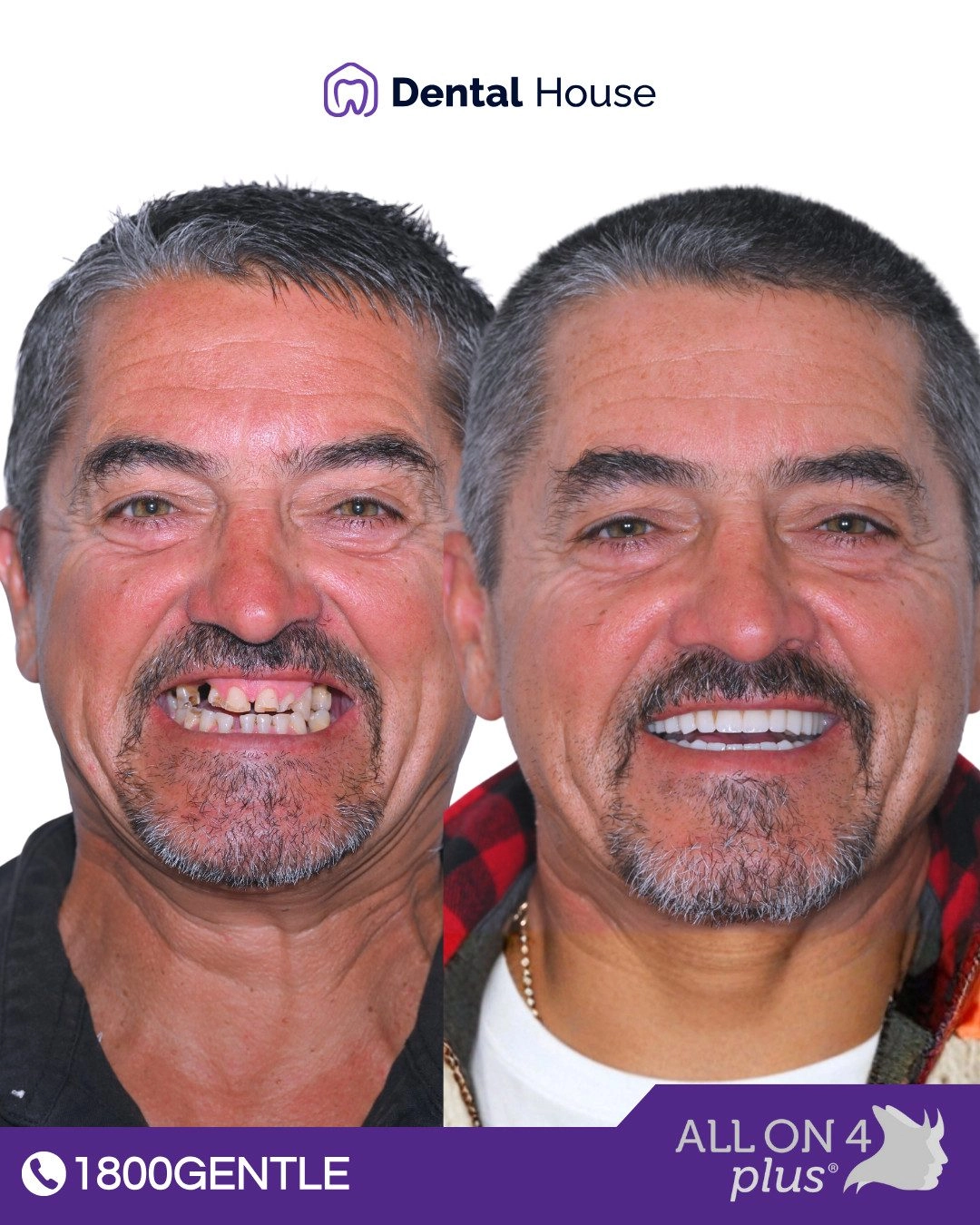
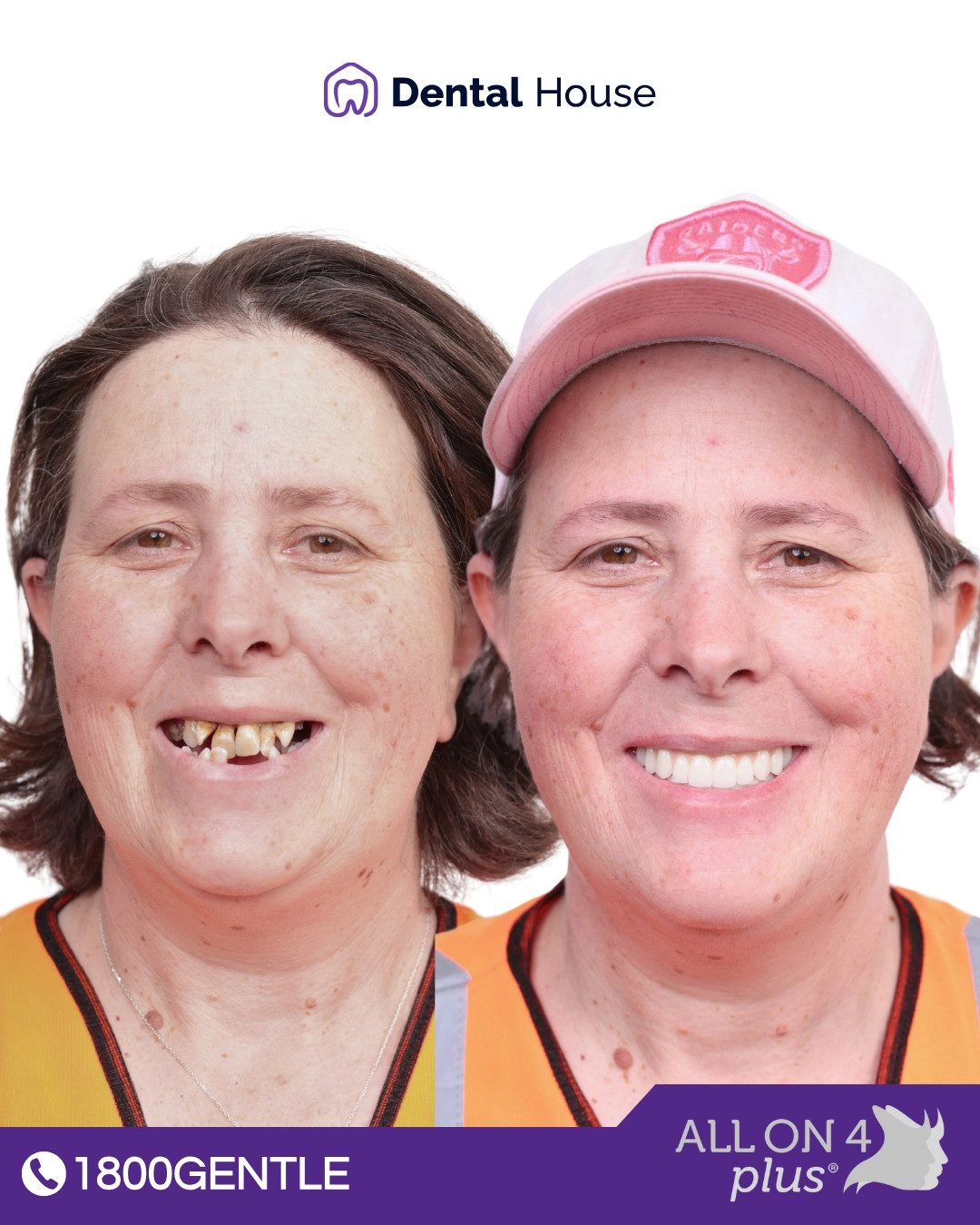
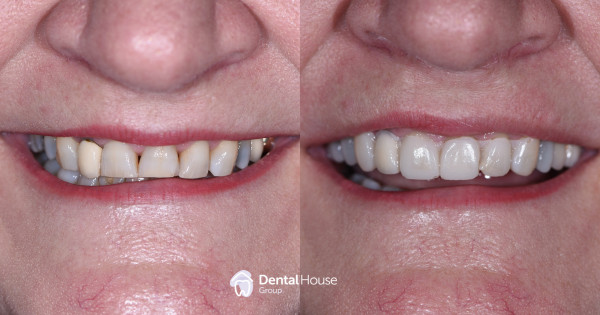
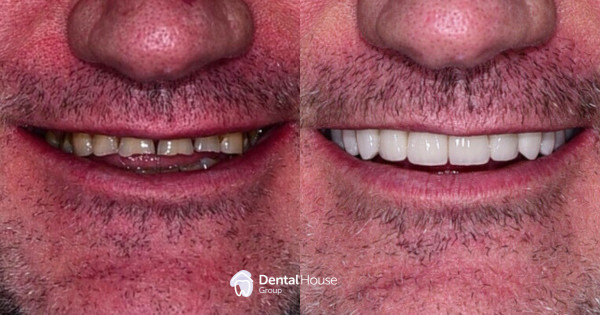
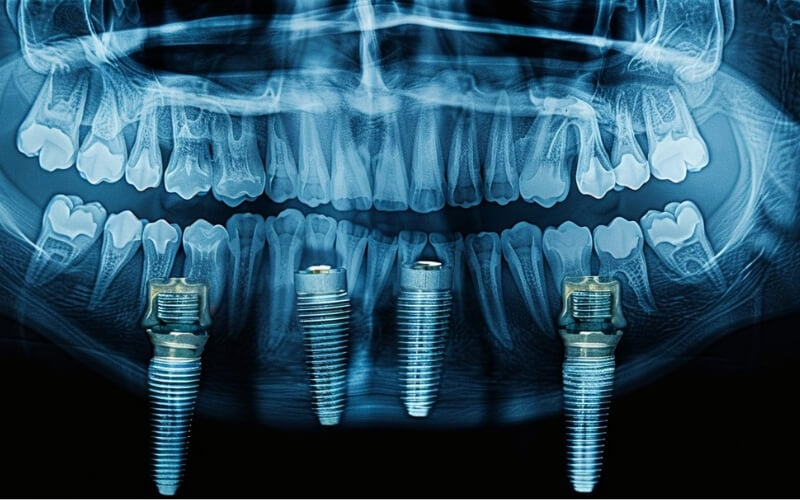
A smile enhances overall appearance and with that, boosts confidence and improves self-esteem. Genetic dental issues or those that occur later in life mean that misaligned or missing teeth, as well as gaps, affect the aesthetics of a smile. Dental implants offer the potential to correct them all.
In dentistry, biocompatibility refers to material or devices that perform and function in harmony with the body. Being biointegratable, having high resistance to corrosion and low rejection response, is what makes titanium and its alloys a popular implant choice.
Restorative dentistry also finds graphene, with its antibacterial and antibiofilm properties a tough, flexible, light and resistant material for crowns, and as an adhesive. It has an impressive ability to physically interact with biomolecules; and heart rate, blood pressure, inflammatory markers and lung function have been proven unaffected by graphene oxide.
Graphene-based material, with titanium or zirconia as a coating or composite material, helps cell viability. This translates to greatly improved bioactivity, bone regeneration and osseointegration – the failure of which is the predominant reason of unsuccessful implants.
Zirconia is a very strong material, and an alternative to titanium posts. Made from zirconium dioxide, a ceramic material known for its strength and durability. More expensive than titanium and not suitable for all cases, they are white in color and give a more natural-looking result for patients with thin or translucent gum tissue.
Choosing zirconia crowns means better resistance to chipping and cracking. Relatively unbreakable, and being only half a millimetre thick in comparison to bulkier ceramic options, they provide a very naturally light refractive look to replaced tooth surfaces.
Dental implants are an investment in the long-term benefits of facial aesthetics, and improved oral health.
While the cost of biocompatible posts and crowns are higher than the more traditional materials, with proper care these dental implants are a permanent and lifetime solution with a much reduced failure rate. Other options which may initially seem more cost effective, often require numerous repairs, or replacement over time.
As with any dental treatment, weighing up the benefits and costs is part of the process of maintaining good oral health and the resultant impact on the rest of the body. Dental implants offer durability and aesthetics that dentures lack, but the decision has to be based on case-specific available options, and personal budget.
Technological advancements are ongoing in the efficiency of dental implant surgery, and more often than not costs are reduced because of these improvements. The best and only way to gather the information needed to make and informed decision is in consultation with your dentist; and with second and third opinions if that’s what has you feel most comfortable.
The claim that there is no such thing as the perfect smile overlooks the reality that the perfect smile is the one that is our own, given candidly, confidently and frequently.
There’s value above price in that.
Note: All content and media on the Bacchus Marsh Dental House website and social media channels are created and published online for informational purposes only. It is not intended to be a substitute for professional medical advice and should not be relied on as health or personal advice.