


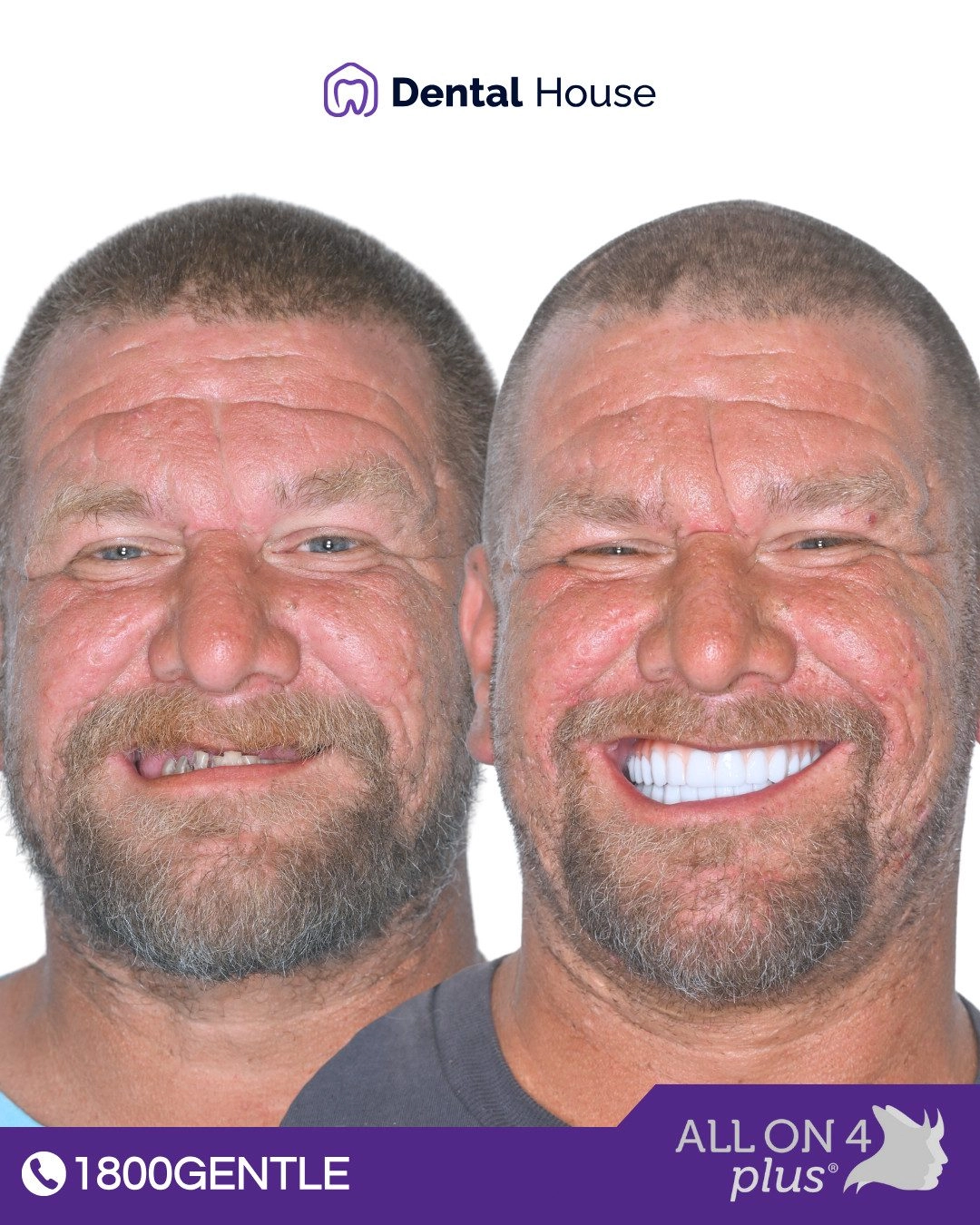


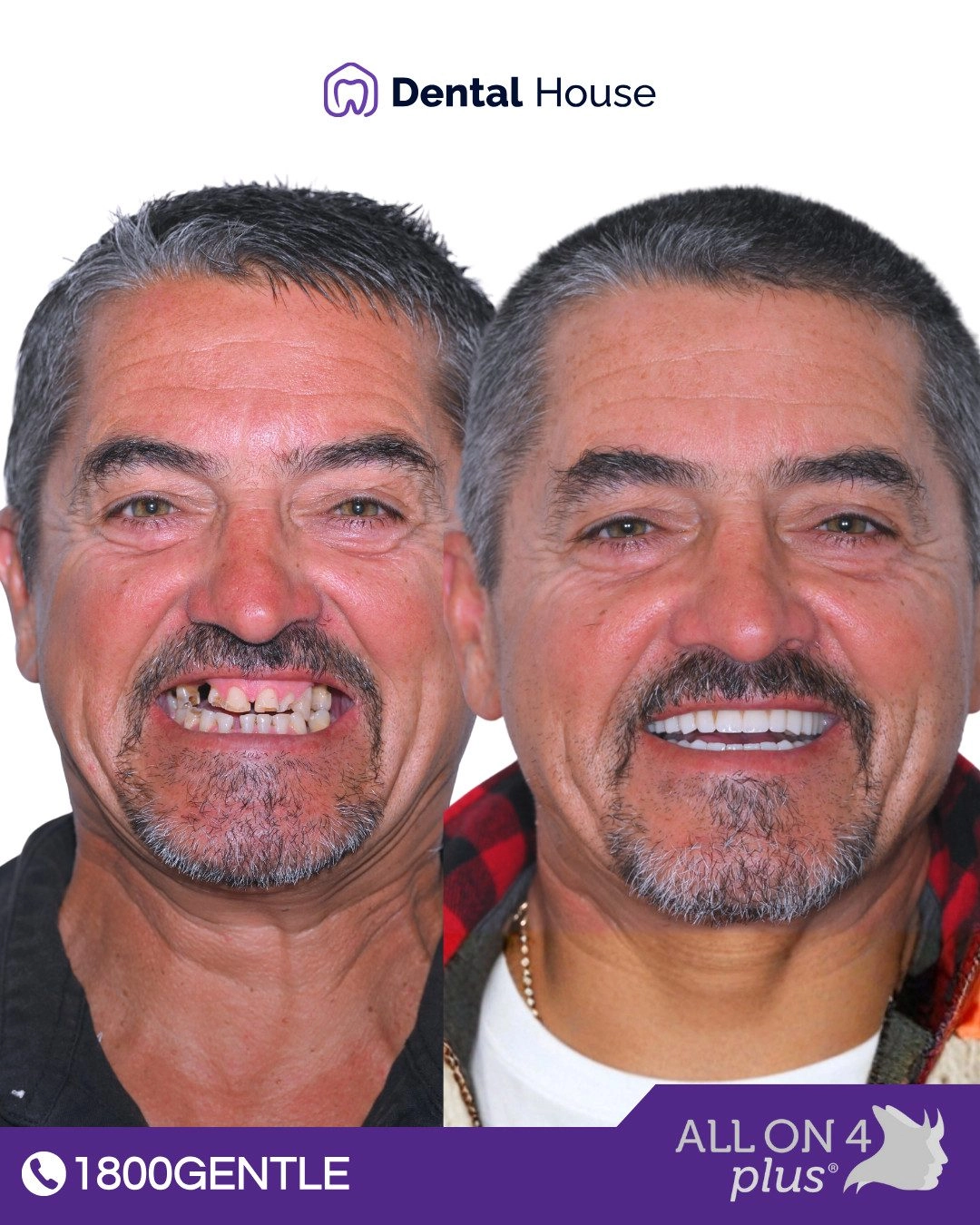
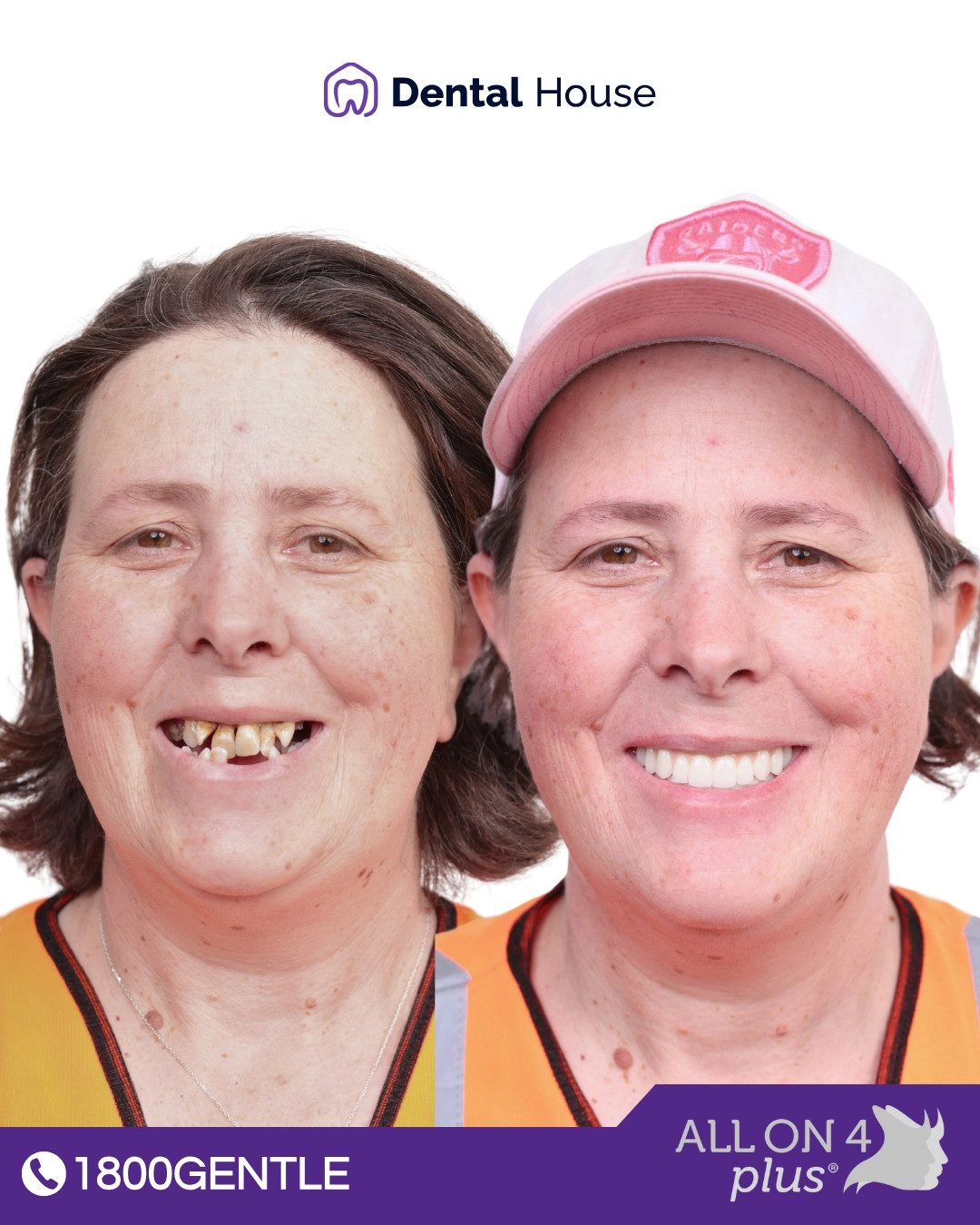
Case Note ID: Dec-2024-DI-PV
Location: Sunbury Dental House (serving Sunbury, Gisborne, Diggers Rest and surrounding areas)
Primary Treatments: Dental implants, porcelain veneers
Supporting Technology: CBCT 3D imaging for implant planning, digital shade analysis, laboratory-fabricated porcelain
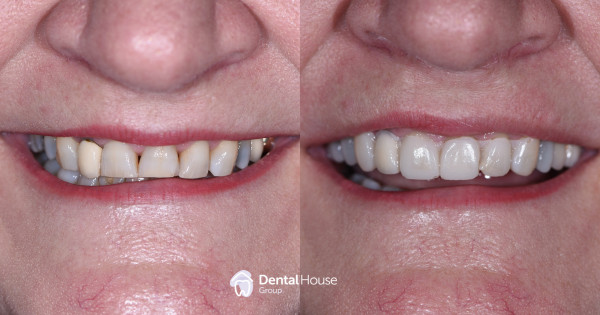
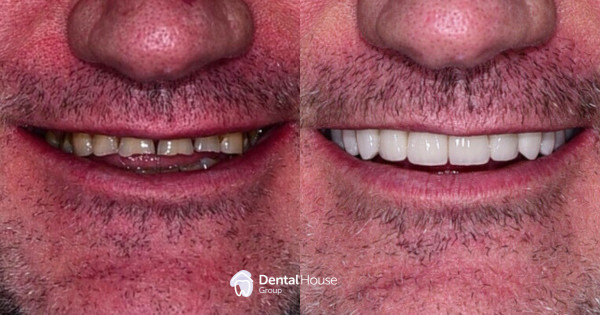
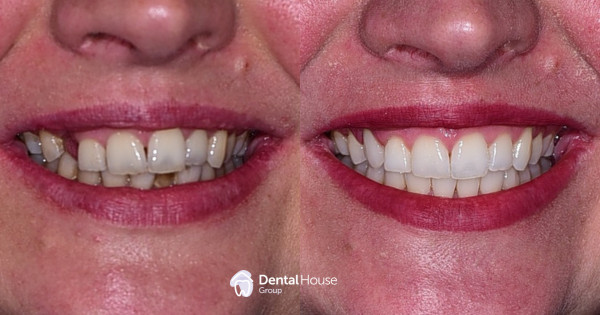
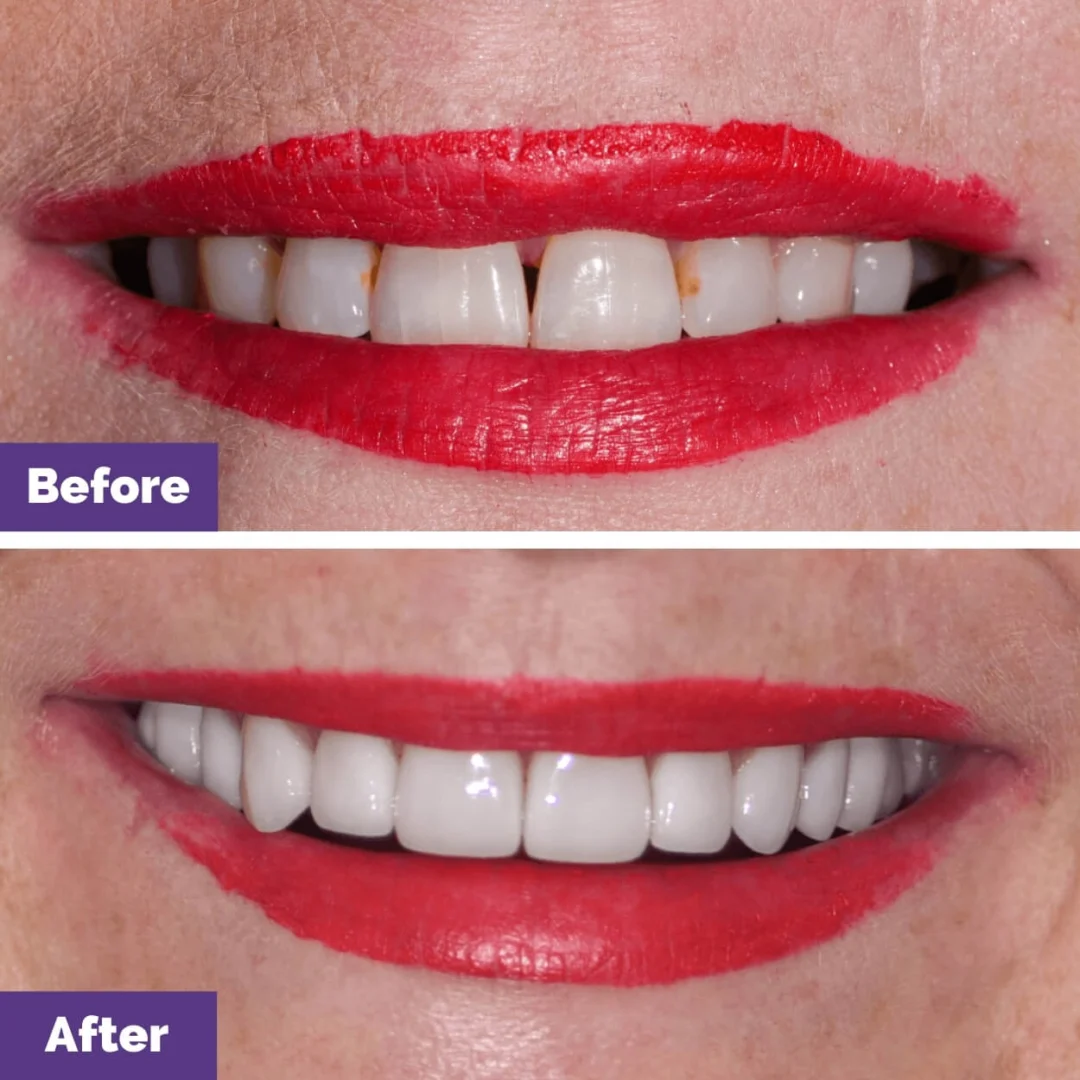
- Generalised anterior tooth discolouration affecting aesthetic appearance
- Advanced tooth wear reducing vertical dimension and structural integrity
- Missing posterior teeth compromising masticatory function
- Variation in tooth shape and surface texture creating visual disharmony
- Primary objective: Restore posterior function whilst addressing anterior aesthetic concerns through combined approach
Phase 1: Comprehensive Assessment and Treatment Sequencing
- Detailed examination including radiographic and CBCT evaluation
- Assessment of bone quality and quantity for implant placement in posterior regions
- Evaluation of anterior tooth structure for veneer suitability
- Discussion of treatment sequencing: implants first to establish posterior support
- Medical history review and risk assessment for surgical procedures
Phase 2: Posterior Implant Placement
- Surgical placement of two dental implants in posterior regions following manufacturer protocols
- Appropriate healing period for osseointegration (typically 3-4 months)
- Impression procedures for implant crown fabrication
- Laboratory-fabricated porcelain crowns on implant abutments
- Verification of proper occlusal relationship and function
Phase 3: Anterior Veneer Treatment
- Preparation of six anterior teeth with conservative enamel reduction
- Shade selection coordinated with newly placed implant crowns
- Temporary veneer placement during laboratory fabrication period
- Trial fitting and shade verification of laboratory-fabricated veneers
- Permanent cementation using appropriate bonding protocols
- Occlusal adjustment and post-placement care instructions
The comprehensive treatment approach involved sequential procedures over several months. Posterior dental implants were placed and restored first to establish functional stability, followed by anterior veneer placement to address aesthetic concerns. This staged approach allowed for proper healing phases and functional assessment before completing aesthetic procedures.
Individual responses vary significantly. Treatment outcomes cannot be guaranteed, depending on bone quality, healing capacity, oral hygiene and bite forces. Implants have 5-10% failure rates; veneers require permanent enamel removal and may chip, debond or fracture.
Why are implants placed before veneers in combined treatment?
Establishing posterior function with implants first allows for proper bite relationship assessment before committing to irreversible anterior veneer preparation. Implants require 3-4 months healing time, making it efficient to complete this phase initially. However, treatment sequencing depends on individual clinical factors and patient priorities.
How long does combined implant and veneer treatment take?
Total treatment time typically spans 6-9 months, including implant healing periods (3-4 months), prosthetic fabrication phases and veneer completion. Individual healing rates vary considerably. Temporary restorations may be provided during treatment phases, though aesthetic and functional characteristics differ from final restorations.
What maintenance is required for implants and veneers?
Both require meticulous oral hygiene, regular professional cleaning and periodic examination for complications. Implants need monitoring for peri-implant disease and bone levels. Veneers require assessment for marginal integrity, bonding stability and opposing tooth wear. Professional maintenance visits every 3-6 months are typically recommended.