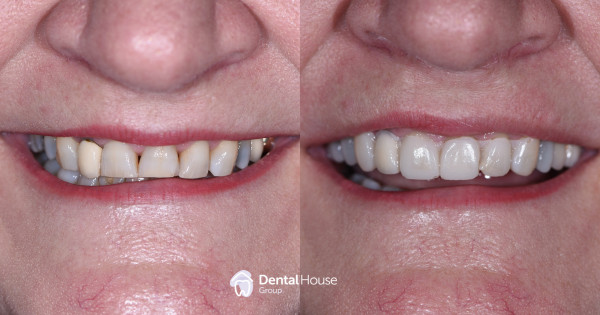
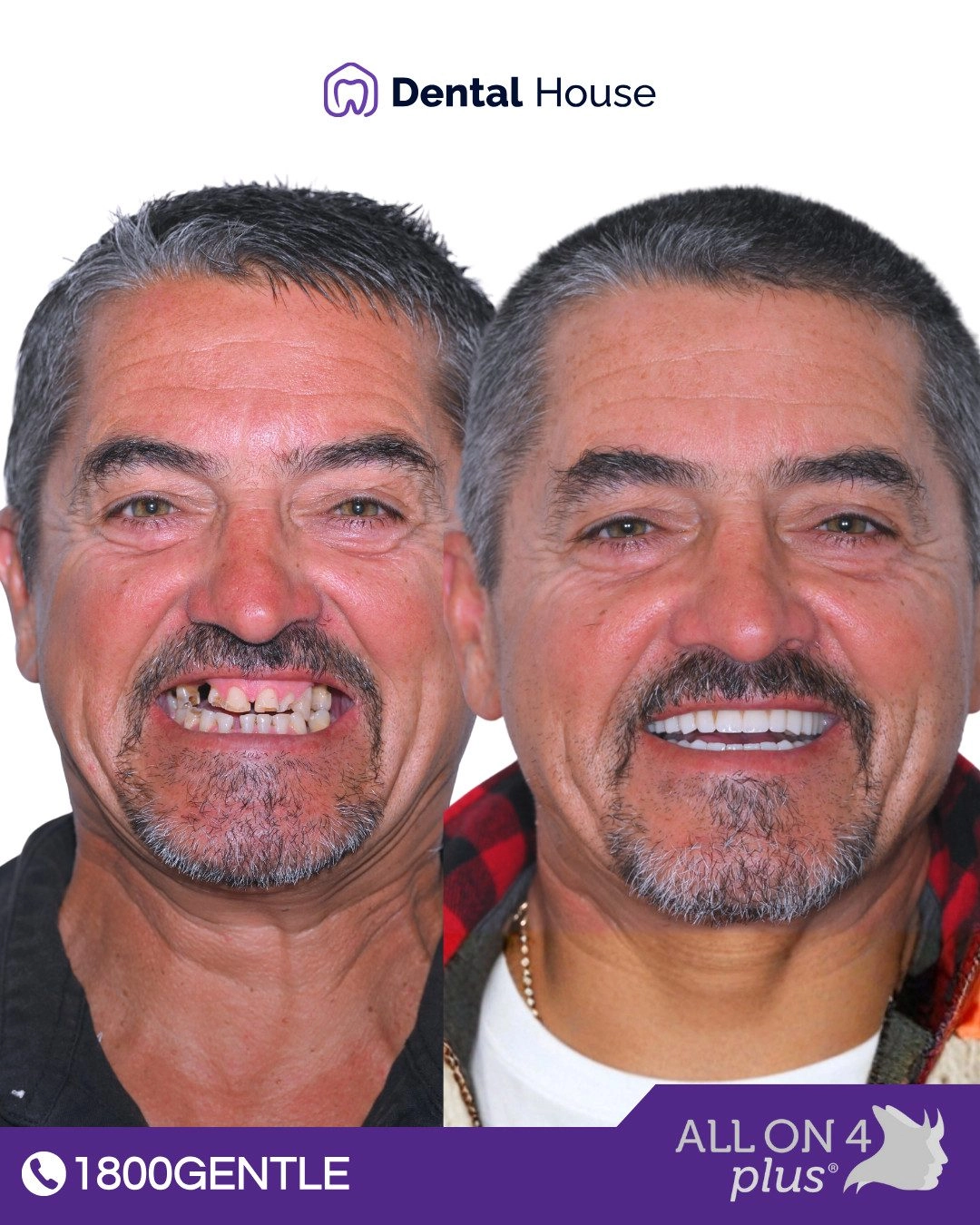
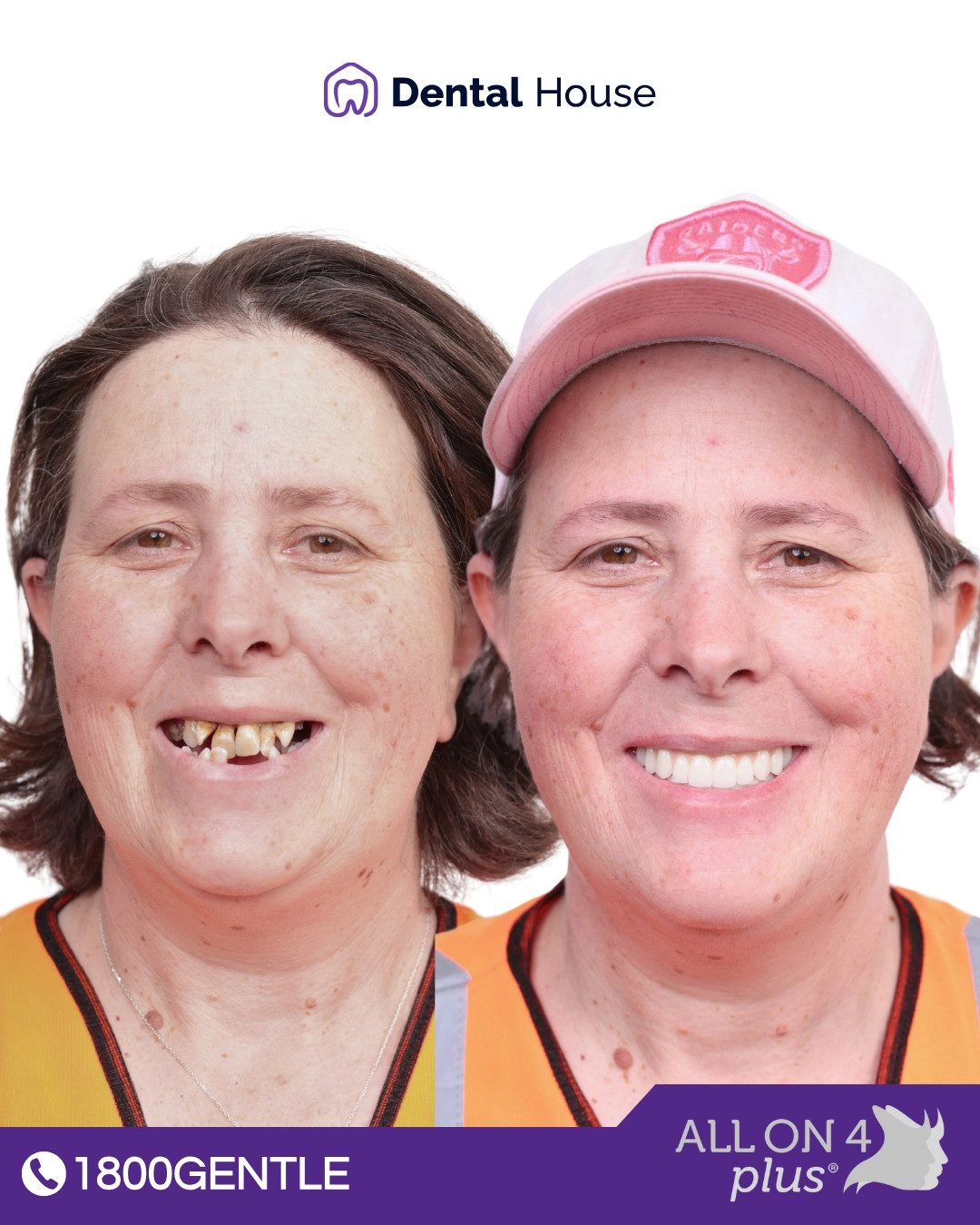
Full Mouth Restoration Clinical Case in Bacchus MarshRead more
A sleep apnoea appliance is a custom-made oral device, also called a mandibular advancement splint, that holds your lower jaw slightly forward while you sleep so your airway stays open.
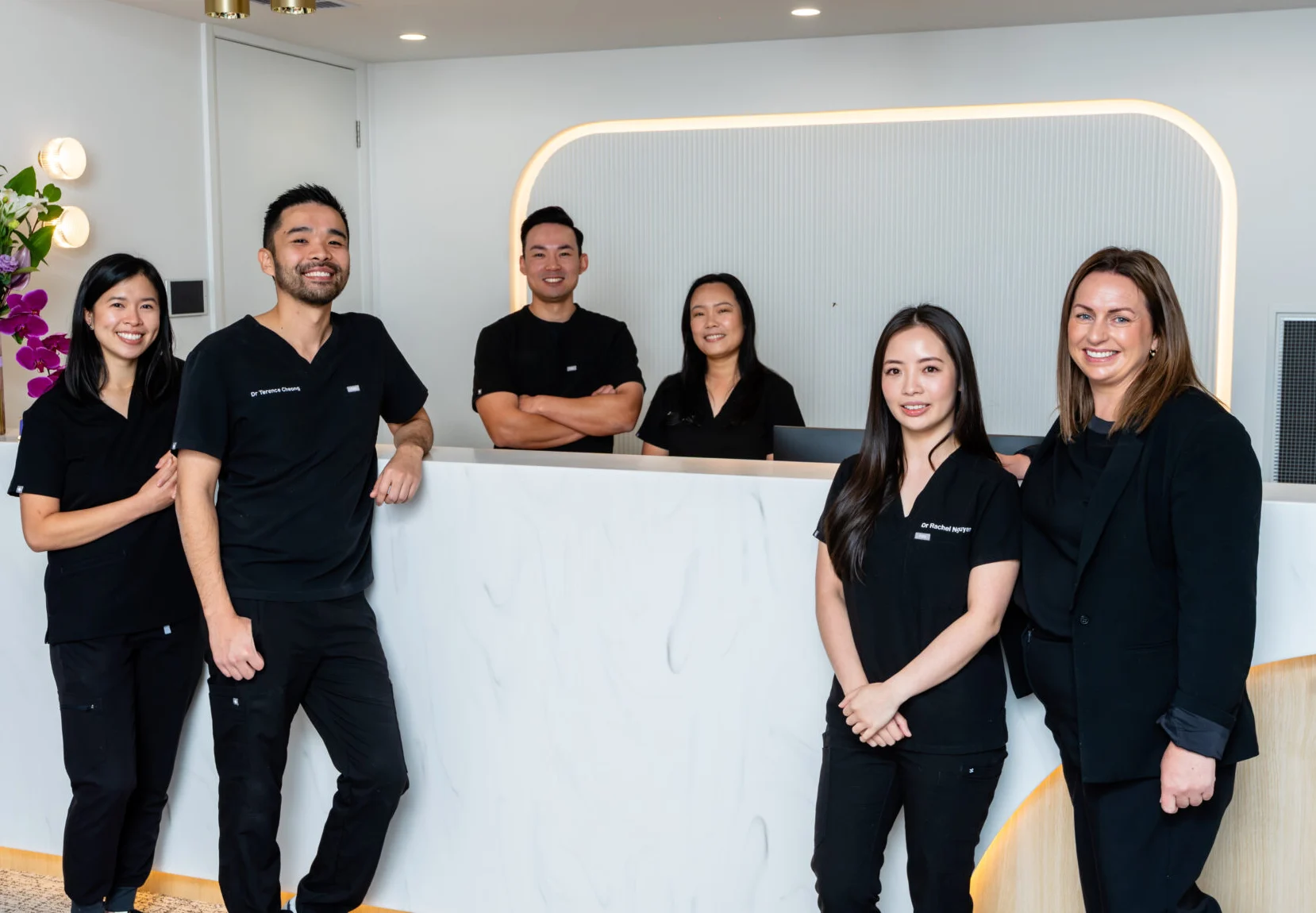
At Bacchus Marsh Dental House, appliances are fitted by Principal Dentist Dr Terence Cheong and our team of gentle dentists, who have cared for more than 39,000 families across Melbourne’s north west and hold a 4.9 rating from 720+ Google reviews. Treatment usually takes three to four weeks from scan to fitting, and follows a sleep study and diagnosis from your doctor or sleep physician.
You already know how the night goes. You wake up at 3am with a dry mouth. Your partner has moved to the spare room, or has started nudging you awake because you stopped breathing again. Mornings feel like you never actually slept.
Maybe you have a CPAP machine sitting in the cupboard because the mask never felt right. Maybe you have been told to get a sleep study and have quietly put it off. Either way, you are tired of being tired.
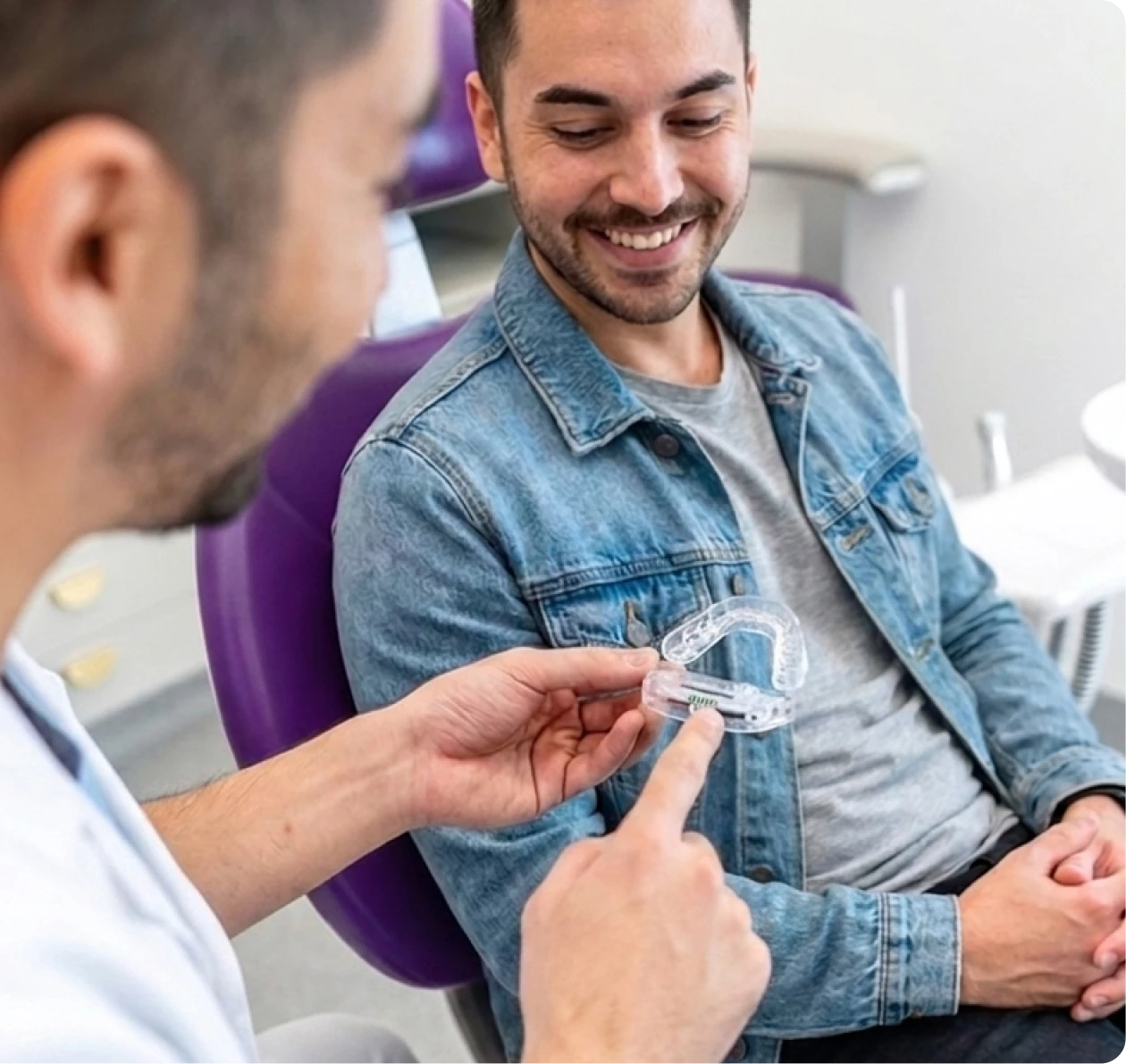
A sleep apnoea appliance is a small, custom-fitted device you wear like a mouthguard. No hose, no mask, no power point. For a lot of our Bacchus Marsh patients, it is the option they can actually live with, night after night.
Obstructive sleep apnoea happens when the soft tissue at the back of your throat collapses while you sleep, blocking the airway and interrupting your breathing. Snoring is often the first warning sign. Left untreated, sleep apnoea is linked to daytime fatigue, high blood pressure and heart problems.
A sleep apnoea appliance treats the blockage mechanically. It is a two-piece device, worn over your upper and lower teeth, that gently protrudes the lower jaw (moves it forward) and takes the tongue and soft palate with it. That extra few millimetres of space is often enough to keep the airway open through the night.
These devices are also called mandibular advancement splints, MAS or MAD devices, and oral appliance therapy. Everything is made from your own digital scans, so it is built for your bite rather than boiled to fit at home. The amount of jaw advancement is measured, checked with you for comfort, and can be adjusted later if your sleep physician asks for more.
The Australasian Sleep Association recognises oral appliance therapy as an accepted treatment for snoring and mild to moderate obstructive sleep apnoea, and as an alternative for people who cannot tolerate CPAP. Some patients use both, with the appliance for travel and CPAP at home.
At Bacchus Marsh Dental House we work alongside your GP and sleep physician rather than around them. We are not here to diagnose your sleep apnoea. We are here to build and manage the device that treats it, and to keep an eye on your teeth, bite and jaw joints while you wear it.
Most people who come to us say at least one of these things:
If two or three of those sound like your week, the next step is simple. Talk to your GP about a sleep study, then bring the results to us. If you have not been assessed yet, we can point you in the right direction first.

Obstructive sleep apnoea is diagnosed by a doctor or sleep physician, not by a dentist. If you already have a sleep study, bring a copy to your first appointment. If you do not, we will help you start that conversation with your GP.

Dr Terence Cheong or one of our gentle dentists will review your sleep study, examine your teeth, gums, bite and jaw joints, and check whether an oral appliance suits your mouth. You will leave with a written plan and a cost estimate before anything is made.

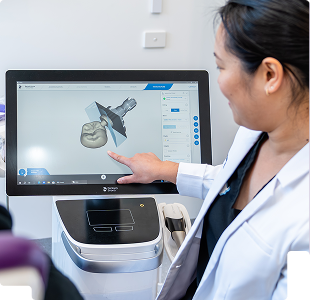
We take a digital scan of your upper and lower teeth, so there is no tray of impression material. Using a gauge, we work out the most effective forward position for your lower jaw and check that it feels comfortable to you before we commit to it.

Your scans go to the dental laboratory, where the appliance is made to your measurements. We will let you know which device we are recommending for you and why.

We fit the appliance, adjust it, and show you how to insert, remove and clean it. Expect it to feel bulky for the first few nights. Most people settle in within a week or two.

We review you a few weeks after fitting to check comfort, fit and your bite, and adjust the advancement if your sleep physician recommends it. Your doctor may arrange a follow up sleep study to confirm how well the device is working. After that, we check the appliance at your regular dental visits.
| Option | What it involves | Best suited to | Comfort and practicality |
|---|---|---|---|
| Sleep apnoea appliance (mandibular advancement splint) | Custom oral device worn at night, made from digital scans | Snoring and mild to moderate sleep apnoea, or people who cannot tolerate CPAP | No mask, hose or power. Travel friendly. Takes one to two weeks to get used to |
| CPAP therapy | Machine delivering pressurised air through a mask all night | Moderate to severe sleep apnoea, prescribed and titrated by a sleep physician | Highly effective when worn consistently, but many people struggle with the mask |
| Airway or jaw surgery | Surgical procedures on the soft palate, nose, tonsils or jaws | Specific anatomical blockages, or when other treatments have not worked | Involves recovery time and surgical risk. Requires specialist referral |
Oral appliance therapy is non surgical and reversible, but it is still a medical device worn in your mouth every night. Dr Terence Cheong will talk you through all of this at your consultation. Being honest about it up front is part of how we look after you.
Possible risks and side effects
Adjusting to your appliance
A sleep apnoea appliance manages the condition while you wear it. It is not a cure, and results differ from person to person depending on your anatomy, the severity of your sleep apnoea and how consistently you wear it.
Quality dental care is an investment in your long-term health and wellbeing. Download our comprehensive price guide today.
In almost all cases, yes. Obstructive sleep apnoea is diagnosed by a doctor or sleep physician using a sleep study, and that result tells us how much jaw advancement you are likely to need. Bring a copy of your study to your consultation at our Gisborne Road practice. If you have not had one yet, we will still see you, assess whether your mouth suits an appliance, and help you raise it with your GP. If your only concern is snoring with no sleep apnoea, an appliance may still be an option after assessment.
CPAP is generally the most effective treatment for moderate to severe obstructive sleep apnoea when it is worn every night. The Australasian Sleep Association recognises oral appliance therapy for snoring and mild to moderate sleep apnoea, and as an alternative for people who cannot tolerate CPAP. The catch with CPAP is that many people do not keep wearing it. A device you actually use every night can do more for you in practice, and your sleep physician can confirm the result with follow up testing.
It should not hurt. It feels bulky at first, and some people notice jaw or tooth tenderness in the mornings for the first week or two. That usually settles as your muscles adapt. If it is still uncomfortable after that, come back in and we will adjust it rather than leaving you to push through.
Fees depend on which device is right for you, so we quote you in writing after your consultation, before anything is made. Many private health funds contribute under dental or appliance items, and some patients are eligible for support through their sleep physician’s referral pathway. You can also download our price list, and we offer payment plan options at Bacchus Marsh Dental House.
Most appliances last around three to five years with daily wear. Heavy grinders wear through them faster. We check yours at your regular dental visits and let you know when it is losing fit or thinning, rather than waiting for it to break.
The information on this page is intended for general educational purposes only and should not be considered a substitute for professional dental or medical advice. Obstructive sleep apnoea is diagnosed by a medical practitioner or sleep physician. Treatment outcomes vary between individuals. Please consult Dr Terence Cheong or one of our qualified dentists at Bacchus Marsh Dental House for personalised advice about your dental health.
Disclaimer: The material posted is for informational purposes only and is not intended to substitute for professional medical advice, diagnosis or treatment. Results vary with each patient. Any dental procedure carries risks and benefits. If you have any specific questions about any dental and/or medical matter, you should consult your dentist, physician or other professional healthcare providers.
Medically Reviewed by Dr Terence Cheong
Last Reviewed: 13 August 2026