

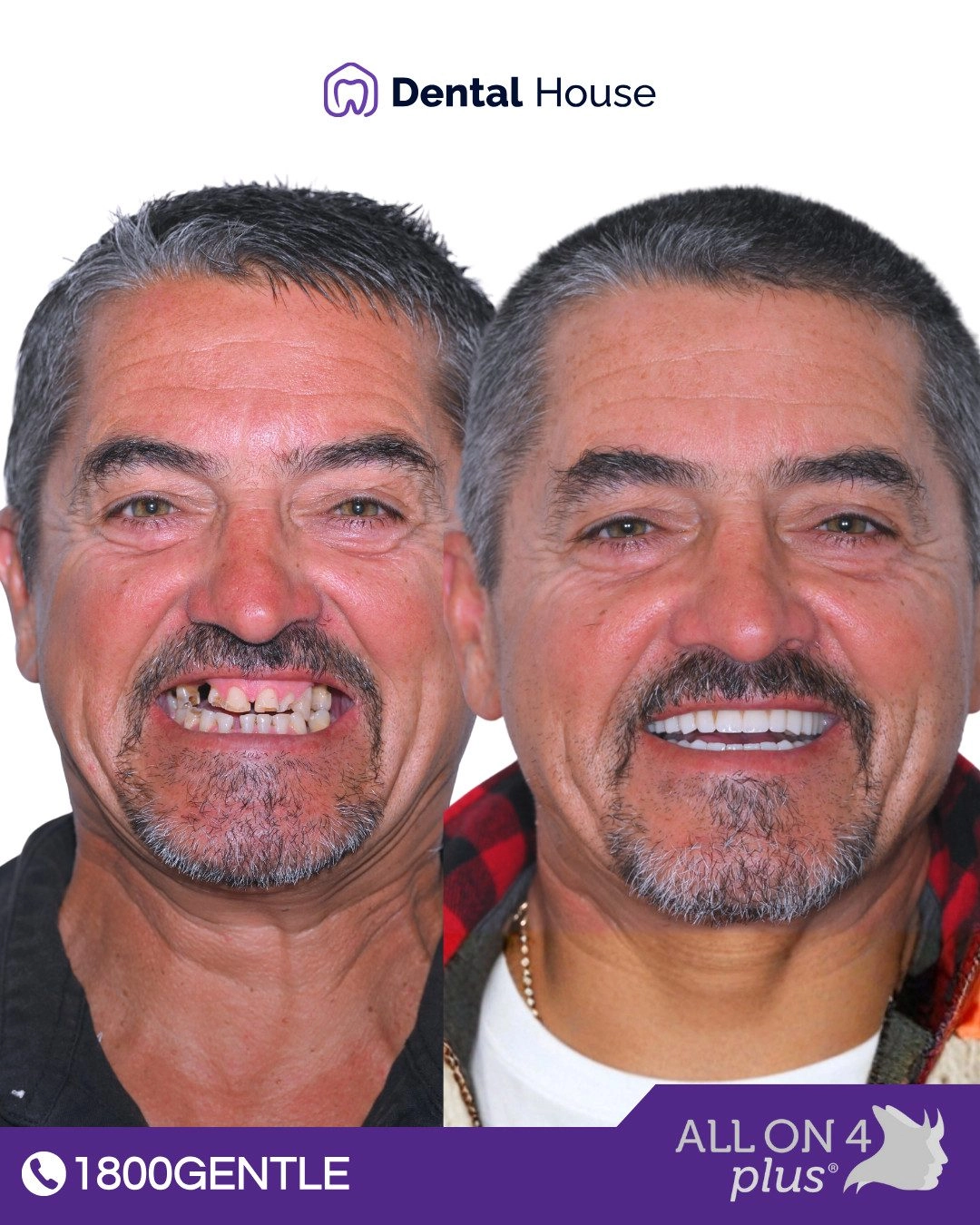
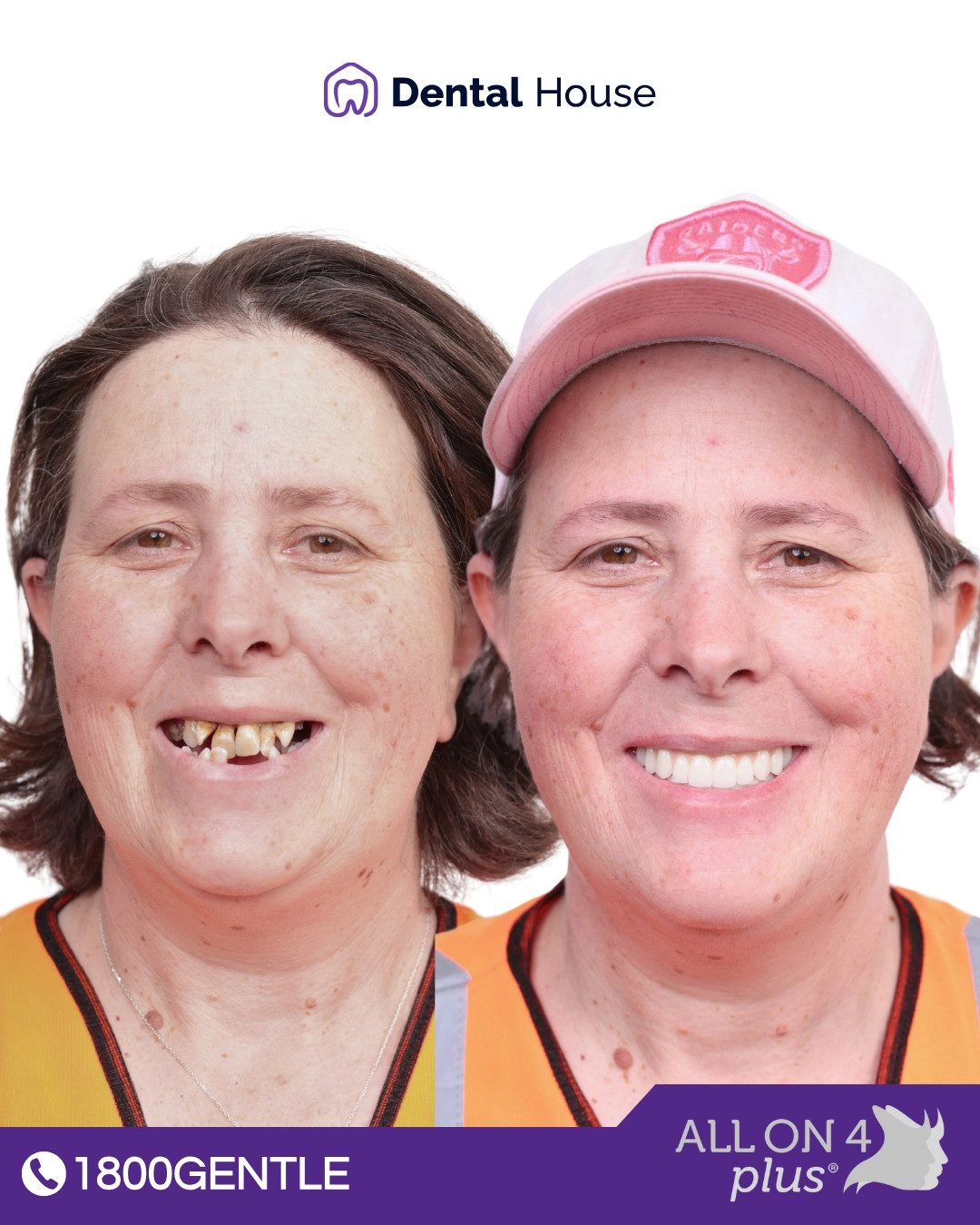
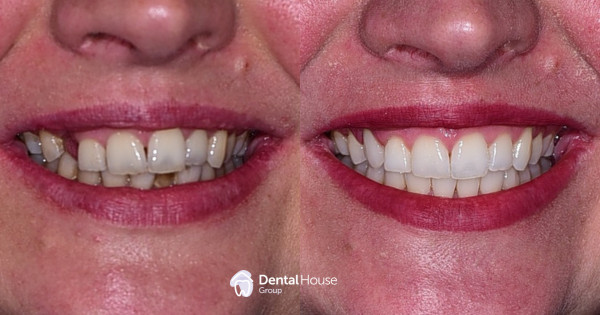
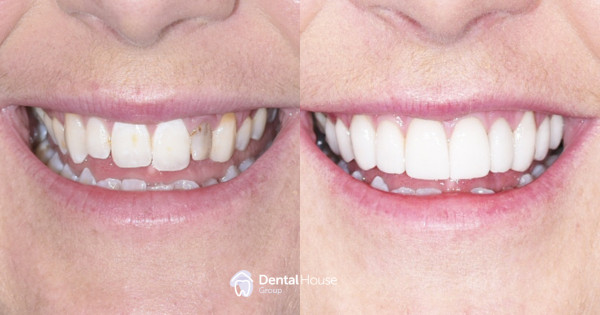

When you’re facing tooth loss, understanding your replacement options can feel overwhelming. Dentures represent one of the most established tooth replacement solutions, but not all dentures are the same. Knowing the differences between the main types of dentures – full and partial – helps you have more informed conversations with your dental team.
At Bacchus Marsh Dental House, we help patients from Bacchus Marsh, Melton, and Ballan navigate these decisions regularly. The choice between different types of dentures depends on how many teeth you’re missing, the condition of any remaining teeth, and your individual needs.
Let’s break down what distinguishes full dentures from partial dentures.
Understanding Full Dentures
Full dentures, sometimes called complete dentures, replace all the teeth in either your upper arch, lower arch, or both. They’re designed for people who have lost all their natural teeth in one or both jaws.
These dentures consist of a gum-coloured acrylic base that sits over your gums. The upper denture covers the roof of your mouth, whilst the lower denture is shaped like a horseshoe to accommodate your tongue. Artificial teeth attached to this base are designed to look and function like natural teeth.
Full dentures rely on suction and the natural contours of your mouth to stay in place. Upper dentures typically stay in place more easily due to the larger surface area. Lower dentures can be trickier as they have less surface area and must work around tongue movement.
Getting to Know Partial Dentures
Partial dentures are designed for people who still have some healthy natural teeth remaining. These types of dentures fill the gaps left by missing teeth whilst your existing teeth stay in place.
A partial denture typically consists of replacement teeth attached to a gum-coloured plastic base connected by a metal framework or flexible material. Small clasps attach to your natural teeth to hold the partial denture securely.
The structure varies depending on how many teeth you’re missing and where those gaps are located. Some partials replace just one or two teeth, whilst others might replace several teeth across different areas of your mouth.
Key Functional Differences
The way these two types of dentures function in daily life differs significantly. Full dentures cover more of your mouth, which can take some getting used to. The upper denture covering your palate might initially affect your ability to taste food or sense temperature.
Partial dentures work alongside your remaining natural teeth, which means they don’t cover as much of your mouth’s surfaces. This can feel less intrusive for some people. However, partial dentures require healthy natural teeth to attach to.
Stability varies between the two types of dentures. Full dentures rely entirely on suction and fit against your gums, whilst partial dentures gain additional stability from attachments to your natural teeth.
Eating, Speaking, and Daily Life
Both types of dentures require some adjustment period when it comes to eating and speaking. With full dentures, you’re learning to eat and speak without any natural teeth, which can feel quite different initially. Starting with softer foods and gradually working up to harder items is typically recommended.
Partial dentures might feel more familiar since you still have some natural teeth, but there’s still an adjustment period. The clasps and framework need time to feel normal in your mouth.
Speaking clearly with new dentures takes practice regardless of type. Full dentures can initially affect pronunciation, particularly for certain sounds. Reading aloud and practising conversation helps your mouth adjust.
Maintenance and Care Requirements
Daily care routines differ slightly between full and partial dentures. Both types of dentures need to be removed and cleaned daily, but the specifics vary.
Full dentures should be removed at night, cleaned thoroughly, and stored in water or denture solution. This gives your gum tissues time to rest and helps maintain the denture material. Your gums should also be cleaned daily to remove plaque and stimulate circulation.
Partial dentures also need daily cleaning, but you’ve got the added responsibility of maintaining your natural teeth too. The teeth that the partial denture attaches to require particularly careful cleaning, as plaque can accumulate around the clasps.
Both types of dentures typically need replacement every 5-7 years, though this varies based on individual factors. Your jawbone gradually changes shape over time, which affects how well dentures fit. Regular adjustments and relines can extend the life of your dentures.
Making the Choice
Here’s the thing: often the choice between full and partial dentures isn’t really a choice at all – it’s determined by how many teeth you have remaining. If you have no natural teeth left, full dentures are your denture option. If you still have some healthy teeth, partial dentures might be possible.
However, there are situations where you might have teeth remaining but full dentures are recommended. This typically happens when remaining teeth are severely compromised and unlikely to provide adequate support for partial dentures.
Your dental professional can assess your specific situation, including the health of remaining teeth, bone structure, and overall oral health, to recommend which types of dentures might be most appropriate.
Generally speaking, full dentures tend to be more expensive initially than partial dentures, though costs vary based on materials and complexity. Long-term costs include regular adjustments, relines, and eventual replacement for both types.
Beyond Traditional Options
It’s worth knowing that traditional full and partial dentures aren’t your only options. Implant-supported dentures combine dental implants with denture prosthetics for improved stability. Flexible partial dentures offer a metal-free alternative to traditional partial dentures.
These alternatives might suit different situations, and discussing the full range of options with your dental team helps ensure you’re aware of everything available.
What Matters Most for Your Situation
The “best” type of denture depends entirely on your individual circumstances. How many teeth do you have remaining? What’s the condition of those teeth? What’s your budget? These questions all factor into finding the right solution.
At Bacchus Marsh Dental House, we take time to understand your specific situation and discuss which types of dentures might work best for you. Whether you need full dentures, partial dentures, or want to explore other options, we’re here to help navigate these decisions.
Trying to figure out which type of denture might be right for you? Contact Bacchus Marsh Dental House at (03) 5315 2777 to schedule a consultation. We’ll assess your situation and discuss the options that make sense for your needs.
Frequently Asked Questions
Can I sleep with my dentures in?
Most dental professionals recommend removing dentures at night to give your gum tissues time to rest and recover. This practice also helps maintain better oral health and extends the life of your dentures. However, specific recommendations may vary based on individual circumstances.
How long does it take to adjust to new dentures?
Adjustment periods vary between individuals, but most people need several weeks to become comfortable with new dentures. Full dentures typically require a longer adjustment period than partial dentures since they involve more significant changes to your mouth. Patience and practice help considerably during this transition.
Will people be able to tell I’m wearing dentures?
Modern dentures are designed to look natural, and most people won’t notice you’re wearing them. The appearance depends on factors like the quality of the dentures, how well they fit, and how long you’ve been wearing them. As you become more comfortable with your dentures, they’ll feel and appear more natural.
Note: All content and media on the Bacchus Marsh Dental House website and social media channels are created and published online for informational purposes only. It is not intended to be a substitute for professional medical advice and should not be relied on as health or personal advice.