

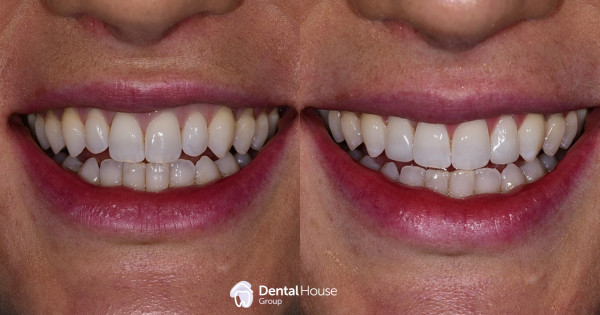
Polly from Bacchus Marsh sat in our consultation room last month, gently touching her back molar. “This crown is fifteen years old,” she said. “My friend’s crown failed after eight years, but mine still feels perfect. How long should I expect it to last?”
It’s one of the most practical questions we hear at Bacchus Marsh Dental House, and the answer isn’t as straightforward as you might think. Polly’s crown could easily last another decade with proper care, whilst another patient might need replacement sooner despite having identical treatment. The dental crown lifespan depends on numerous factors, many of which are entirely within your control.
According to Australian dental research, the average dental crown lasts between 10-15 years, but this statistic only tells part of the story. We’ve seen crowns function beautifully for over 25 years, whilst others need attention much sooner. If you’re living in Bacchus Marsh, Melton, or Ballan and considering crown treatment, understanding what influences crown longevity will help you make the most of your investment.
What Actually Determines Your Crown’s Lifespan
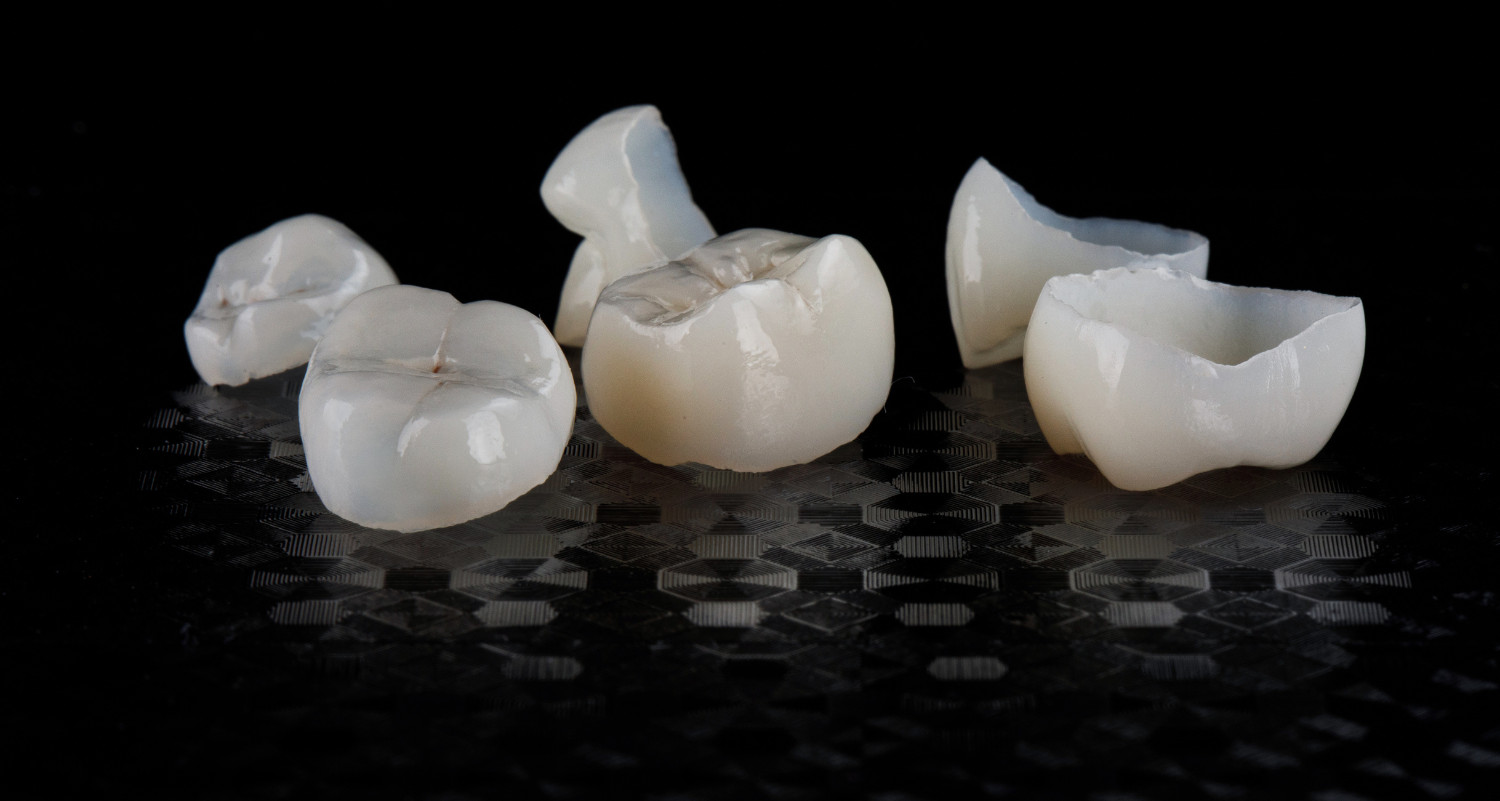
The material your crown is made from plays a significant role in its durability. Modern crowns are crafted from various materials, each with distinct advantages. Porcelain-fused-to-metal crowns typically last 10-15 years, whilst all-ceramic crowns can function well for 15-20 years with proper care. Gold crowns, though less popular for aesthetic reasons, can last 20+ years due to their exceptional durability.
However, the crown material is just the foundation. Your oral hygiene habits, diet, and lifestyle choices have enormous impact on dental crown lifespan. Patients who maintain excellent oral hygiene and attend regular check-ups consistently see their crowns last longer than average.
Your bite pattern and jaw function also matter significantly. If you grind your teeth at night, clench during stress, or use your teeth as tools, your crown will experience additional stress that can shorten its lifespan. These habits don’t automatically doom your crown, but they do require management through night guards or behaviour modification.
The skill and experience of your dental team affects longevity as well. Precise preparation, proper fit, and high-quality bonding techniques create the foundation for a crown that will serve you well for decades.
The Daily Habits That Make or Break Crown Longevity
Your daily routine has more influence on dental crown lifespan than any other factor. Excellent oral hygiene isn’t just about preventing gum disease around your crown; it’s about maintaining the health of the underlying tooth structure that supports it.
Brushing twice daily with fluoride toothpaste and flossing around your crown removes the bacteria that can cause decay at the crown margin. This junction between your crown and natural tooth is the most vulnerable area, and proper cleaning here is essential for long-term success.
Regular dental visits aren’t just recommended; they’re crucial for crown longevity. During these appointments, we can identify potential problems before they become serious. Small adjustments to your bite, professional cleaning around the crown margins, and early detection of any issues can add years to your crown’s functional life.
Your dietary choices also play a role. Whilst modern crowns are quite durable, consistently chewing ice, biting fingernails, or using your teeth to open packages creates unnecessary stress. Similarly, frequent consumption of acidic drinks can affect the cement holding your crown in place over time.
When Crown Problems Actually Develop
Understanding how crowns typically fail helps you recognise potential issues early. The most common problem isn’t crown fracture; it’s decay developing around the crown margins where your natural tooth meets the restoration.
This decay process, called secondary caries, develops when bacteria accumulate in areas that are difficult to clean properly. It’s entirely preventable with good oral hygiene, but once it starts, it can progress quickly and compromise the entire restoration.
Crown loosening is another issue that develops gradually. The cement holding your crown in place can deteriorate over time, especially if subjected to excessive forces or acid exposure. Early signs include sensitivity, a different feeling when biting, or food getting stuck around the crown.
Gum recession around crowns can also create problems. As gums recede with age, the crown margin may become visible, affecting both appearance and potentially creating areas where bacteria can accumulate.
Physical damage to crowns, whilst less common, does occur. Chips in porcelain crowns can sometimes be repaired, whilst more extensive damage typically requires replacement. The key is having any damage assessed promptly to prevent further complications.
Maximising Your Crown Investment
The good news about dental crown lifespan is that you have significant control over how long your crown lasts. Patients who follow proper care protocols consistently see their crowns exceed average lifespan expectations.
Night guards are essential if you grind or clench your teeth. This simple appliance protects your crown from excessive forces during sleep, potentially adding years to its functional life. Many patients report that their night guard also reduces jaw tension and improves sleep quality.
Maintaining excellent oral health throughout your mouth supports crown longevity. Gum disease doesn’t just affect your natural teeth; it can also compromise the tissues supporting your crowned tooth. Regular professional cleanings and diligent home care keep your entire mouth healthy.
Managing underlying health conditions that affect oral health also matters. Conditions like diabetes can affect healing and increase infection risk, whilst certain medications can cause dry mouth that increases decay risk.
Signs It’s Time to Consider Crown Replacement
Knowing when to replace a crown isn’t always obvious. Some signs are clear indicators that replacement is needed, whilst others require professional evaluation.
Persistent sensitivity around a crown, especially to cold or sweet foods, can indicate problems with the underlying tooth or crown fit. This doesn’t automatically mean replacement is needed, but it does require prompt evaluation.
Changes in how your crown feels when biting or chewing often indicate problems. A crown that feels “high” or creates an uneven bite may need adjustment, whilst one that feels loose requires immediate attention.
Visible changes in your crown or the surrounding gum tissue should be evaluated. Darkening at the gum line, chips in the crown surface, or persistent swelling around the crown area all warrant professional assessment.
Bad taste or odour around a crown can indicate bacterial accumulation or underlying problems. These symptoms often develop gradually, so patients sometimes adapt without realising there’s an issue.
Making Your Crown Last a Lifetime
Whilst no dental restoration truly lasts forever, many patients achieve remarkable longevity with their crowns through consistent care and regular maintenance. The patients who see their crowns last 20+ years share common habits: excellent daily hygiene, regular dental visits, protective night guards when needed, and prompt attention to any concerns.
Your crown represents a significant investment in your oral health and quality of life. With proper care, that investment can provide decades of comfortable function and attractive appearance. The key is understanding that crown longevity isn’t just about the restoration itself; it’s about maintaining the entire oral environment that supports it.
At Bacchus Marsh Dental House, we’re committed to helping you maximise your crown investment through quality treatment, comprehensive aftercare guidance, and ongoing support throughout your crown’s lifespan. We offer both traditional crowns and same-day CEREC crowns, allowing us to provide the best solution for your specific needs and timeline.
Don’t wait until problems develop to think about crown care. Whether you’re considering crown treatment or want to ensure your existing crown lasts as long as possible, contact Bacchus Marsh Dental House today. Call us at 03 5315 2777 or complete our enquiry form to schedule your consultation and learn how to maximise your dental crown lifespan.
Frequently Asked Questions
Q: Can a dental crown last 30 years or more?
A: Yes, it’s possible though not typical. We’ve seen crowns function well for 25-30 years in patients with excellent oral hygiene, regular dental care, and favourable oral conditions. Gold crowns tend to have the longest lifespan, whilst porcelain crowns in low-stress areas can also achieve exceptional longevity. The key factors are quality initial placement, consistent maintenance, and avoiding habits that stress the restoration.
Q: What’s the main reason dental crowns need replacement?
A: The most common reason for crown replacement is decay developing around the crown margins where the restoration meets your natural tooth. This is entirely preventable with proper oral hygiene and regular dental visits. Other common reasons include crown loosening due to cement failure, physical damage from trauma or grinding, and gum recession that affects the crown’s appearance or function.
Q: How often should I have my dental crown checked?
A: Your crown should be evaluated at every regular dental visit, typically every six months. However, if you experience any changes in how your crown feels, looks, or functions, schedule an appointment immediately. Early detection of potential problems can often extend your crown’s lifespan significantly. We also recommend annual bite evaluations to ensure your crown isn’t experiencing excessive forces.
Note: All content and media on the Bacchus Marsh Dental House website and social media channels are created and published online for informational purposes only. It is not intended to be a substitute for professional medical advice and should not be relied on as health or personal advice.