


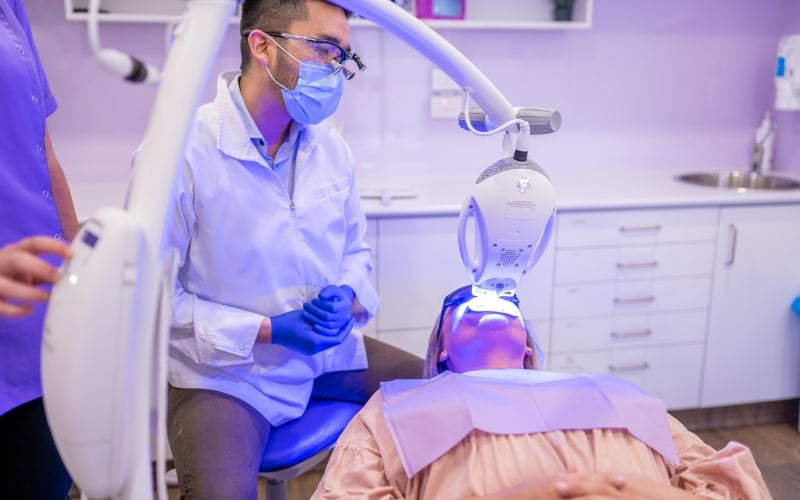
If you’ve had professional teeth whitening and loved the results, you might be wondering how often you can repeat the treatment to maintain that bright smile. Understanding how often to whiten teeth safely helps protect your dental health whilst achieving the aesthetic results you’re after.
At Bacchus Marsh Dental House, we frequently discuss whitening frequency with patients from Bacchus Marsh, Melton, and Ballan who want to maintain bright smiles without compromising tooth health. The answer isn’t one-size-fits-all, but there are general principles that guide safe whitening practices.
Let’s explore what influences how often you can safely whiten your teeth.
Understanding Professional Teeth Whitening
Professional teeth whitening uses stronger concentrations of bleaching agents than over-the-counter products, which is why it produces more noticeable results. The most common active ingredient is hydrogen peroxide or carbamide peroxide, which breaks down stains in tooth enamel.
These bleaching agents work by penetrating the enamel and oxidising coloured compounds. This process is generally safe when performed correctly, but it temporarily affects tooth enamel in ways that influence how often to whiten teeth.
General Frequency Guidelines
Most dental professionals suggest waiting at least 6-12 months between professional whitening treatments. This timeframe allows tooth enamel to recover and remineralise after the whitening process.
However, this is a general guideline rather than a strict rule. Individual circumstances can affect whether you might whiten more or less frequently. Some people might safely whiten annually, whilst others might need to wait longer between treatments.
Factors That Influence Whitening Frequency
Your Natural Tooth Sensitivity
If you experience significant sensitivity during or after whitening, you might need longer intervals between treatments. Tooth sensitivity indicates that the whitening process is affecting the nerve tissue within your teeth.
People with naturally sensitive teeth often need to be more conservative about whitening frequency, allowing extra time between treatments for sensitivity to fully resolve.
Current Tooth and Gum Health
How often to whiten teeth depends partly on your overall oral health. Healthy teeth with intact enamel can typically tolerate whitening better than teeth with existing issues.
Active gum disease, tooth decay, or other dental problems need to be addressed before any whitening treatment. These conditions may also affect how frequently you can safely whiten once resolved.
Your Lifestyle and Diet
What you eat and drink significantly impacts how long whitening results last. If you regularly consume staining substances like coffee, tea, red wine, or tobacco products, your teeth may discolour more quickly.
However, wanting to whiten more frequently because of lifestyle factors doesn’t necessarily mean you should. It’s often better to modify habits that cause staining or use maintenance products between professional treatments.
Signs You’re Whitening Too Often
Certain indicators suggest you might need to extend the time between whitening treatments. Increased tooth sensitivity that doesn’t resolve between treatments indicates your teeth need more recovery time. This sensitivity might manifest as discomfort with hot, cold, or sweet foods and drinks.
Changes in tooth texture, such as a chalky appearance or rough feeling, can suggest over-whitening. Your enamel may appear more translucent at the edges of teeth, particularly front teeth, which can indicate excessive whitening.
Gum irritation that persists or worsens with repeated whitening suggests you need longer intervals between treatments or should discontinue whitening altogether until the issue resolves.
Maintaining Results Between Whitening Treatments
Rather than increasing whitening frequency, focusing on maintenance can extend the time between professional treatments. Good oral hygiene practices – brushing twice daily, flossing, and regular professional cleanings – help maintain whitening results.
Using whitening toothpaste between professional treatments can help slow the return of surface stains. These products contain mild abrasives and sometimes low concentrations of bleaching agents that can help maintain brightness.
Touch-up treatments with dentist-provided take-home whitening kits can extend the life of your professional whitening results. These typically use lower concentrations than in-office treatments and may be suitable for periodic use between major whitening sessions.
Being mindful about staining beverages and foods helps preserve results. If you do consume staining substances, rinsing with water afterwards can minimise their impact.
Special Circumstances
Some situations require particularly careful consideration about whitening frequency. If you have existing dental restorations like crowns, veneers, or fillings, understand that these don’t respond to whitening treatments. Frequent whitening of natural teeth can create colour mismatches with restorations.
People with intrinsic staining from medications, fluorosis, or other causes may be tempted to whiten frequently when results aren’t as dramatic. However, these types of discolouration often respond less predictably to whitening, and increasing frequency isn’t necessarily the solution.
Younger patients with teeth that haven’t fully matured may need different guidelines for how often to whiten teeth. Dental professionals typically recommend waiting until at least mid-to-late teens before beginning whitening treatments.
Professional Guidance and Monitoring
Regular dental check-ups allow your dental professional to assess whether your whitening frequency is appropriate for your oral health. They can identify early signs of problems related to whitening and adjust your treatment plan accordingly.
Your dental team can also evaluate why your results aren’t lasting as long as expected and suggest alternatives to simply increasing whitening frequency. Sometimes addressing underlying issues like tooth surface roughness through polishing, or managing habits that cause staining, proves more effective than more frequent whitening.
Alternative Approaches
If you find yourself wanting to whiten very frequently, it’s worth exploring why results aren’t lasting and whether alternative approaches might be more appropriate. For some people, dental veneers or bonding might provide longer-lasting aesthetic results than frequent whitening cycles.
Professional cleaning and polishing remove surface stains and can brighten teeth without the bleaching process. These can be performed more frequently than whitening treatments and might satisfy your desire for a brighter smile between whitening sessions.
Finding Your Optimal Frequency
Determining how often to whiten teeth is ultimately an individual decision made in consultation with your dental professional. They can assess your specific circumstances, monitor your tooth health over time, and provide personalised recommendations.
What works well for one person might not be appropriate for another, even with similar starting points. Your dental professional can help you find the balance between maintaining the bright smile you want and protecting your long-term dental health.
At Bacchus Marsh Dental House, we work with each patient to develop whitening plans that achieve desired results whilst prioritising tooth health. Understanding safe frequencies and alternatives helps ensure you maintain both a bright smile and healthy teeth.
Curious about how often you should whiten your teeth based on your specific situation? Contact Bacchus Marsh Dental House at (03) 5315 2777 to discuss personalised whitening recommendations. We’ll assess your dental health and help you develop a safe, effective whitening plan.
Frequently Asked Questions
Can I whiten my teeth every month?
Monthly whitening is generally not recommended for most people. The typical recommendation is to wait at least 6-12 months between professional whitening treatments to allow adequate recovery time for tooth enamel. More frequent whitening can increase the risk of sensitivity and potential enamel damage.
Will frequent whitening damage my teeth permanently?
When performed according to professional guidelines, teeth whitening is generally safe and doesn’t cause permanent damage. However, excessively frequent whitening may lead to increased sensitivity, enamel weakening, or other issues. Following recommended frequency guidelines and professional advice helps minimise risks.
What should I do if whitening results don’t last long?
If your whitening results fade quickly, several factors might be involved including diet, oral hygiene, or the presence of intrinsic staining. Rather than increasing whitening frequency, discuss the issue with your dental professional who can help identify the cause and suggest appropriate solutions such as maintenance products, lifestyle modifications, or alternative treatments.
Note: All content and media on the Bacchus Marsh Dental House website and social media channels are created and published online for informational purposes only. It is not intended to be a substitute for professional medical advice and should not be relied on as health or personal advice.