

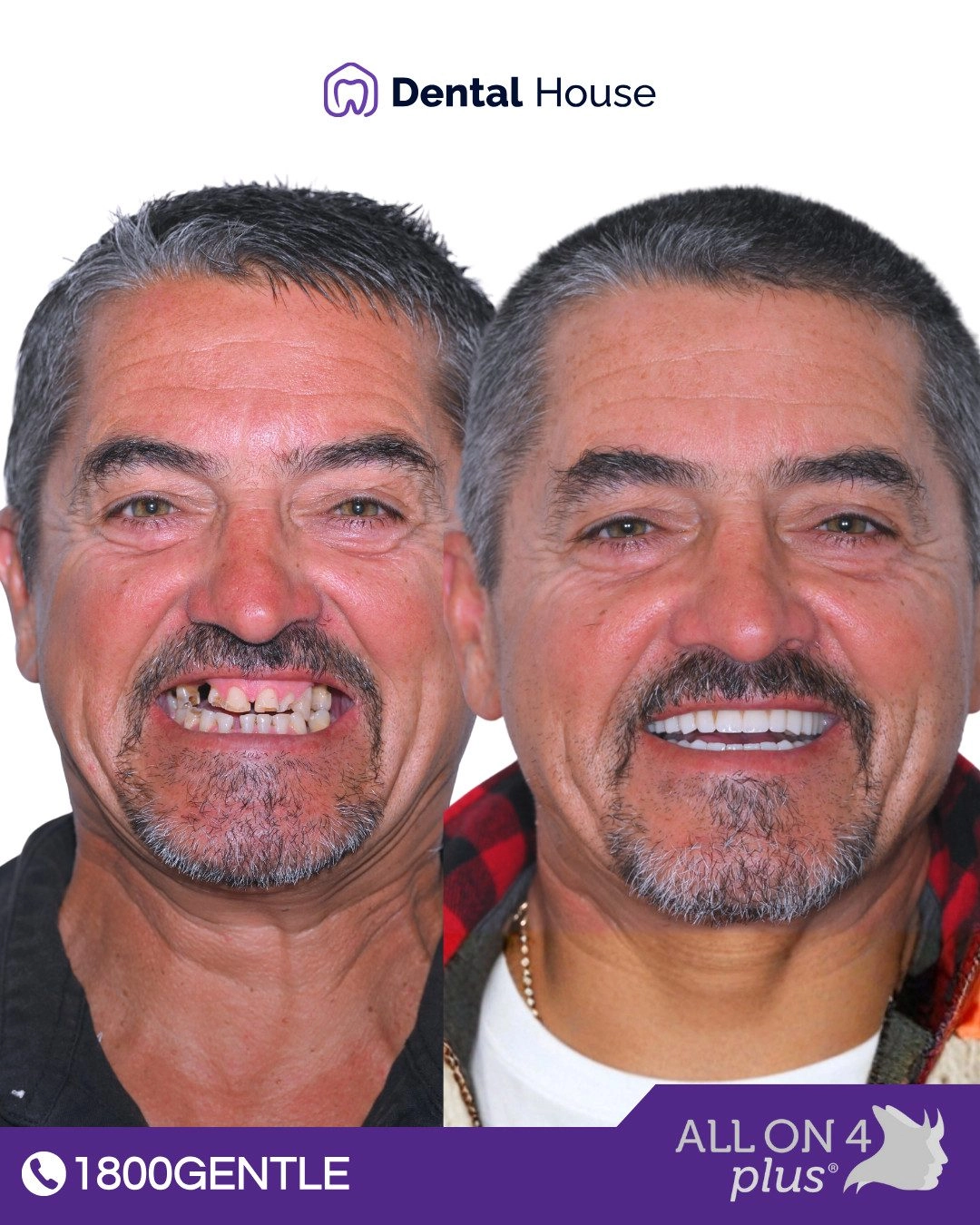
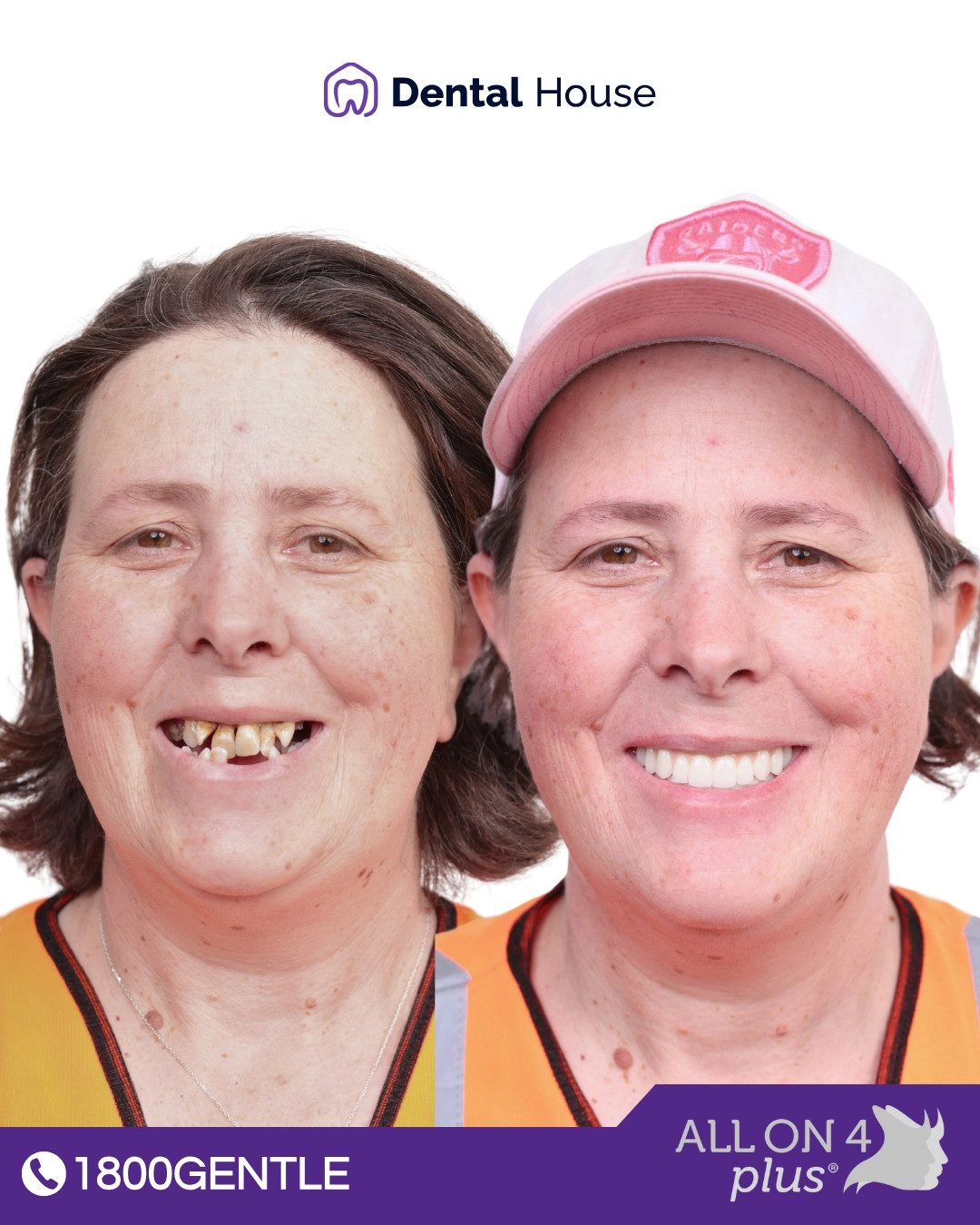
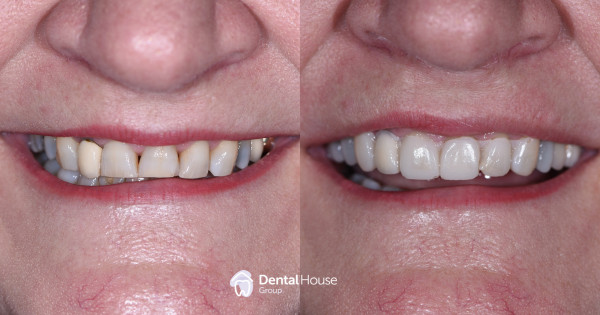
Can dental implants and porcelain crowns replace missing teeth and address fracture risk in Sunbury?
Presenting Concerns
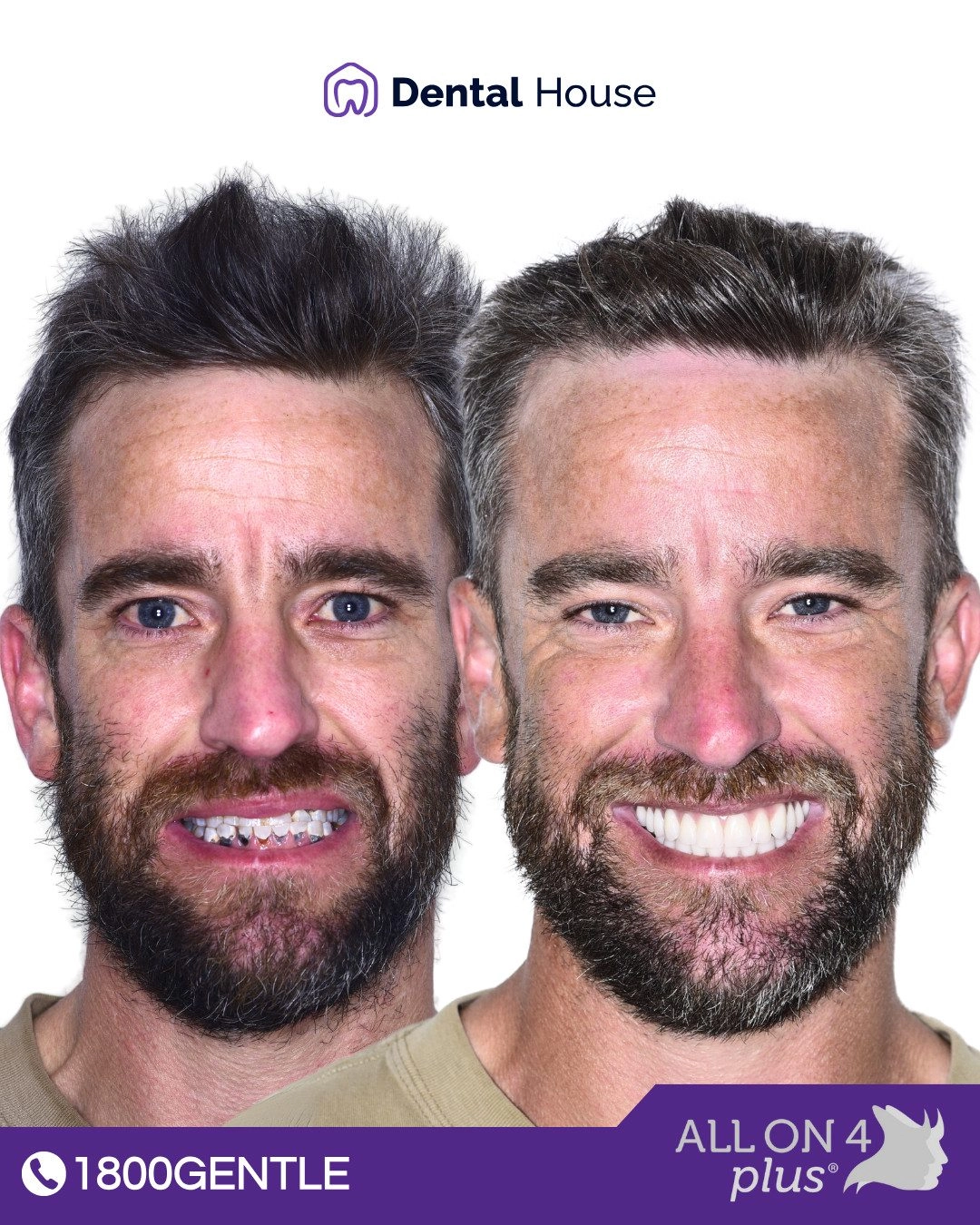
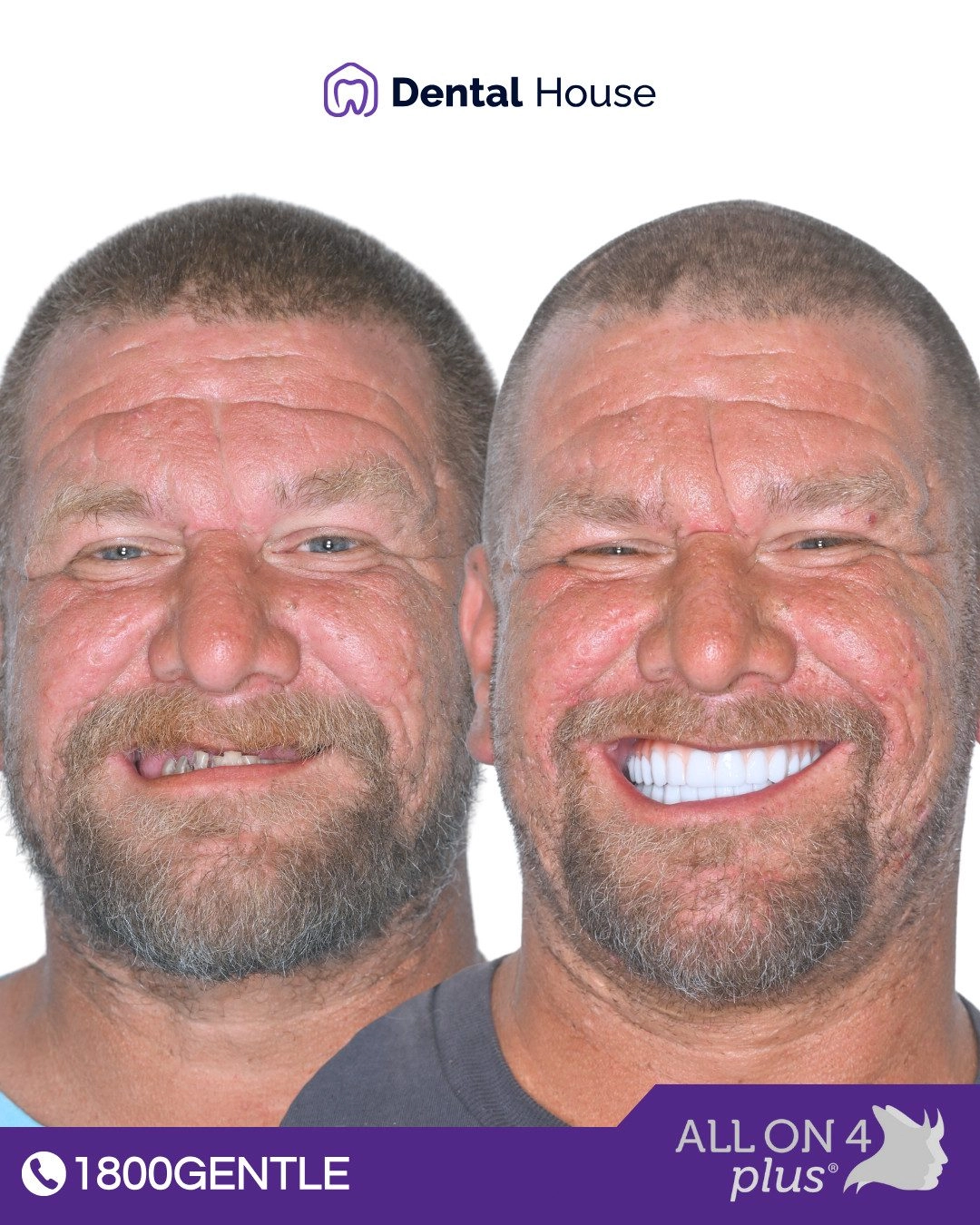
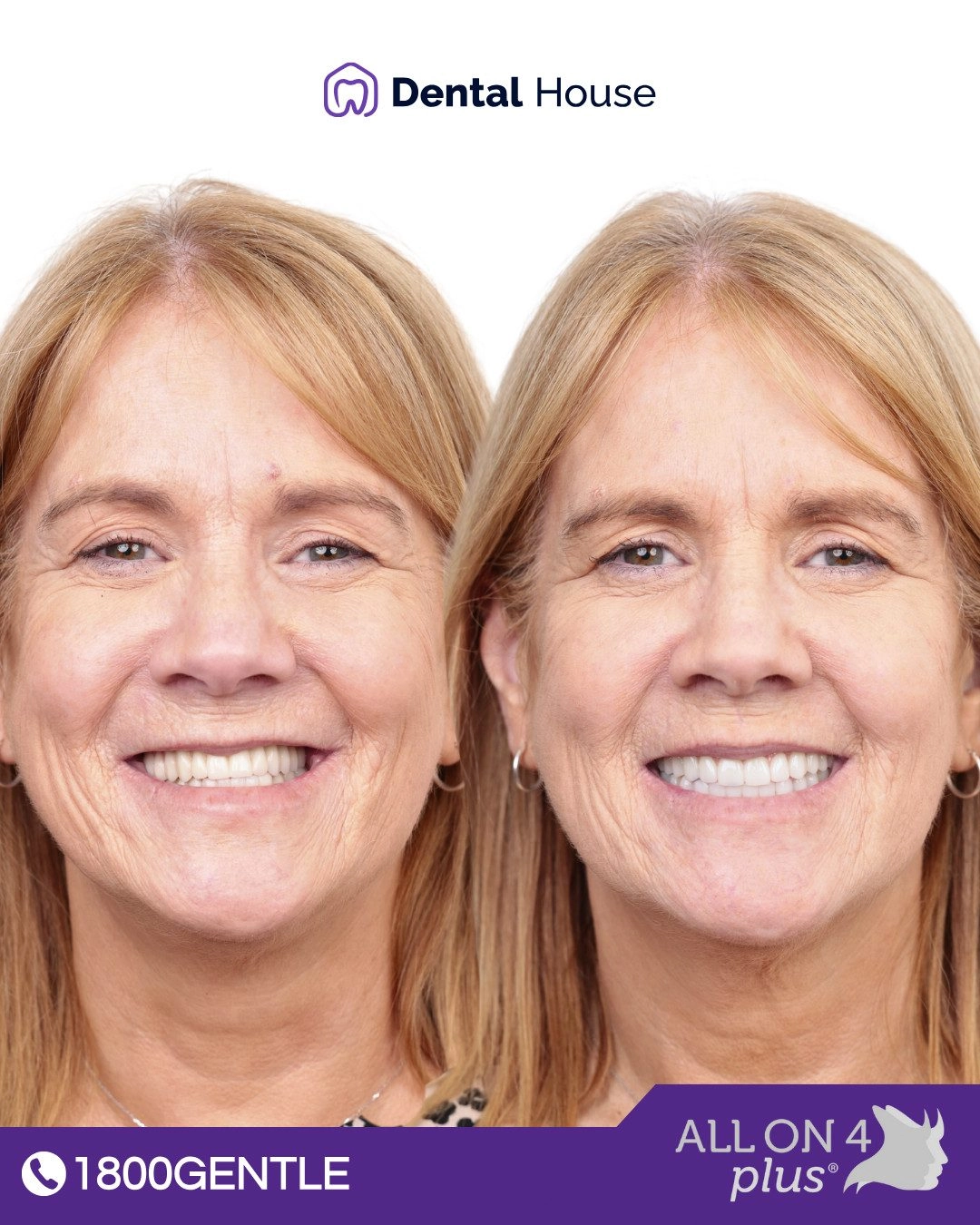
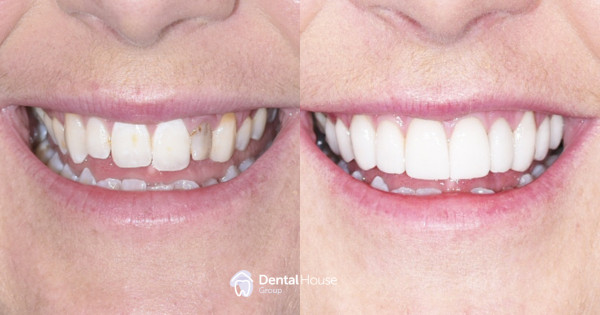
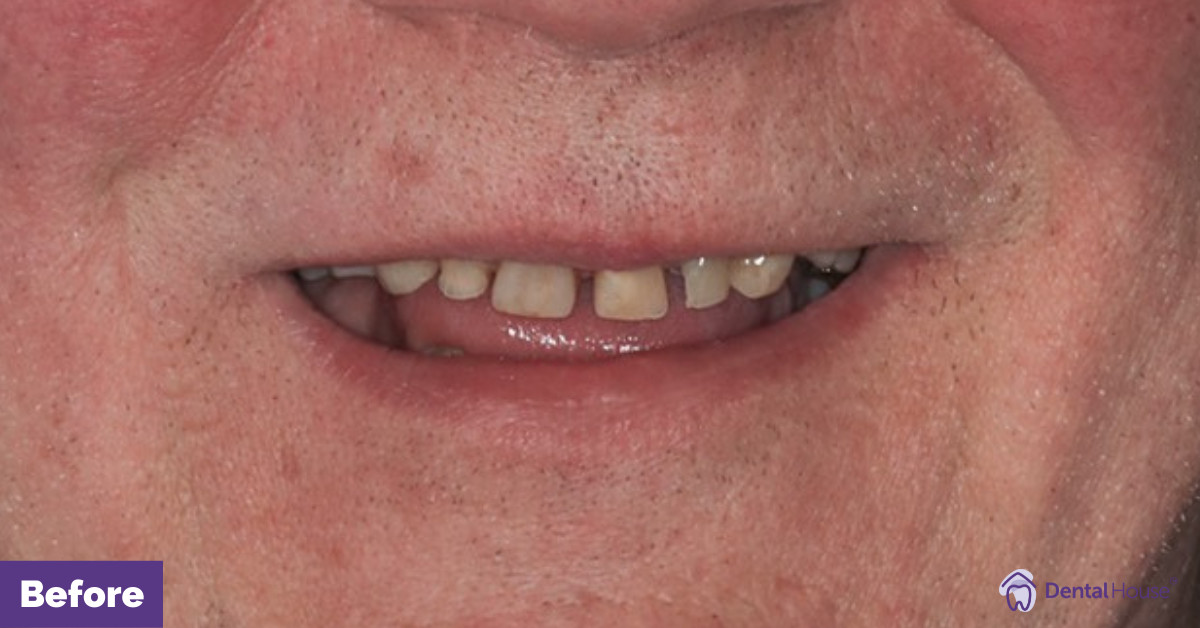
The patient presented with multiple missing back teeth and upper teeth that had become fragile and prone to breaking.
- Tooth Fracture Risk: Upper teeth showing structural compromise, with a history of fracturing under normal use
- Multiple Missing Teeth: Several back teeth absent from the mouth, reducing chewing function on both sides
- Compromised Bite Function: Difficulty chewing comfortably due to the gaps from missing back teeth
- Long-term Stability: Concern about the dentition deteriorating further without restorative intervention
The primary clinical objective was to replace the missing back teeth with implant-supported restorations and protect the remaining upper teeth with full porcelain crowns.
Treatment Plan and Process
A combined approach addressed the missing back teeth and the compromised upper teeth in a coordinated sequence.
Phase 1: Assessment: A thorough examination assessed the extent of the missing teeth, the condition of the upper teeth, and the suitability of the jawbone for implant placement. A treatment plan was confirmed based on the findings.
Phase 2: Implant Placement: Implants were placed at the sites of the missing back teeth. A healing period allowed the implants to integrate fully with the surrounding bone before the prosthetic teeth were attached.
Phase 3: Implant-Supported Restoration: Prosthetic teeth were attached to the integrated implants, replacing the missing back teeth and re-establishing effective chewing function on both sides.
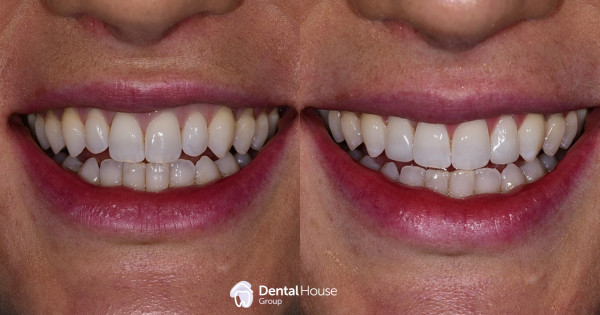
Phase 4: Porcelain Crowns: The remaining upper teeth were restored with full porcelain crowns to address the structural compromise and reduce the risk of further breakage.
Clinical Outcome
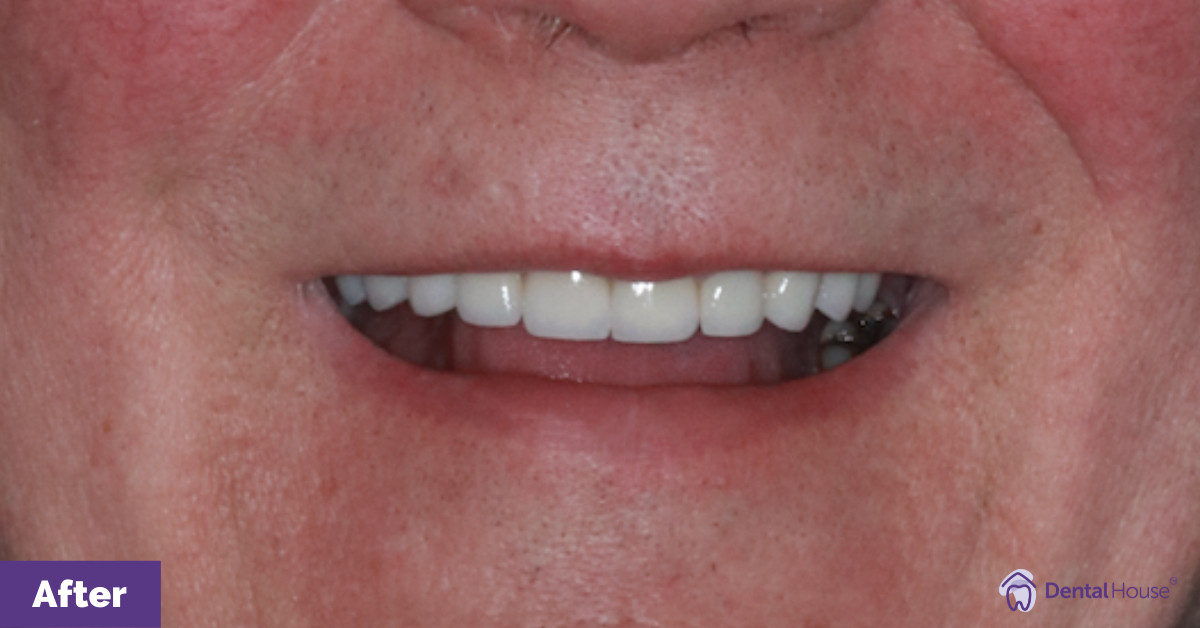
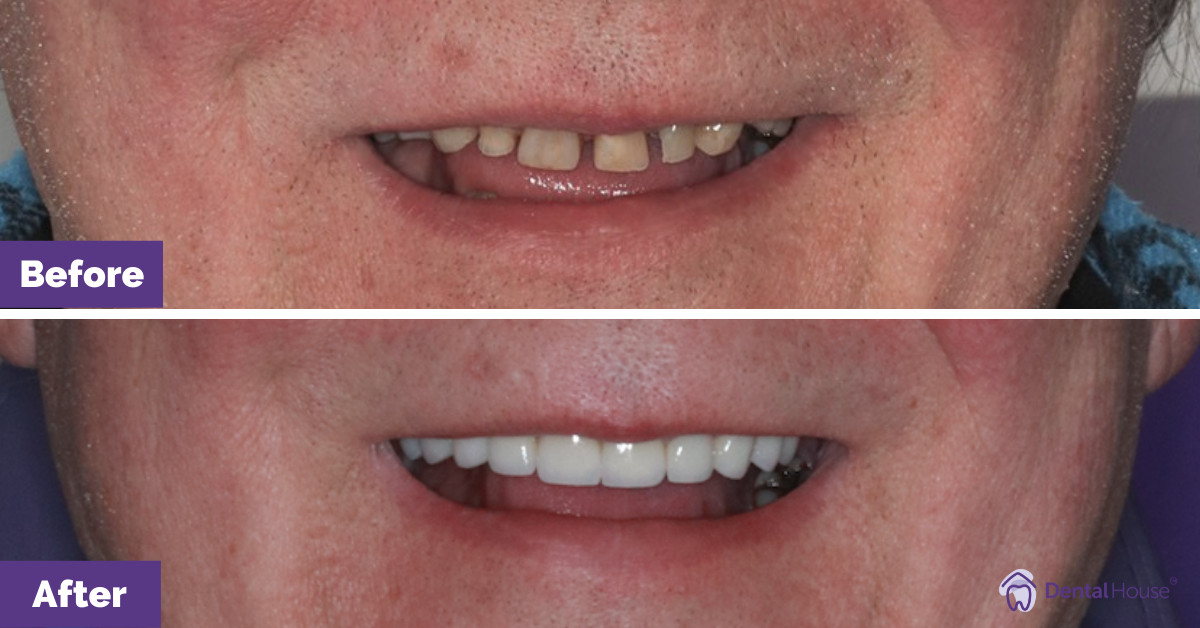
Missing back teeth were replaced with implant-supported restorations, and the compromised upper teeth were protected with full porcelain crowns, improving both the function and structural integrity of the dentition.
Individual outcomes depend on bone quality at the implant sites, the condition of the remaining teeth, oral hygiene compliance, and ongoing professional monitoring. Results experienced by one patient do not necessarily reflect outcomes others may experience.