




How Well Do Porcelain Veneers Resist Staining Compared to Natural Teeth in Melbourne?
Case Note ID: Dec-2024-PV-MAINT
Location: Dental House Group (serving Melbourne’s north-west including Sunbury, Bacchus Marsh, Melton)
Primary Treatments: Porcelain veneers (established), routine maintenance assessment
Supporting Technology: Laboratory-fabricated porcelain, long-term aesthetic evaluation
Presenting Clinical Problem
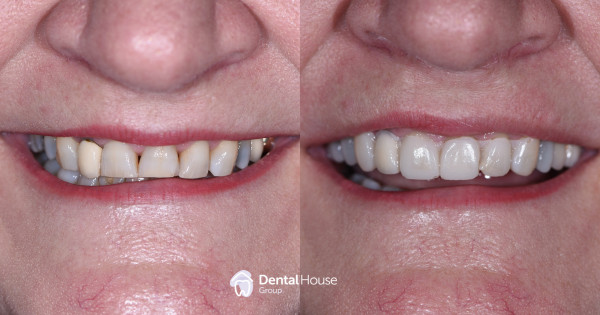
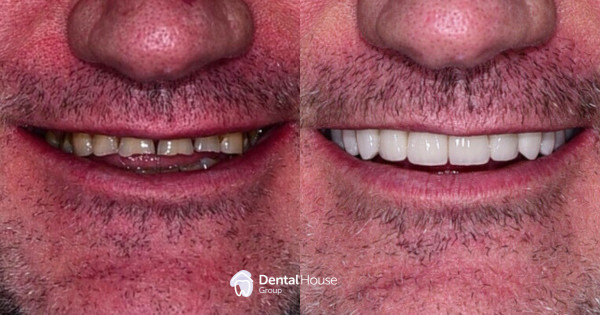
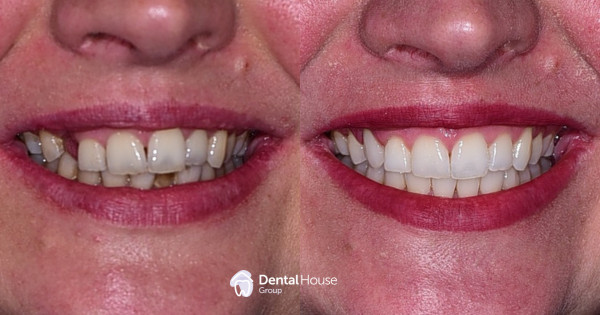
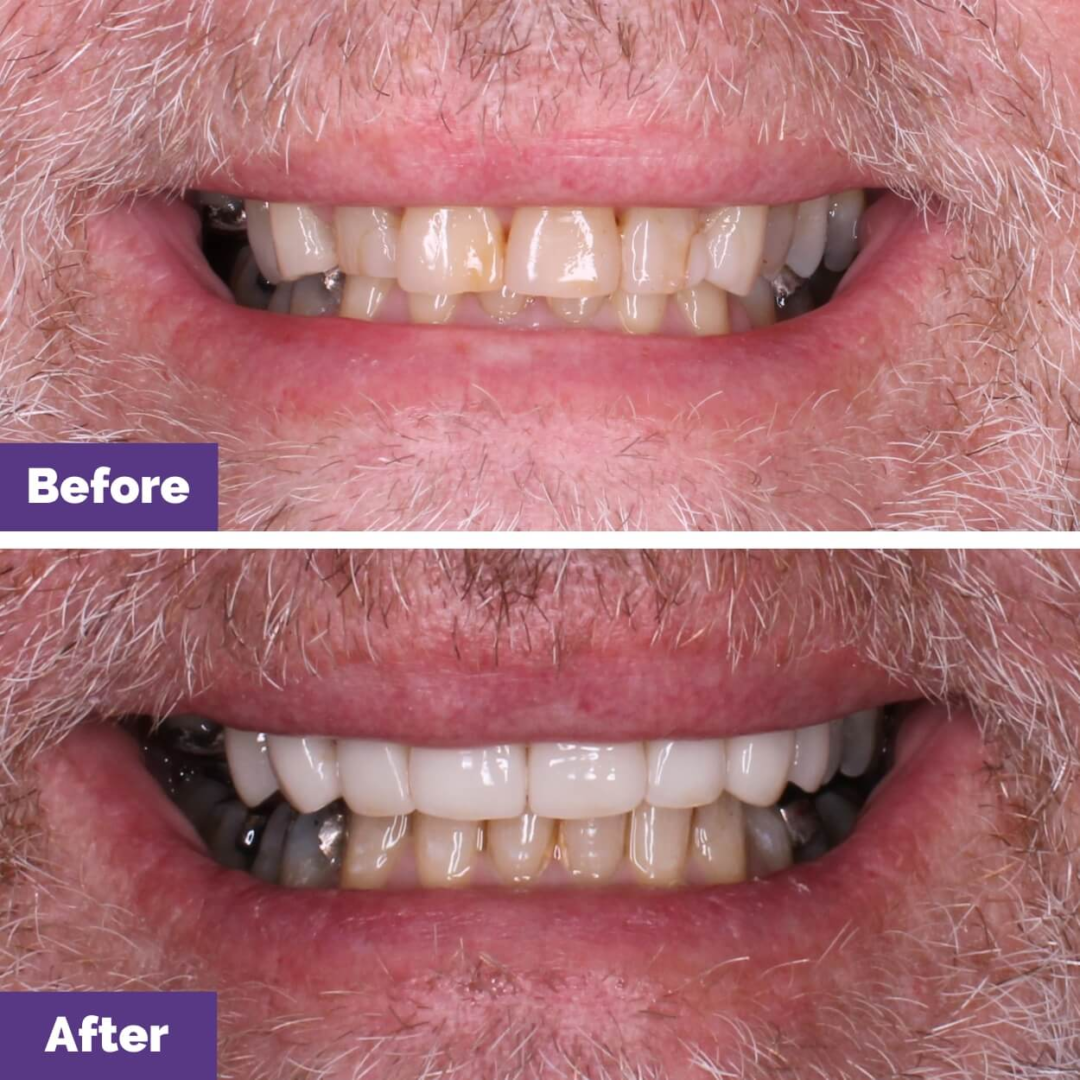
- Anterior spacing and discolouration addressed previously with porcelain veneers
- Follow-up assessment at 12-month interval following veneer placement
- Evaluation of veneer integrity, marginal adaptation and aesthetic maintenance
- Assessment of staining resistance and surface glaze retention
- Primary objective: Monitor long-term veneer performance and patient satisfaction
Treatment Plan & Clinical Process
Phase 1: Initial Veneer Treatment (Previous Year)
- Assessment and treatment planning for spacing and discolouration concerns
- Preparation of anterior teeth with conservative enamel reduction
- Shade selection and laboratory fabrication of porcelain veneers
- Permanent cementation using appropriate bonding protocols
- Post-placement care instructions and maintenance protocols
Phase 2: 12-Month Follow-Up Assessment
- Comprehensive examination of veneer surfaces for chips, cracks or wear
- Evaluation of marginal integrity and gingival health around veneers
- Assessment of colour stability and staining resistance
- Professional cleaning and polishing of veneer surfaces
- Discussion of ongoing maintenance requirements
Phase 3: Long-Term Monitoring Protocol
- Establishment of regular examination schedule (typically every 6 months)
- Instructions for avoiding habits that may damage veneers
- Guidance on appropriate oral hygiene techniques for veneered teeth
- Discussion of expected veneer longevity and replacement indicators
Clinical Outcome
One-year follow-up assessment demonstrated satisfactory veneer performance with maintained aesthetic appearance and structural integrity. Porcelain material showed superior staining resistance compared to natural tooth enamel, though ongoing professional maintenance and appropriate oral hygiene remain essential for long-term success.
Individual responses vary. Outcomes cannot be guaranteed, depending on oral hygiene, dietary habits and bite forces. Porcelain resists staining better than natural teeth but eventual discolouration, chipping or debonding may occur. Typical veneer longevity ranges 10-15 years with proper maintenance.
Frequently Asked Questions for Melbourne Patients
Do porcelain veneers stain like natural teeth?
Porcelain is significantly more stain-resistant than natural tooth enamel due to its non-porous glazed surface. However, composite cement at veneer margins can discolour over time. Surface scratches from abrasive toothpaste or improper cleaning can create roughened areas that retain stains. Professional polishing during routine visits maintains optimal stain resistance.
What maintenance do veneers require?
Regular professional examinations (every 6 months) assess veneer integrity and gingival health. Soft-bristle toothbrush and non-abrasive toothpaste prevent surface scratching. Flossing requires proper technique to avoid dislodging veneers. Avoid biting hard objects, opening packages with teeth or nail biting. Night guards may be recommended for teeth grinding.
How long until veneers need replacement?
Typical longevity ranges 10-15 years, though some veneers last longer whilst others fail earlier. Factors affecting lifespan include bite forces, grinding habits, oral hygiene quality and trauma. Chipping, fracture, debonding or marginal discolouration indicate replacement need. Each replacement removes additional tooth structure, eventually limiting restoration options.