

How Effective Are Porcelain Veneers and Crowns for Full Smile Restoration in Bacchus Marsh?
Case Note ID: Dec-2024-PV-CR
Location: Bacchus Marsh Dental House (serving the Bacchus Marsh, Sunbury, Melton and surrounding areas)
Primary Treatments: Porcelain veneers, porcelain crowns
Supporting Technology: Digital shade analysis, custom laboratory-fabricated porcelain
Presenting Clinical Problem
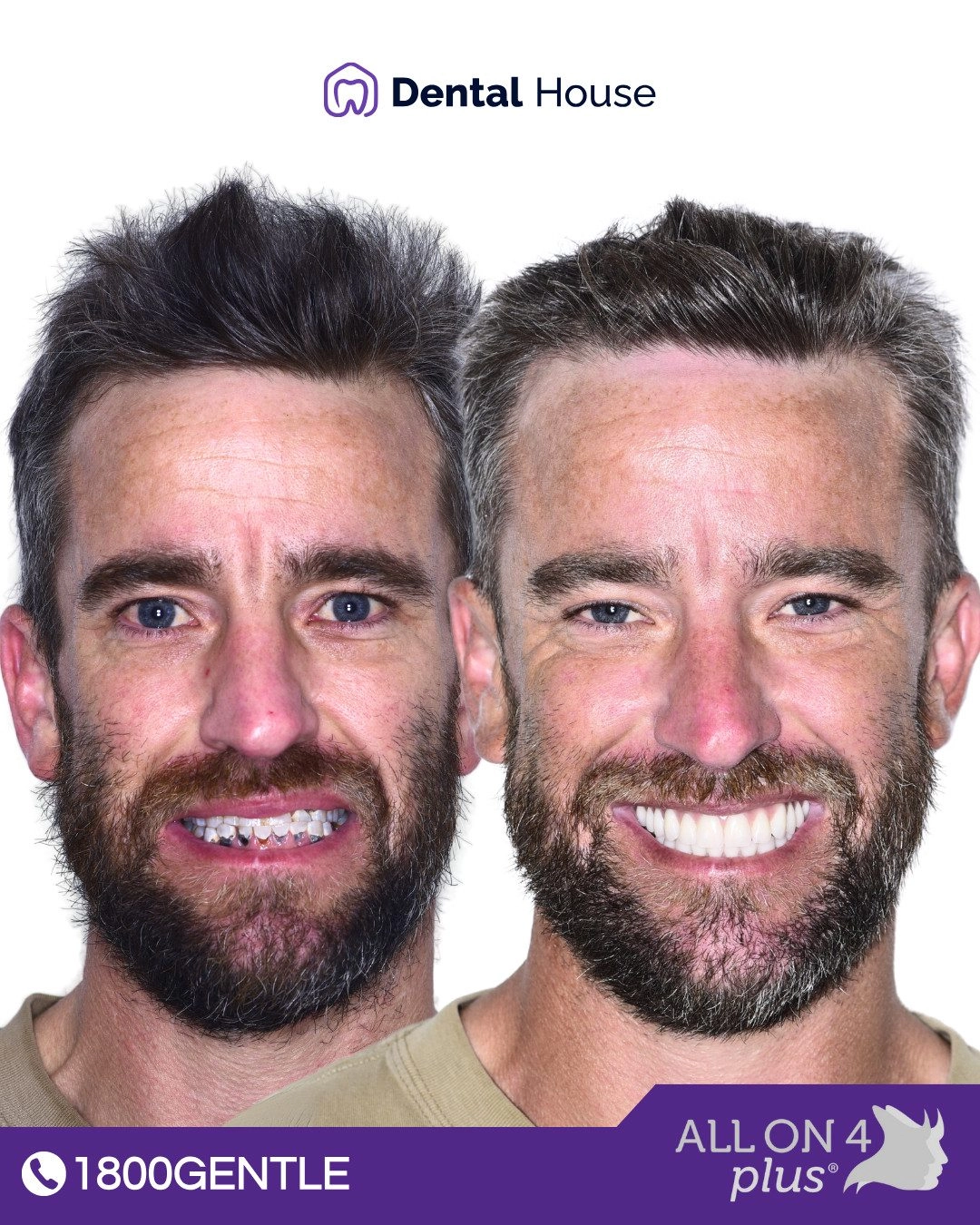
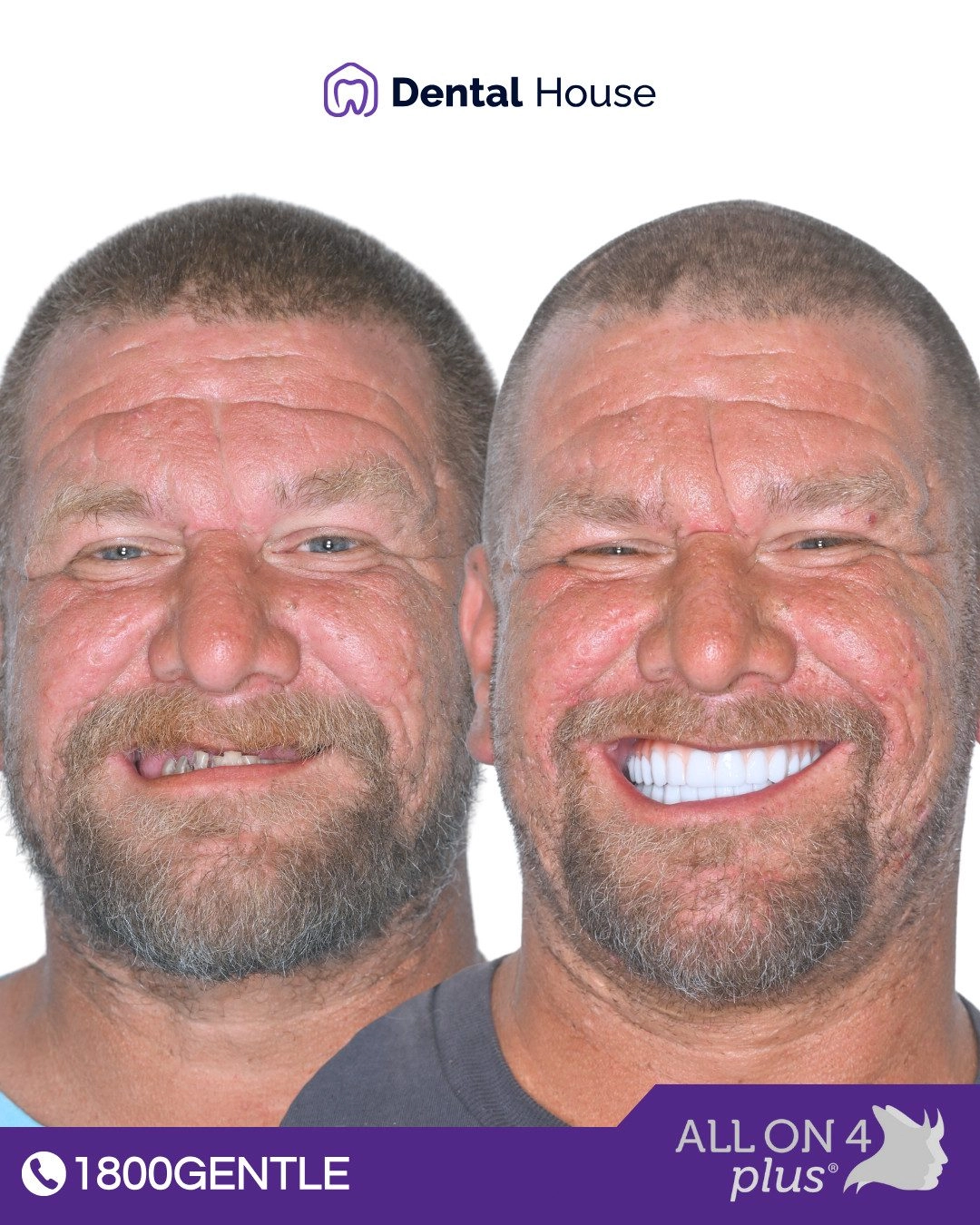
- Generalised tooth discolouration affecting aesthetic appearance
- Failing existing restorations with marginal breakdown
- Variation in tooth shape and size creating visual disharmony
- Structurally compromised teeth requiring protective restoration
- Primary objective: Restore function and improve aesthetics through comprehensive approach
Treatment Plan & Clinical Process
Phase 1: Comprehensive Assessment
- Detailed examination of tooth structure and existing restorations
- Radiographic evaluation to assess tooth vitality and periapical health
- Digital smile design to plan final tooth dimensions
- Discussion of treatment options, sequencing and realistic expectations
Phase 2: Tooth Preparation and Temporisation
- Preparation of teeth requiring veneers with minimal enamel reduction
- Preparation of structurally compromised teeth for full crown coverage
- Shade selection and characterisation communication to laboratory
- Custom temporary restorations during fabrication period
Phase 3: Porcelain Restoration Placement
- Trial fitting and shade verification of laboratory-fabricated restorations
- Permanent cementation using appropriate bonding protocols
- Occlusal adjustment to ensure proper bite relationship
- Post-placement care and maintenance instructions
Clinical Outcome
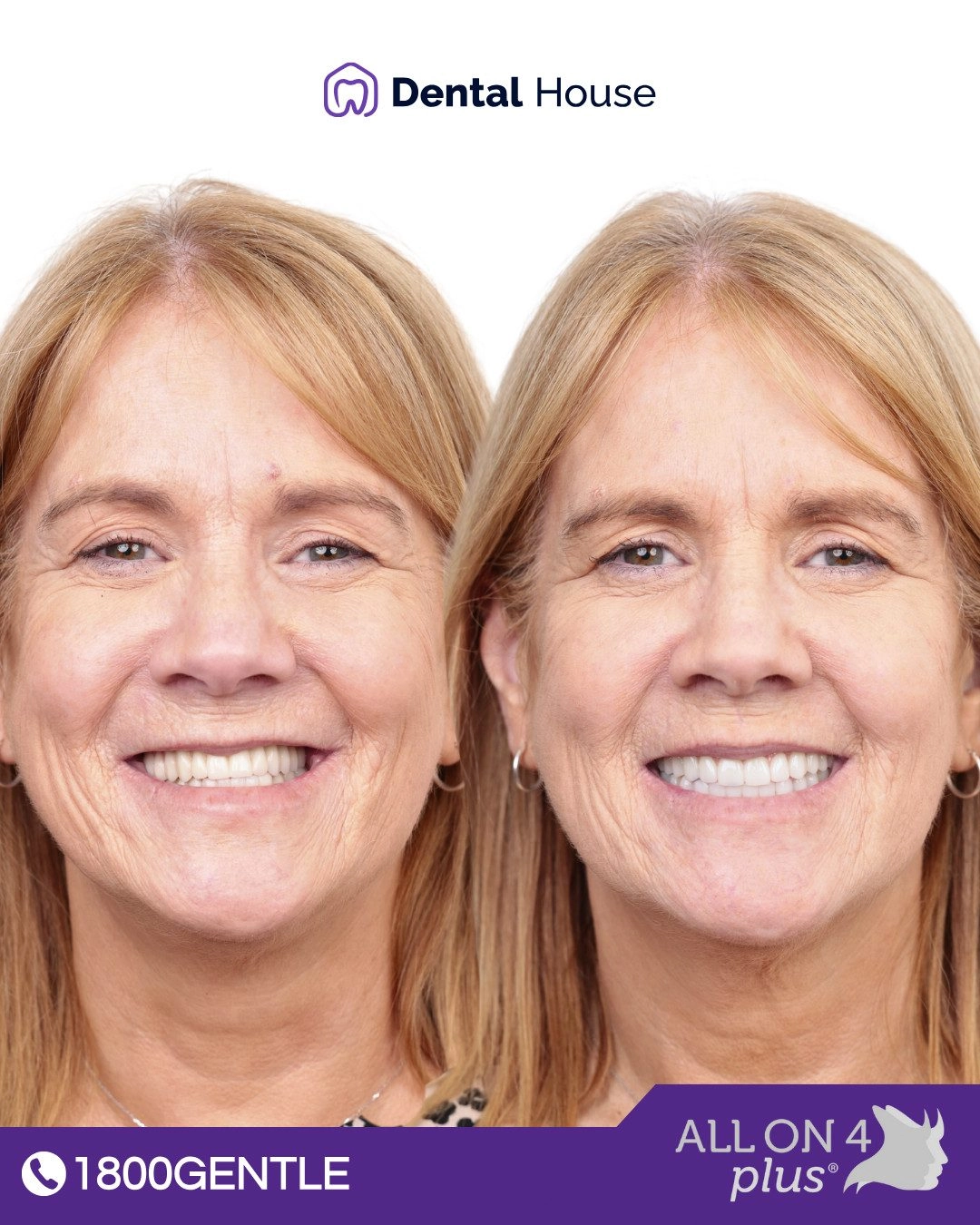
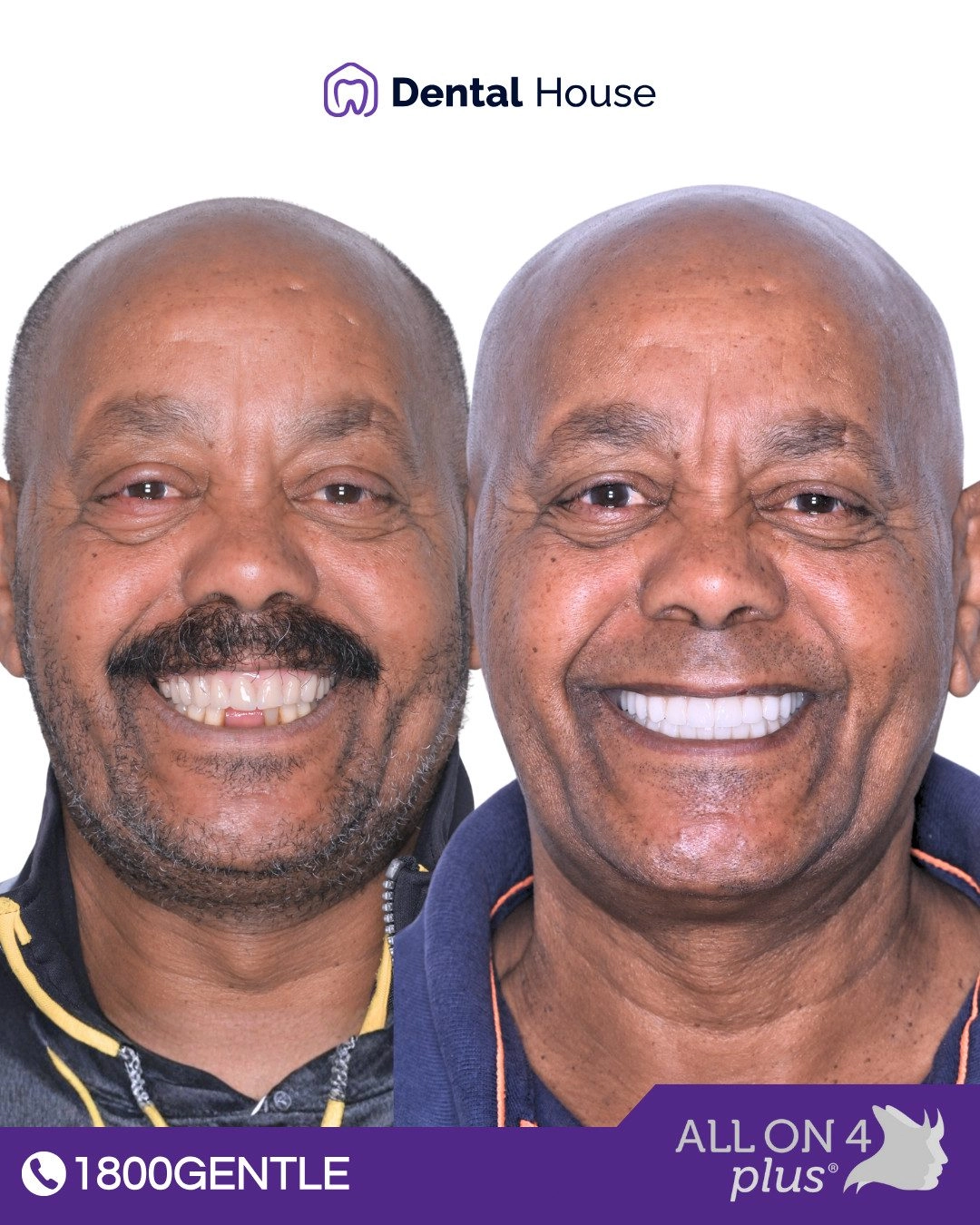
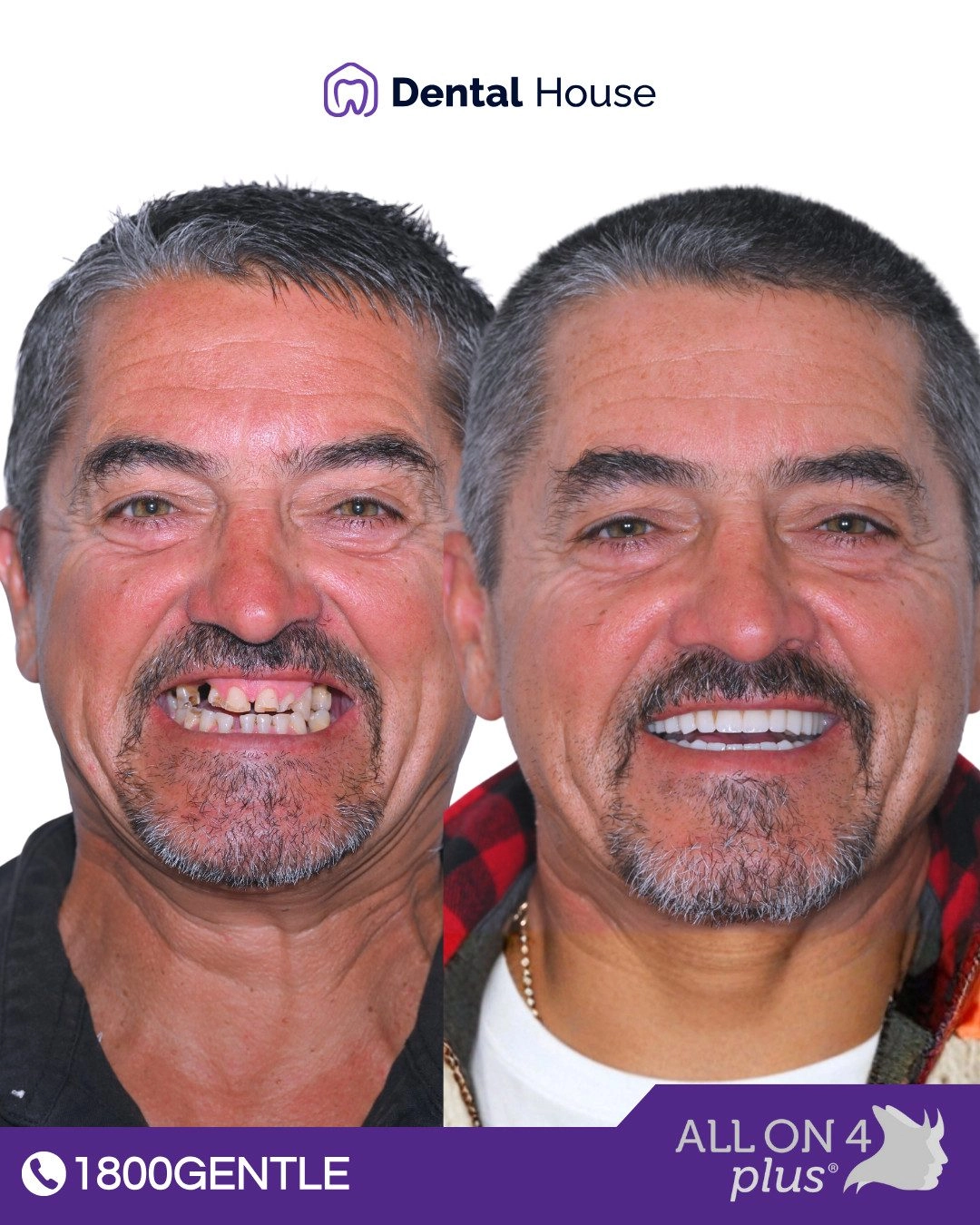
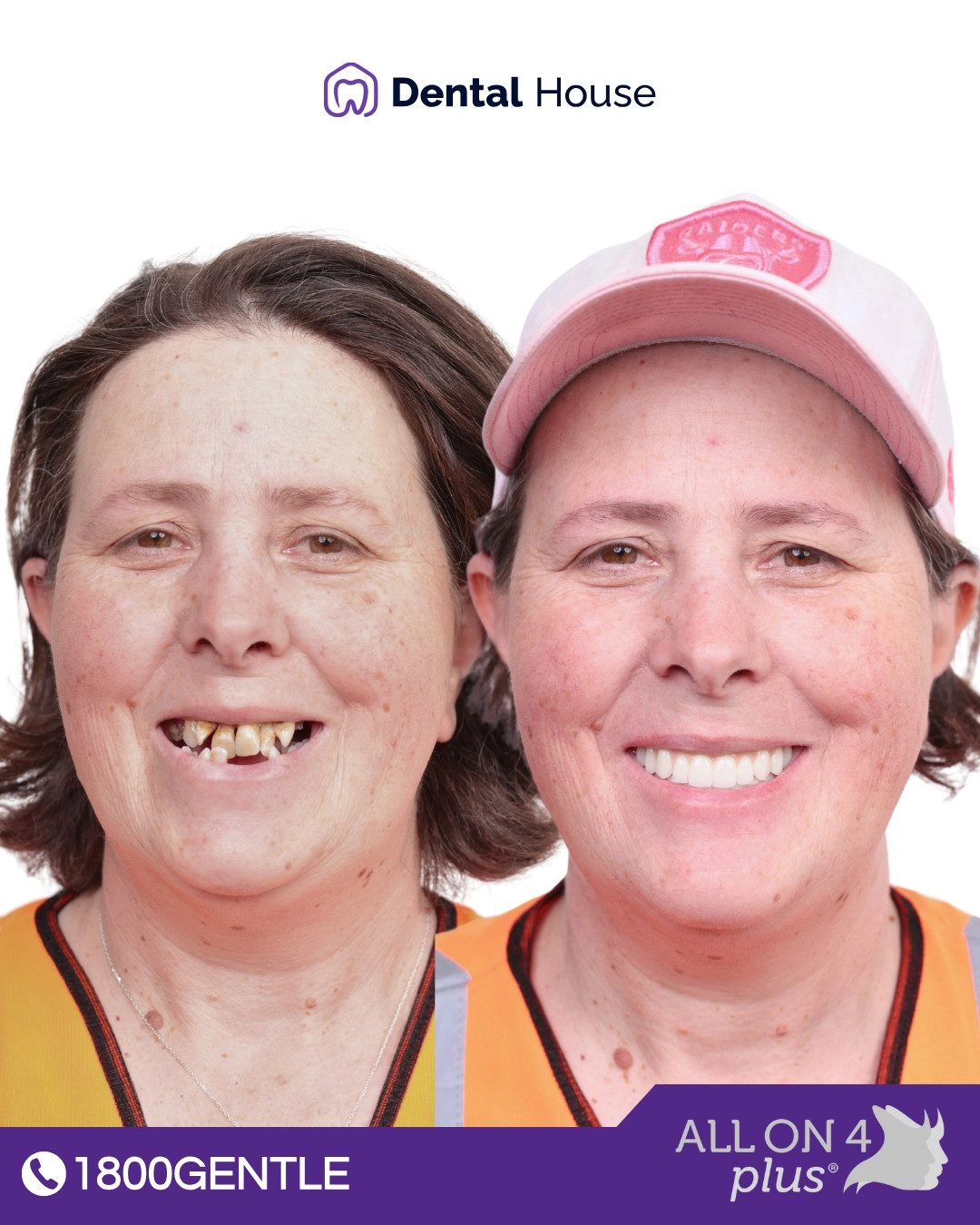
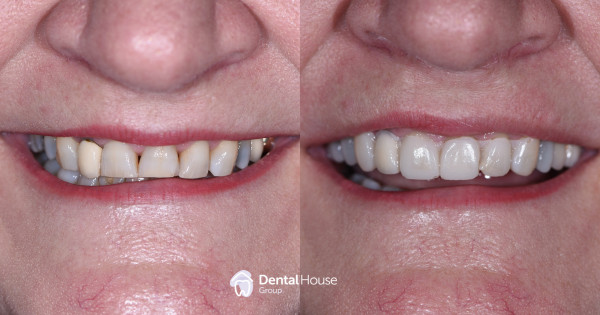
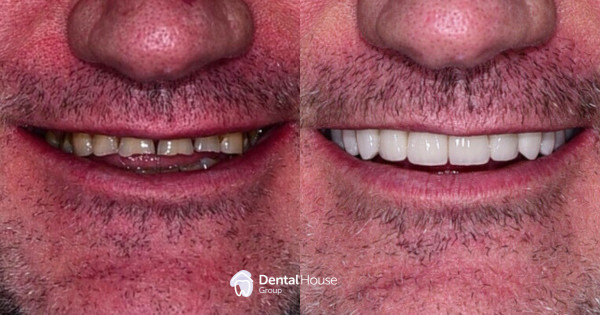
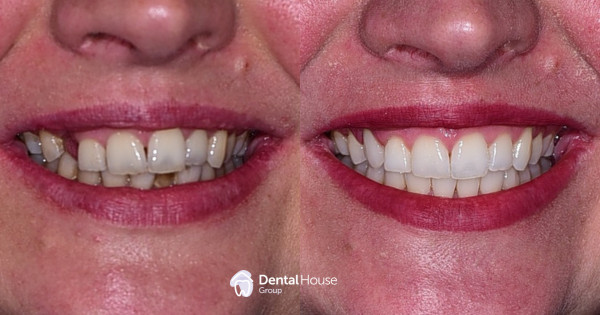
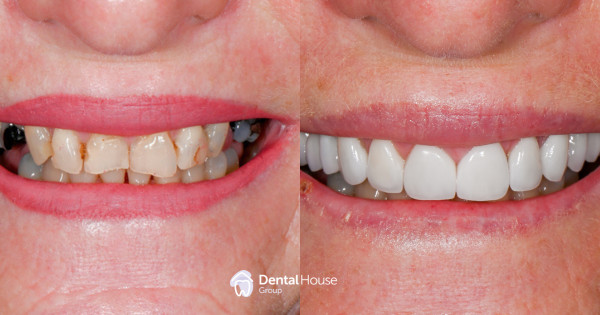
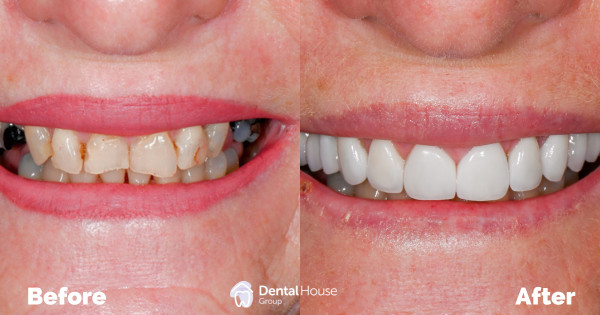
The comprehensive treatment approach involved placing porcelain veneers on teeth suitable for conservative preparation and full porcelain crowns on structurally compromised teeth requiring complete coverage. The combination allowed for individualised treatment based on each tooth’s structural requirements whilst achieving overall aesthetic harmony.
Individual responses to extensive restorative treatment vary significantly. Treatment outcomes cannot be guaranteed, with success depending on factors including tooth structure quality, oral hygiene maintenance and bite forces. Porcelain restorations can chip, fracture or debond over time. Crowned teeth remain at risk for root canal complications, fracture or decay at margins.
Frequently Asked Questions for Bacchus Marsh and Sunbury Patients
What is the difference between veneers and crowns?
Veneers cover only the front surface of teeth and require less tooth reduction, making them more conservative for structurally sound teeth. Crowns encircle the entire tooth and provide greater structural support for weakened teeth but require more extensive preparation. The choice depends on individual tooth condition and clinical requirements.
How long do porcelain veneers and crowns last?
Typical longevity ranges from 10-15 years, though outcomes vary considerably. Factors affecting lifespan include bite forces, grinding or clenching habits, oral hygiene quality, margin integrity and material properties. Some restorations fail earlier due to fracture, debonding or recurrent decay, whilst others may last significantly longer.
What maintenance do porcelain restorations require?
Porcelain restorations require meticulous oral hygiene to prevent decay at margins and gum disease. Night guards may be recommended for patients who grind or clench. Regular professional examinations help identify early signs of complications. Avoiding extremely hard foods and using teeth appropriately reduces fracture risk.