

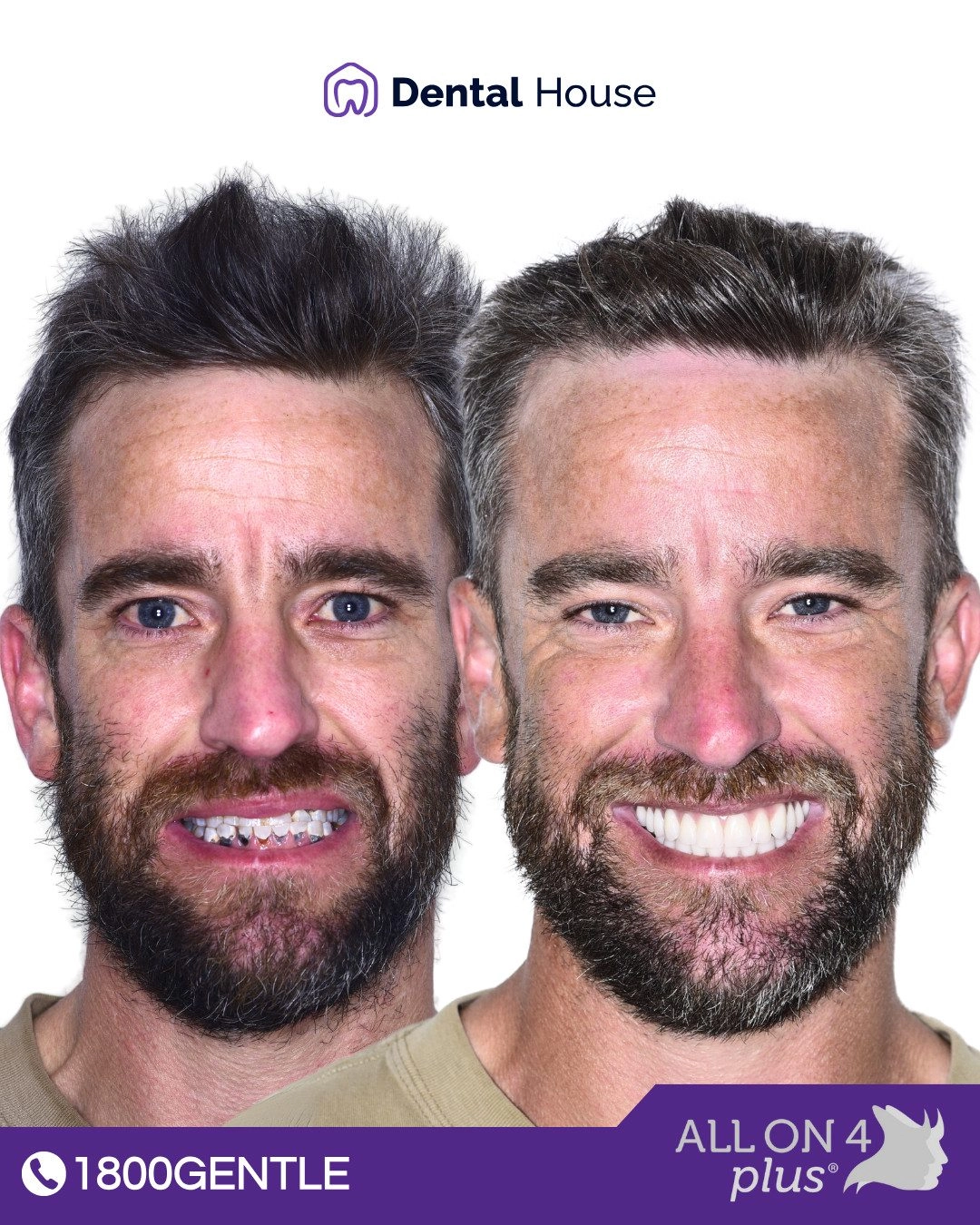
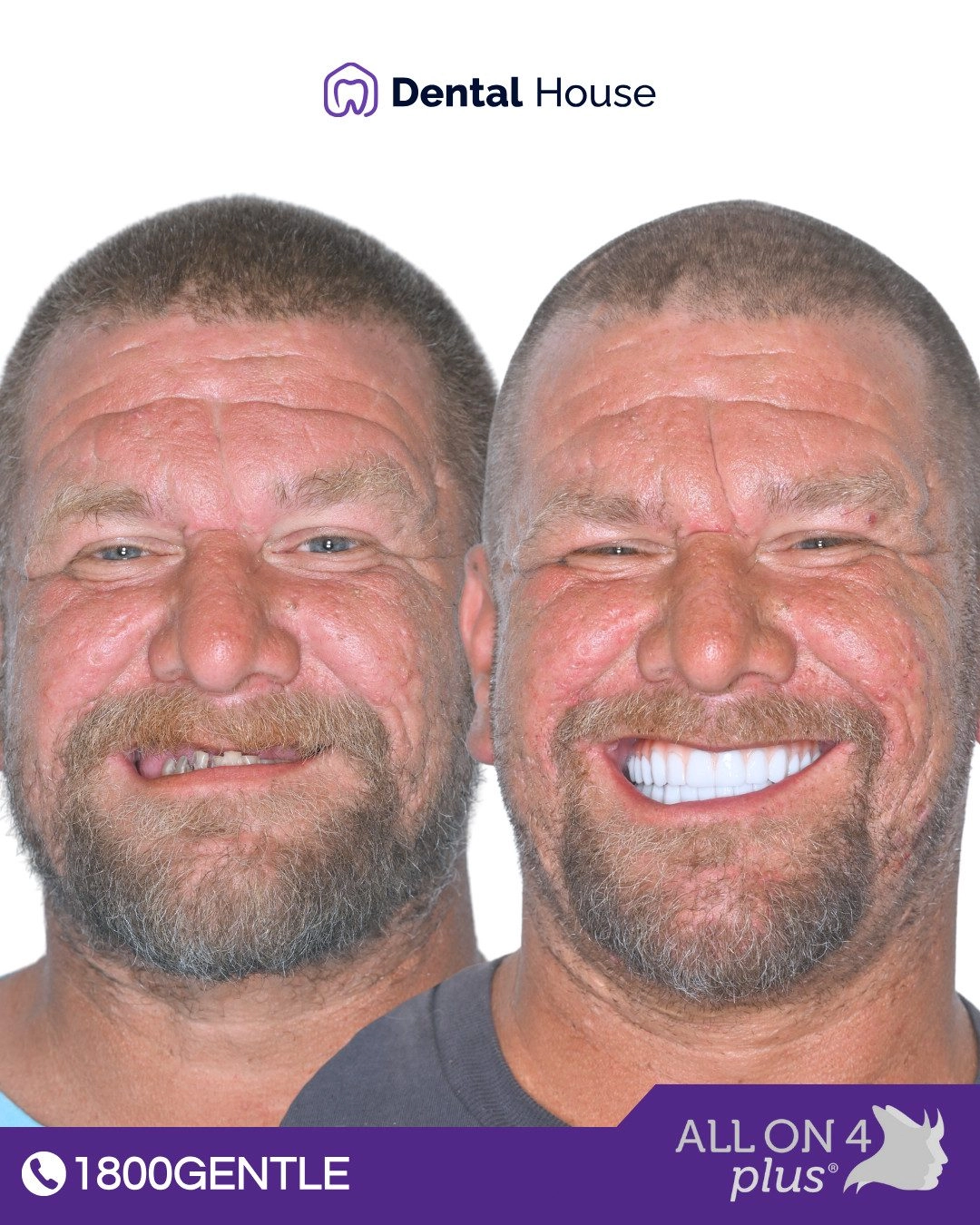
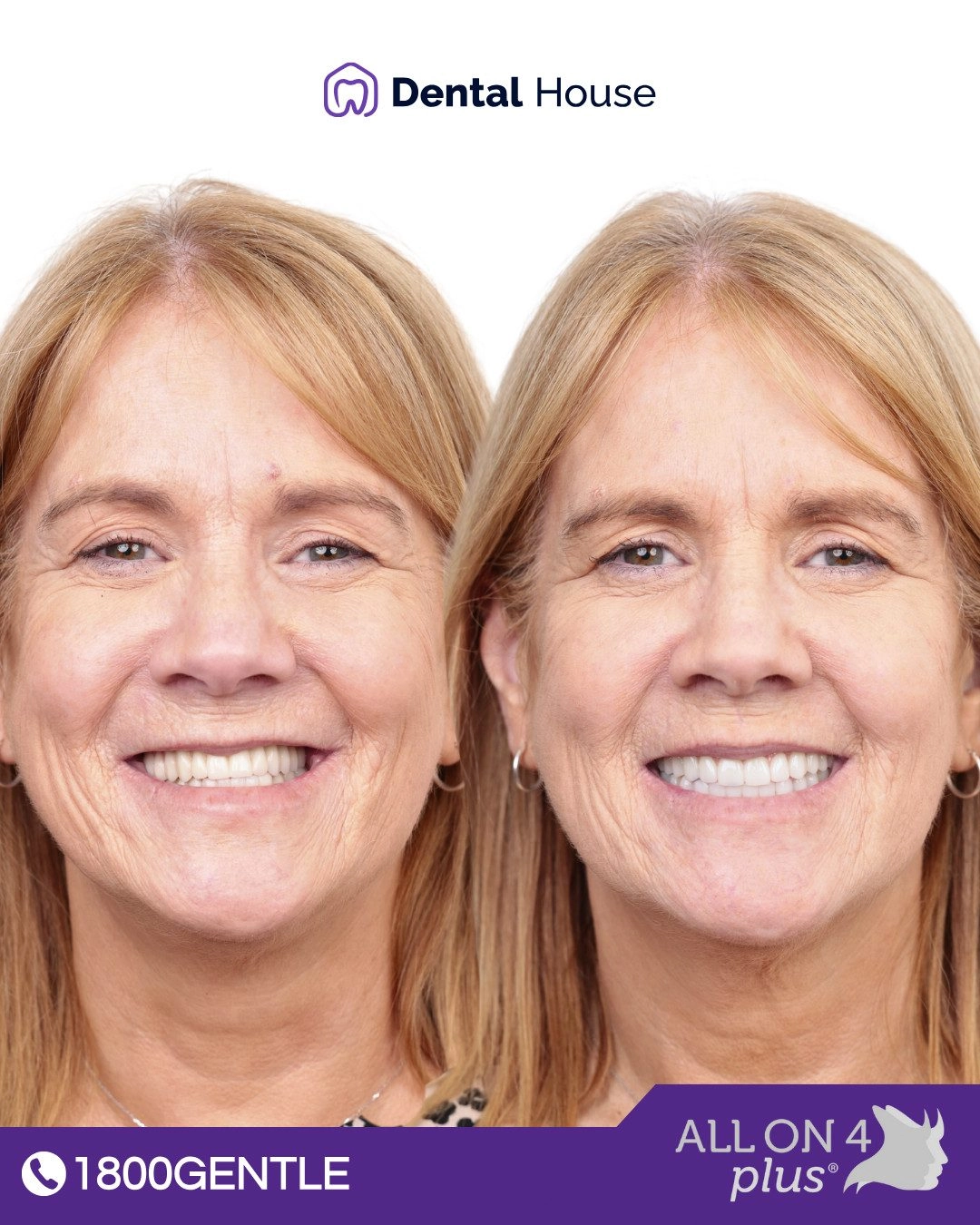

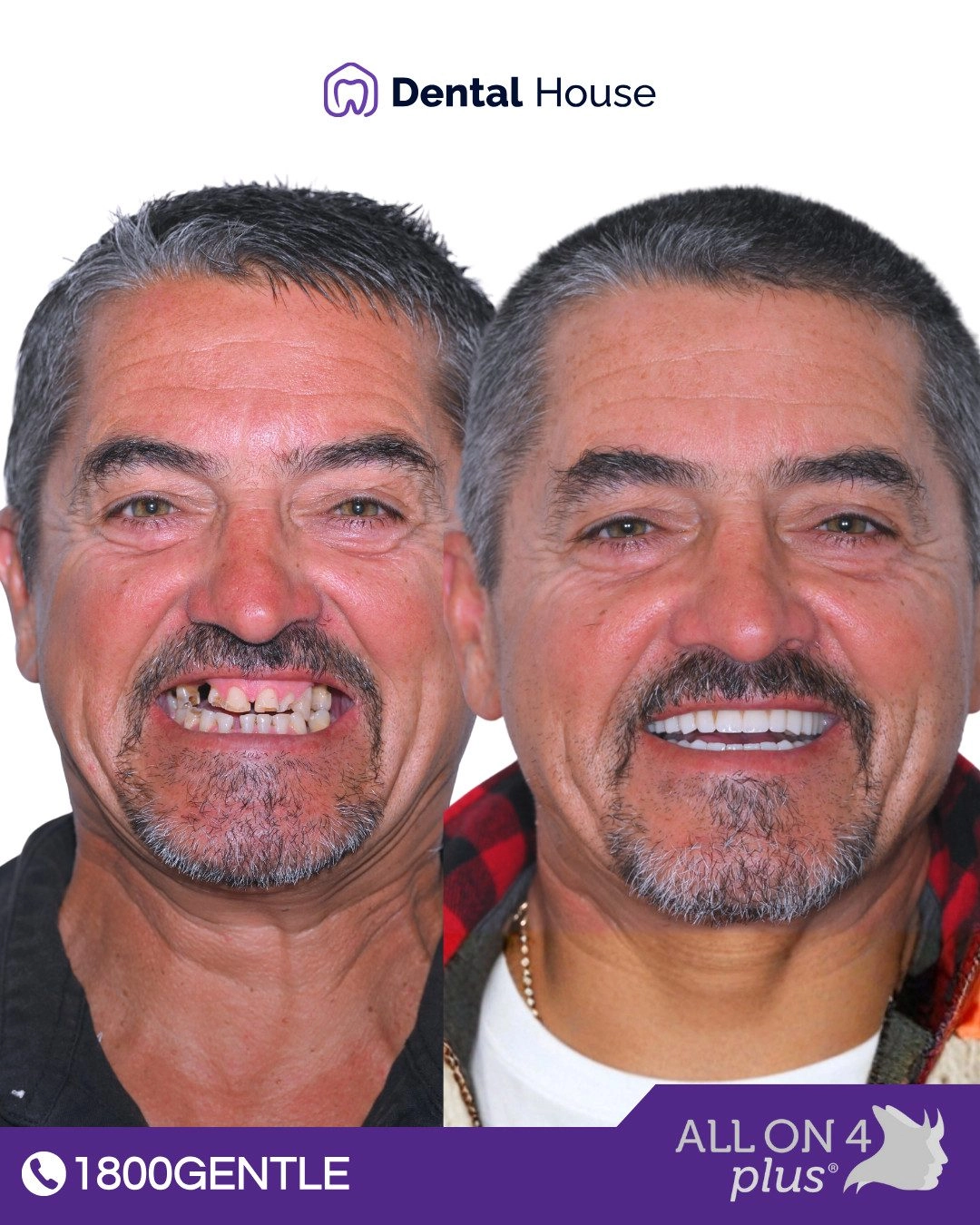
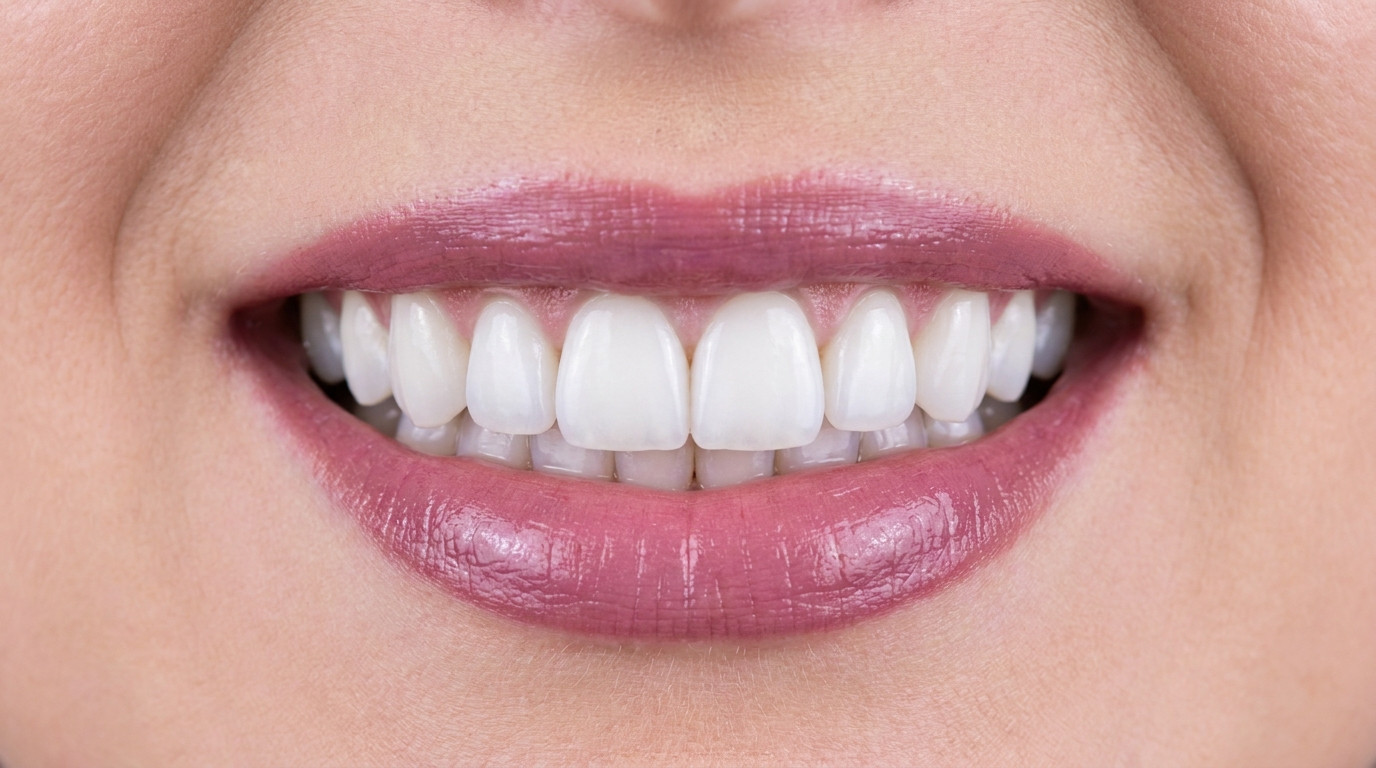
Dental veneers represent a significant investment in your smile, and like any valuable investment, they require proper care to maintain their appearance and function. Whether you’ve recently received veneers or are considering this cosmetic treatment, understanding the recommended oral hygiene practices is essential for long-term success.
At Bacchus Marsh Dental House, we frequently receive questions about cleaning veneers and maintaining optimal oral health with these restorations. While veneers are designed to be durable and stain-resistant, they still require specific care routines to ensure they continue looking their best for years to come.
For residents of Bacchus Marsh, Melton, and Ballan, proper veneer maintenance can help protect your investment whilst promoting overall oral health. Let’s explore the recommended practices for keeping your veneers in excellent condition.
Understanding Veneers and Oral Health Requirements
Dental veneers are thin shells, typically made from porcelain or composite resin, that are bonded to the front surface of teeth. Whilst these restorations are designed to resist staining better than natural tooth enamel, the junction where the veneer meets your natural tooth requires particular attention during cleaning.
The key to successful veneer maintenance lies in understanding that whilst the veneer material itself may be highly resistant to bacteria and plaque, the surrounding gum tissue and tooth structure remain vulnerable to oral health issues. This is why cleaning veneers properly involves caring for both the restoration and the natural tooth structure beneath and around it.
Professional dental guidance suggests that patients with veneers should maintain consistent oral hygiene routines that protect both their investment and their overall oral health. The good news is that caring for veneers doesn’t require dramatically different techniques from normal oral hygiene practices.
Daily Oral Hygiene Fundamentals for Veneer Care
Brushing Techniques and Frequency
Cleaning veneers begins with proper brushing techniques. Dental professionals recommend brushing twice daily using a soft-bristled toothbrush. The gentle bristles help remove plaque and bacteria without potentially scratching the veneer surface or irritating the gum line.
When brushing, use gentle circular motions rather than aggressive back-and-forth scrubbing. This technique effectively removes plaque whilst being kind to both your veneers and natural teeth. Pay particular attention to the gum line where veneers meet your natural tooth structure, as this area can be prone to plaque accumulation.
Toothpaste Selection Considerations
The choice of toothpaste plays an important role in cleaning veneers effectively. Non-abrasive toothpastes are generally recommended, as highly abrasive formulations may potentially affect the surface of some veneer materials over time.
Fluoride toothpastes can be beneficial for protecting the natural tooth structure around and beneath veneers. However, if you have concerns about toothpaste selection, consulting with your dental professional can provide personalised recommendations based on your specific restoration materials.
Flossing and Interdental Care
Daily flossing remains crucial when cleaning veneers, as it removes plaque and food particles from between teeth where toothbrush bristles cannot reach. The flossing technique for veneer care is similar to that used with natural teeth, though some patients find that threading the floss gently rather than snapping it into place feels more comfortable around restored teeth.
Water flossers can be an excellent addition to veneer care routines, particularly for patients who find traditional floss challenging to use. These devices use pressurised water to remove debris and bacteria from between teeth and along the gum line.
Professional Maintenance and Monitoring
Regular Dental Check-ups
Professional dental care remains essential for veneer maintenance. During regular check-ups, dental professionals can assess the condition of your veneers, check the integrity of the bonding, and identify any potential issues before they become significant problems.
These appointments also provide opportunities for professional cleaning that can remove any stubborn plaque or tartar that may have accumulated despite good home care. The frequency of these visits may vary based on individual oral health needs, but most dental professionals recommend six-monthly appointments.
Professional Cleaning Considerations
Professional cleaning sessions for patients with veneers may involve specific techniques and instruments designed to be gentle on restoration materials. Dental hygienists are trained to work safely around various types of dental restorations, ensuring effective cleaning without damaging the veneer surface or bonding.
During these sessions, professionals can also provide personalised advice about your home care routine and suggest any modifications that might improve your cleaning effectiveness.
Lifestyle Factors Affecting Veneer Maintenance
Dietary Considerations
Whilst cleaning veneers properly is essential, certain dietary habits can make maintenance easier or more challenging. Although veneers are generally stain-resistant, the natural tooth structure around them remains susceptible to discoloration from strongly pigmented foods and beverages.
Foods and drinks such as coffee, tea, red wine, and deeply coloured berries may potentially affect the natural teeth adjacent to veneers over time. This doesn’t mean these foods must be avoided entirely, but awareness of their potential effects can help you make informed choices about consumption and timing of oral hygiene routines.
Protective Habits
Certain habits can impact both veneer longevity and oral hygiene effectiveness. Using teeth as tools to open packages, bite fingernails, or chew on hard objects may potentially damage veneers and make cleaning more challenging if chips or rough edges develop.
For patients who grind or clench their teeth, protective appliances such as night guards may be recommended to protect both veneers and natural teeth from excessive forces that could affect their integrity.
Recognising When Professional Assessment is Needed
Signs Requiring Professional Attention
Understanding when to seek professional assessment is part of responsible veneer care. Changes in the appearance of veneers, sensitivity around restored teeth, or difficulties with your normal cleaning routine may indicate that professional evaluation is needed.
If you notice rough edges, chips, or changes in how your veneers feel, scheduling an appointment can help address these issues before they affect your ability to maintain proper oral hygiene.
Maintaining Long-term Success
The longevity of veneers depends on multiple factors, including the quality of daily care, regular professional maintenance, and individual oral health factors. Whilst no dental professional can guarantee specific outcomes, following recommended oral hygiene practices may help maximise the lifespan of your investment.
Patients who maintain consistent oral hygiene routines and attend regular professional appointments often experience better long-term outcomes with their veneer restorations.
The Bottom Line
Cleaning veneers effectively requires a combination of proper daily oral hygiene practices and regular professional care. The fundamentals remain similar to caring for natural teeth: gentle, consistent cleaning with appropriate tools and techniques.
At Bacchus Marsh Dental House, we believe that informed patients are better equipped to maintain their oral health and protect their investment in cosmetic dentistry. Understanding proper veneer care helps ensure that your smile continues to look and feel its best.
Questions about cleaning veneers or maintaining your oral health? Contact Bacchus Marsh Dental House at (03) 5315 2777 to schedule a consultation. Our team can provide personalised guidance for your specific veneer care needs.
Frequently Asked Questions
Can I use whitening toothpaste with veneers?
Whitening toothpastes are generally safe to use with veneers, but they won’t change the colour of the veneer material itself. These products may help maintain the colour of surrounding natural teeth. If you have concerns about toothpaste selection, your dental professional can provide specific recommendations.
How often should I replace my toothbrush when I have veneers?
Toothbrush replacement recommendations for veneer patients are similar to those for natural teeth – typically every three to four months or when bristles become frayed. Soft-bristled brushes are generally preferred for veneer care.
Is it safe to use an electric toothbrush with veneers?
Electric toothbrushes can be safe and effective for cleaning veneers when used properly. Many dental professionals recommend them for their ability to provide consistent, gentle cleaning action. If you’re considering switching to an electric toothbrush, discussing this with your dental professional can help ensure you select an appropriate model.
Note: All content and media on the Bacchus Marsh Dental House website and social media channels are created and published online for informational purposes only. It is not intended to be a substitute for professional medical advice and should not be relied on as health or personal advice.