

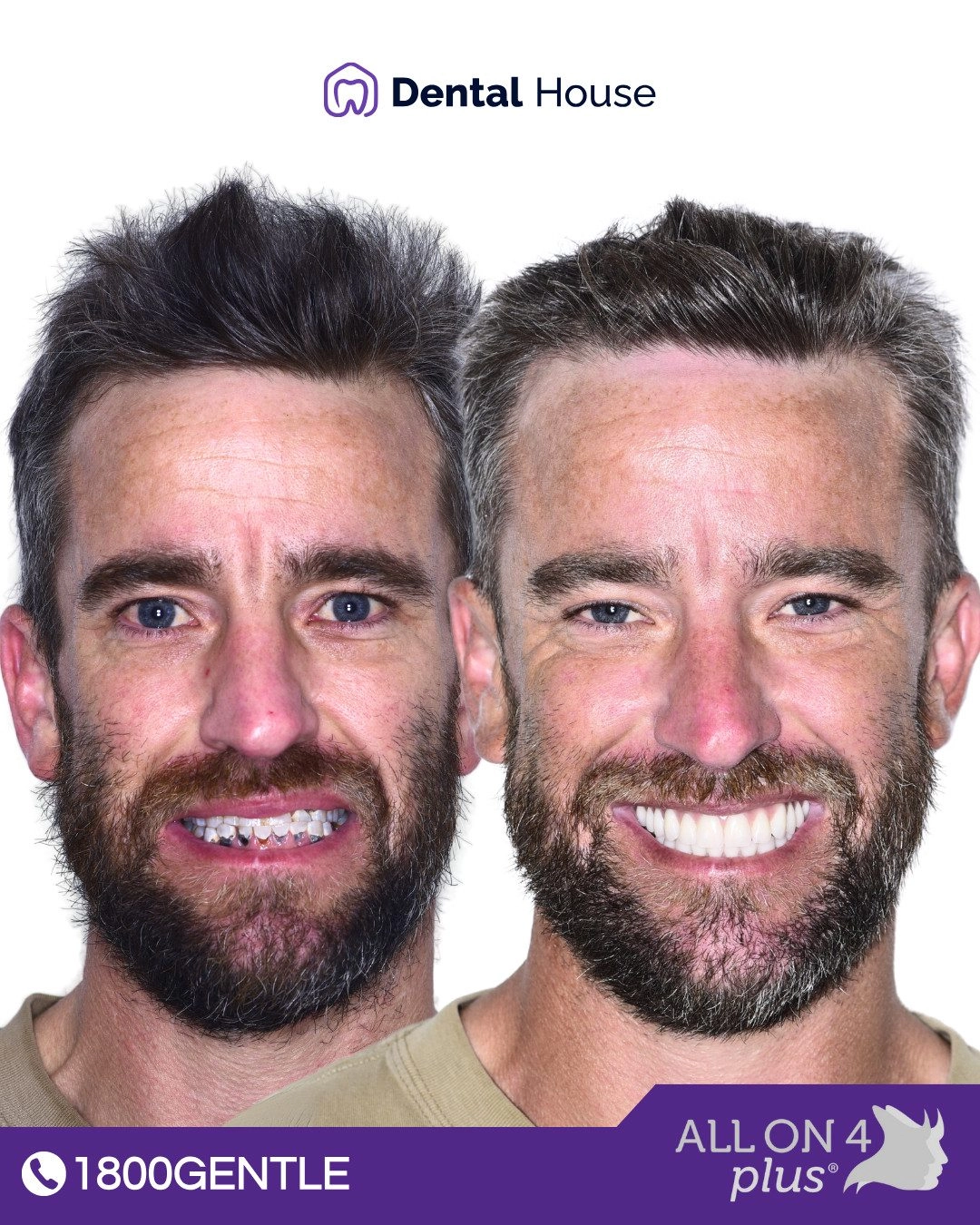
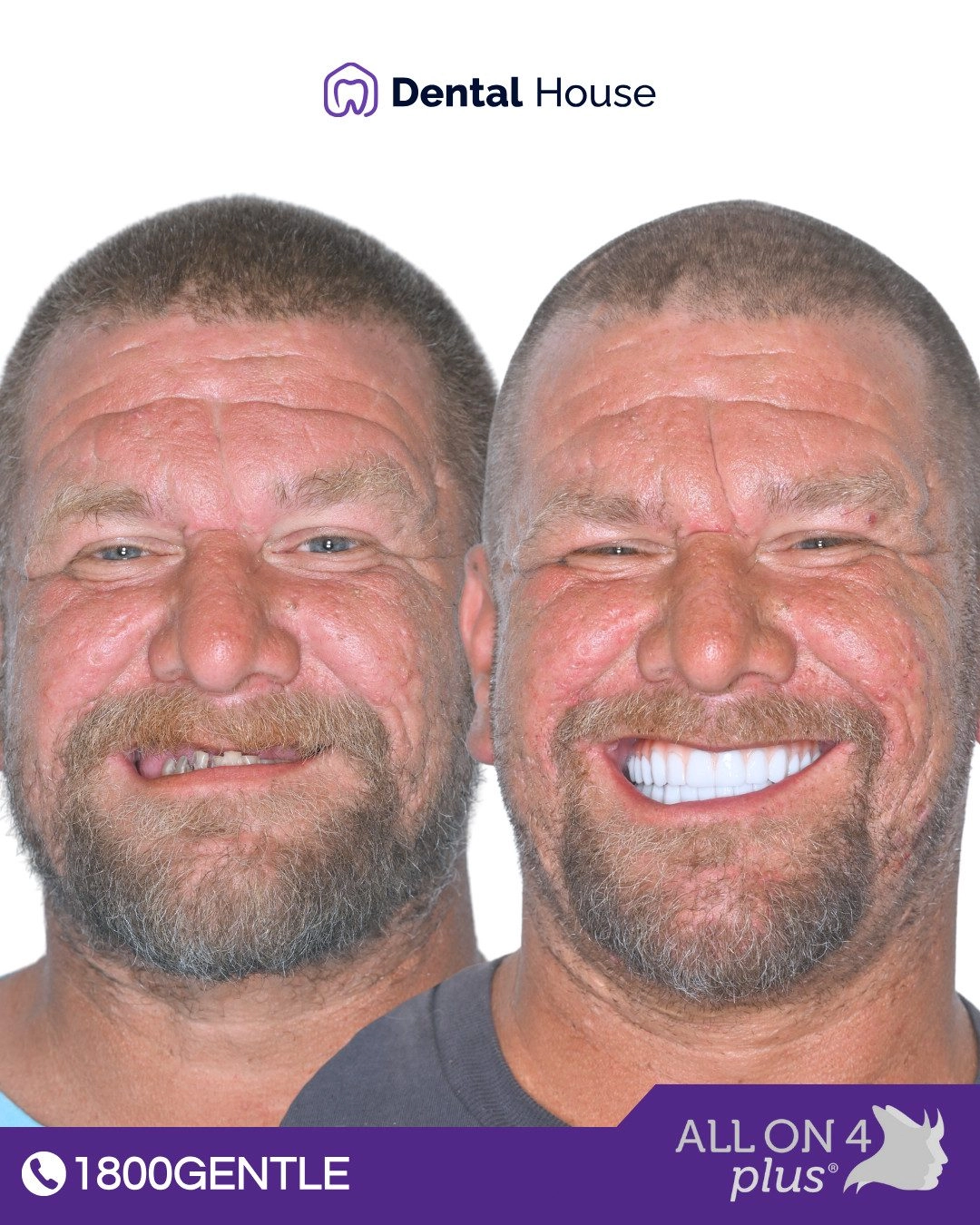
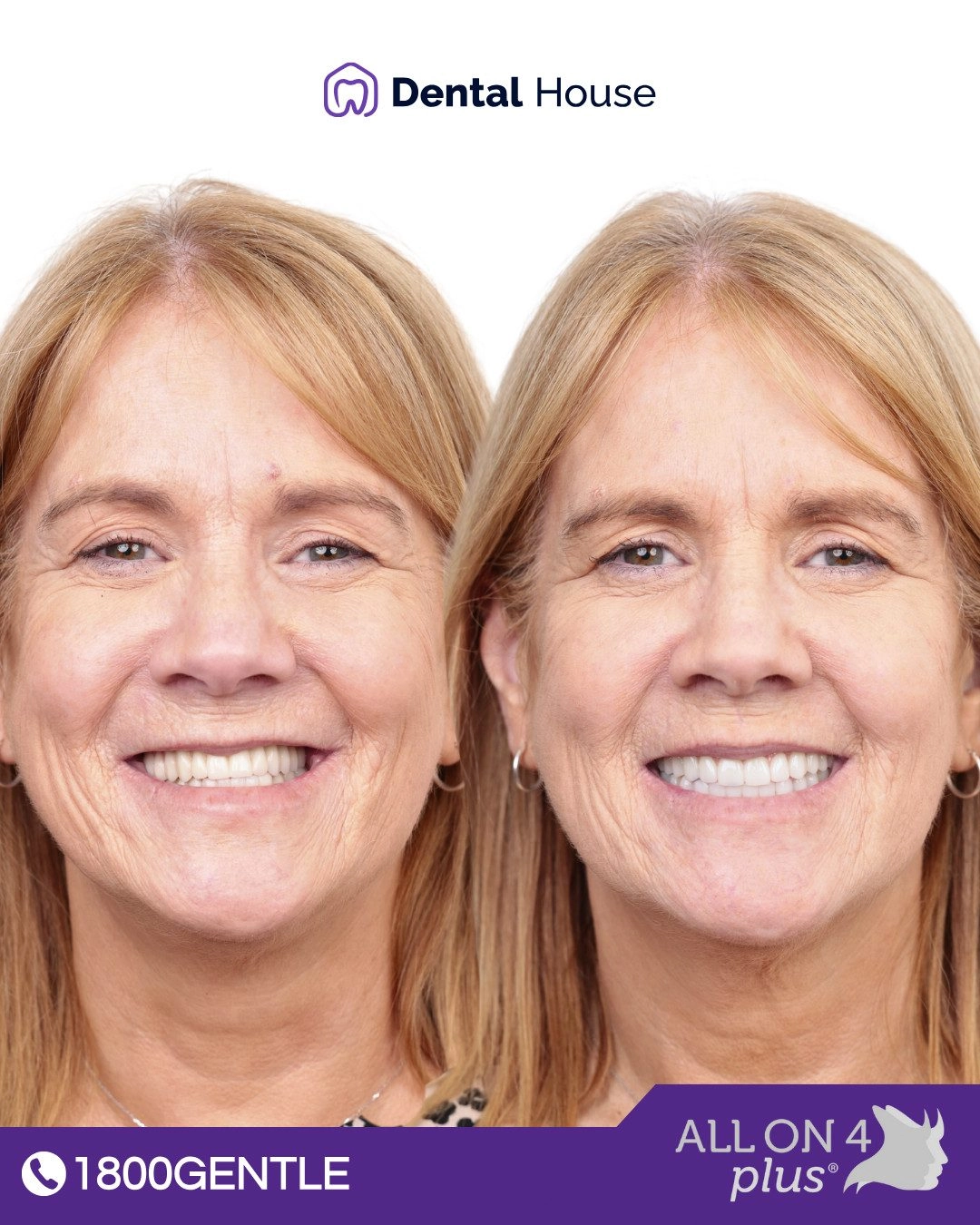

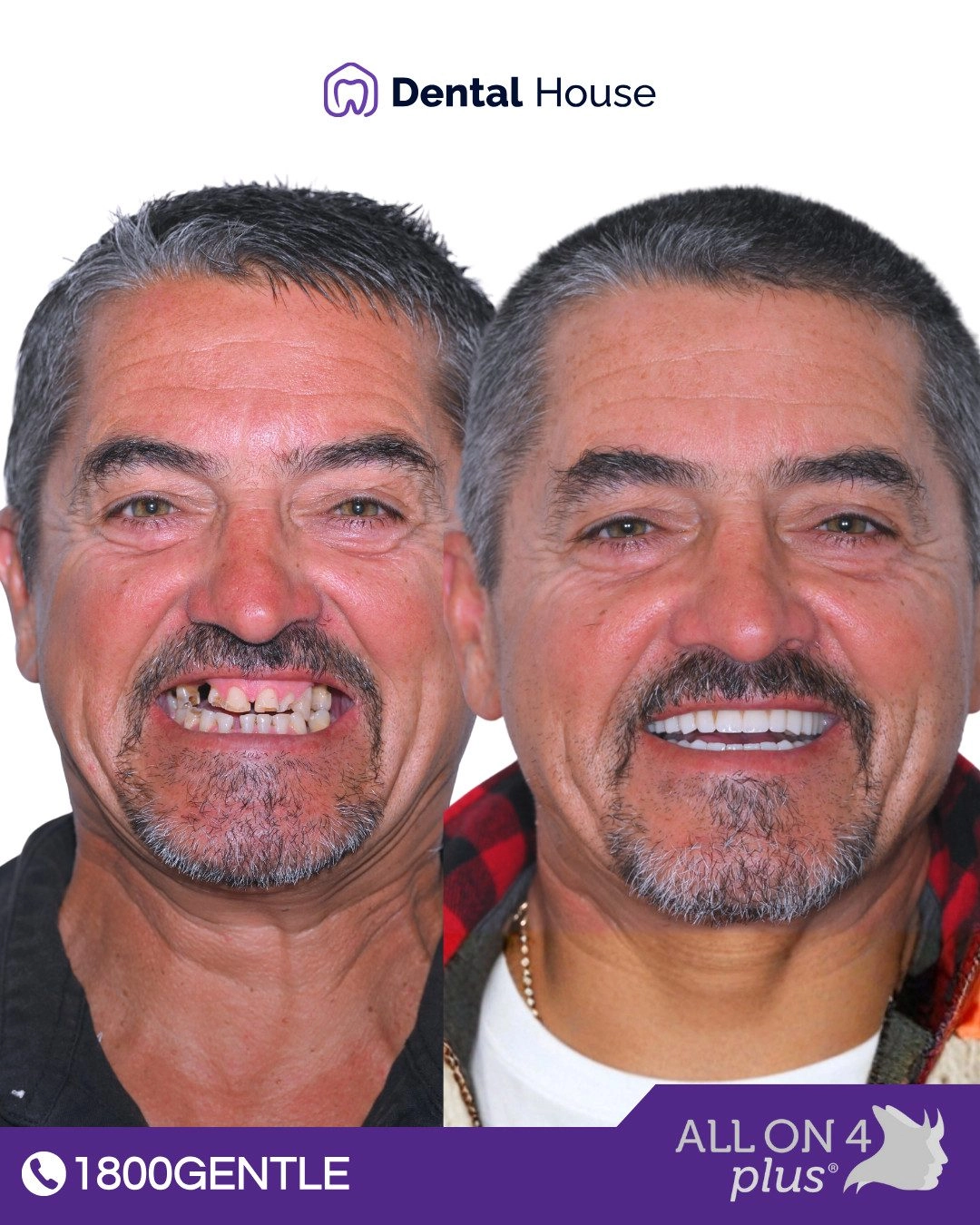
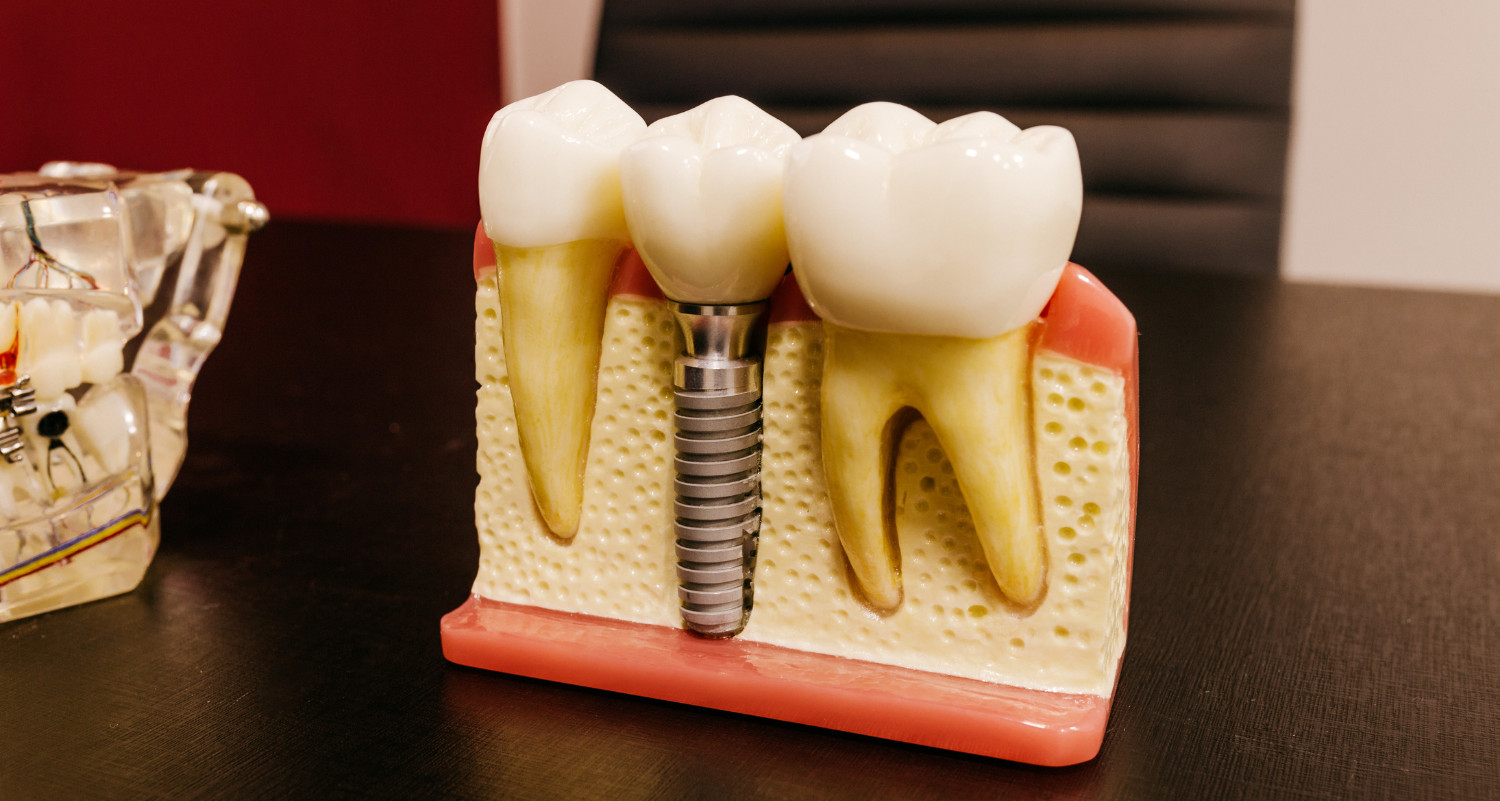
Here’s something that might surprise you: within just 12 months of losing a tooth, you can lose up to 25% of the jawbone in that area. It’s happening right now to thousands of people across Melbourne who had teeth extracted and chose not to replace them immediately.
At Bacchus Marsh Dental House, we see the long-term effects of this bone loss regularly. Patients come to us years later with sunken facial features, loose dentures, or complications with remaining teeth – all because they weren’t aware that losing a tooth means losing the bone that supported it.
The good news? Jawbone preservation implants can prevent up to 95% of this bone loss when placed correctly. It’s one of those situations where prevention really is better than cure.
If you’re living in Bacchus Marsh, Melton, or Ballan and facing tooth extraction, understanding how jawbone preservation implants work could be crucial for maintaining your long-term oral health and facial appearance.
What Actually Happens When You Lose a Tooth
Think of your teeth like tent poles holding up a canvas. When you remove a pole, that section of canvas starts to sag and lose its shape. Your jawbone works similarly – it needs the stimulation from tooth roots to maintain its size and density.
Within the first year after tooth extraction, you can lose up to 25% of your jawbone width in that area. This bone loss continues throughout your life, which is why people who’ve worn dentures for many years often develop that sunken facial appearance.
According to dental research, jawbone preservation implants can prevent up to 95% of this bone loss when placed at the time of extraction. This makes immediate implant placement one of the most effective ways to maintain your facial structure and oral health.
How Jawbone Preservation Implants Actually Work
Your jawbone stays healthy through a process called remodelling, where old bone tissue is constantly being replaced with new bone. This process requires stimulation from tooth roots pressing against the bone during chewing and speaking.
When you lose a tooth, that stimulation disappears, and your body assumes the bone in that area is no longer needed. The bone begins to dissolve away, a process called resorption. Jawbone preservation implants replace that missing stimulation, essentially tricking your body into thinking the tooth root is still there.
The Science Behind Bone Stimulation
Each time you bite down on an implant-supported tooth, the force travels through the implant into your jawbone, just like it would with a natural tooth root. This mechanical stimulation triggers your bone cells to continue the remodelling process, maintaining bone density and volume.
The titanium implant actually integrates with your bone tissue through a process called osseointegration, creating a permanent bond that’s often stronger than the original tooth root. This integration provides the ongoing stimulation needed for long-term bone preservation.
Immediate vs Delayed Implant Placement
The Immediate Advantage
Immediate jawbone preservation implants placed at the time of extraction offer the best chance of preventing bone loss. When we can place an implant into the fresh extraction socket, we’re essentially maintaining the bone stimulation without any interruption.
This approach often means:
- Minimal bone loss during healing
- Preserved gum architecture around the implant
- Shorter overall treatment time
- Better aesthetic outcomes, especially in visible areas
However, immediate placement isn’t always possible. Factors like infection, insufficient bone, or complex extractions sometimes require a delayed approach.
When Delayed Placement Makes Sense
Sometimes we need to allow healing time before placing jawbone preservation implants. This might be necessary when:
- Active infection is present around the extracted tooth
- The extraction socket is too large for immediate implant stability
- Bone grafting is needed to create adequate foundation
- Medical conditions require staged treatment
Even with delayed placement, implants can still provide significant bone preservation benefits compared to leaving the area untreated.
The Long-Term Benefits You Can’t See
While preventing facial changes is important, jawbone preservation implants provide benefits that extend far beyond appearance. Maintaining your bone structure affects your oral health for decades to come.
Protecting Adjacent Teeth
When bone loss occurs after extraction, it can affect the roots of neighbouring teeth, potentially leading to their loss as well. Jawbone preservation implants help maintain the bone level around adjacent teeth, protecting your investment in your natural teeth.
Maintaining Bite Function
Significant bone loss can alter your bite relationship, causing problems with jaw joint function and uneven wear on remaining teeth. Preserving bone structure with implants helps maintain proper bite alignment and jaw function.
Future Treatment Options
If you ever need additional dental work in that area, having preserved your original bone structure provides more treatment options. Adequate bone makes procedures simpler, more predictable, and often less expensive.
Comparing Your Options: Implants vs Alternatives
What Happens Without Jawbone Preservation Implants
If you choose not to replace an extracted tooth, the bone loss is inevitable and progressive. Bridges don’t provide the root stimulation needed for bone preservation, and dentures can actually accelerate bone loss through pressure and movement.
Many patients don’t notice the gradual changes until several years later, when the cumulative bone loss becomes apparent through facial changes or problems with remaining teeth.
The Bridge Limitation
While bridges can restore function and appearance, they don’t address the underlying bone loss issue. In fact, bridges require grinding down healthy adjacent teeth, potentially compromising their long-term health while the bone underneath continues to deteriorate.
Denture Drawbacks
Partial or complete dentures rest on top of your gums and can actually accelerate bone loss through constant pressure and movement. This is why dentures often become loose over time and require frequent adjustments or replacements.
Making the Right Decision for Your Situation
Several factors influence whether jawbone preservation implants are right for your situation. Your overall health, bone quality, and commitment to maintenance all play important roles in treatment success.
Ideal Candidates for Immediate Placement
The best candidates for immediate jawbone preservation implants are:
- In good general health with adequate healing capacity
- Non-smokers or willing to quit during treatment
- Have adequate bone quality and quantity for implant stability
- Committed to excellent oral hygiene and regular maintenance
- Free from active infection in the extraction area
Timeline and Expectations
Immediate implants typically require 3-6 months for complete integration before final crown placement. During this time, you might have a temporary crown that allows function while protecting the healing implant.
The investment in jawbone preservation implants often pays dividends for decades, as the preserved bone structure maintains your facial appearance and provides a stable foundation for your restoration.
The Bottom Line on Jawbone Preservation
Losing a tooth doesn’t have to mean losing your jawbone. Jawbone preservation implants offer a scientifically proven way to maintain bone structure, protect your facial appearance, and preserve your long-term oral health.
At Bacchus Marsh Dental House, we specialise in immediate implant placement and bone preservation techniques. Our goal is to help you maintain the foundation for lifelong oral health while achieving the best possible aesthetic and functional outcomes.
The key is planning ahead. Once significant bone loss has occurred, treatment becomes more complex and expensive. Prevention through immediate implant placement is often the most straightforward and cost-effective approach.
Facing tooth extraction and concerned about bone loss? Contact Bacchus Marsh Dental House today at (03) 5315 2777 to discuss jawbone preservation implants. We’ll assess your situation and explain how to protect your oral health for the long term.
Frequently Asked Questions
How quickly does bone loss occur after tooth extraction?
Bone loss begins immediately after extraction, with the most significant changes occurring in the first 3-6 months. You can lose up to 25% of bone width in the first year, which is why jawbone preservation implants are most effective when placed immediately.
Are jawbone preservation implants more expensive than regular implants?
The implant procedure itself costs the same whether placed immediately or delayed. However, immediate placement often eliminates the need for additional bone grafting procedures later, potentially saving money and treatment time overall.
Can I get jawbone preservation implants if I’ve already had a tooth extracted?
Yes, though the approach may be different. If significant time has passed since extraction, bone grafting might be needed before implant placement. The sooner treatment begins after extraction, the better the bone preservation outcomes.
Note: All content and media on the Bacchus Marsh Dental House website and social media channels are created and published online for informational purposes only. It is not intended to be a substitute for professional medical advice and should not be relied on as health or personal advice.