


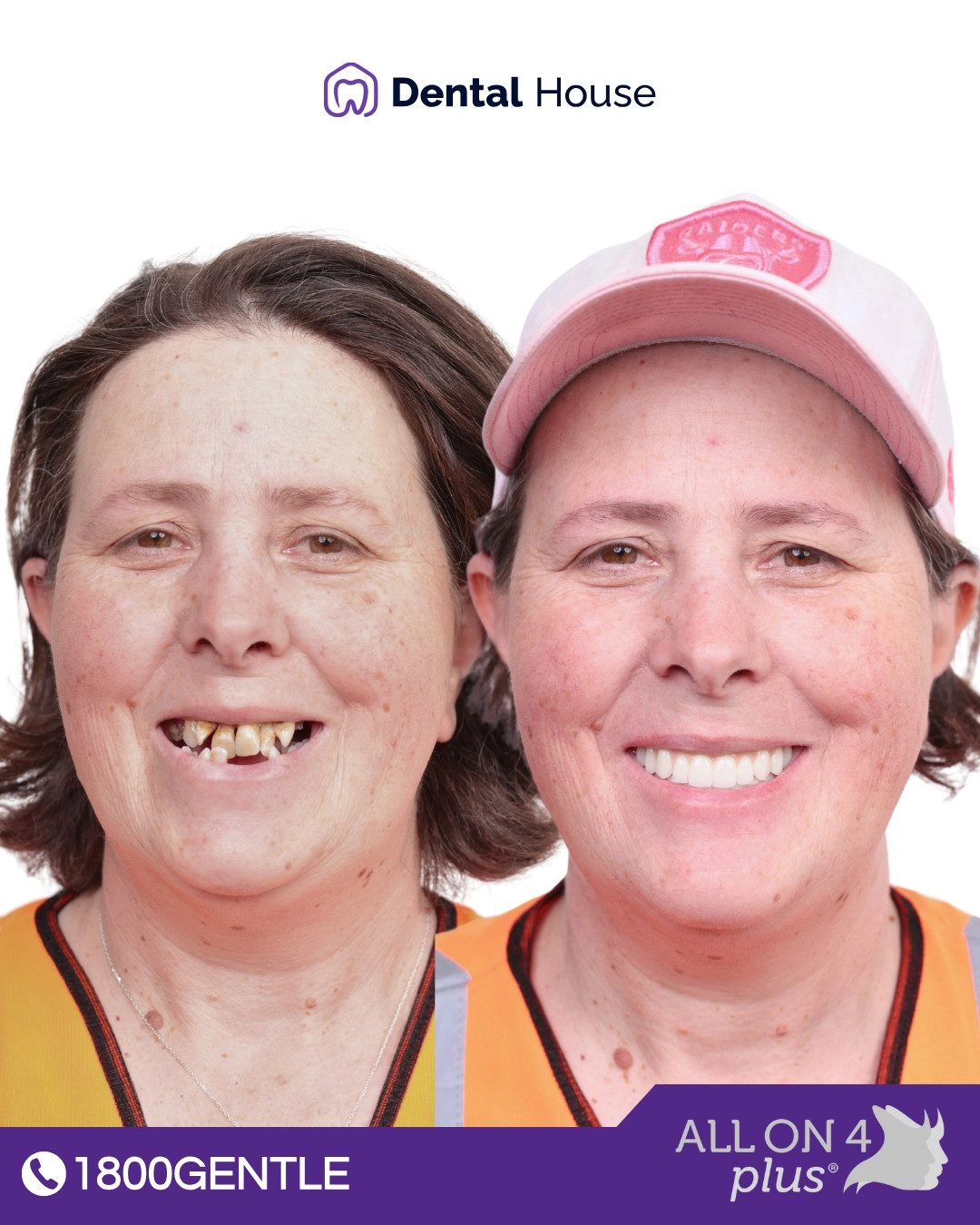
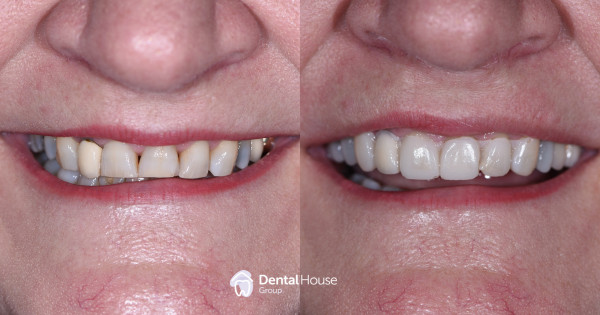

“Doctor, I’ve been told I don’t have enough bone for implants in my upper jaw. Does this mean I’m stuck with dentures forever?” Patricia from Melton asked during her consultation last year. She’d lost her upper back teeth years ago and had been struggling with a partial denture that never felt secure.
Six months later, Patricia was biting into apples with confidence, thanks to successful sinus lift dental implant treatment. Her case demonstrates something we regularly explain to patients at Bacchus Marsh Dental House: lacking sufficient bone in your upper jaw doesn’t mean you can’t have dental implants – it often just means you need a different approach.
If you’re living in Bacchus Marsh, Ballan, or surrounding areas and have been told you’re not a candidate for upper jaw implants due to bone loss, a sinus lift procedure might be exactly what you need to make implant treatment possible.
Why the Upper Jaw Presents Unique Challenges
The upper jaw is naturally different from the lower jaw when it comes to dental implant placement. Your upper back teeth sit very close to your maxillary sinuses – air-filled spaces in your skull that extend down into your jawbone.
When you lose upper back teeth, two things happen that complicate implant placement. First, the bone in that area begins to shrink because it’s no longer being stimulated by tooth roots. Second, your sinuses naturally expand to fill some of the space left behind. This combination often leaves insufficient bone height for standard implant placement.
According to dental research, approximately 60% of patients who’ve lost upper back teeth require some form of bone grafting procedure to achieve successful implant placement. This is where sinus lift dental implant procedures become invaluable.
What Actually Happens During a Sinus Lift
Think of a sinus lift like creating a new foundation for a house extension. We’re essentially making more room in your jawbone by gently lifting the sinus membrane and placing bone graft material in the space created.
The procedure involves making a small window in the side of your upper jaw to access the sinus cavity. We then carefully lift the sinus membrane upward and place bone graft material into the space between the lifted membrane and your existing jawbone. This creates the additional bone height needed for successful implant placement.
The Two Main Approaches
There are two primary techniques for sinus lift dental implant procedures:
Direct sinus lift is used when significant bone augmentation is needed. This approach provides excellent access for placing larger amounts of bone graft material and is typically performed several months before implant placement.
Indirect sinus lift can sometimes be performed at the same time as implant placement when only modest bone augmentation is required. This approach uses the implant site itself to gently lift the sinus membrane.
Your specific situation determines which approach is most appropriate for your sinus lift dental implant treatment.
How Bone Grafting Transforms Your Treatment Options
The bone graft material used in sinus lift procedures serves as a scaffold for your body’s natural bone regeneration process. Over several months, your body replaces the graft material with your own new bone tissue, creating a solid foundation for implant placement.
This process typically takes 4-6 months, during which the grafted area becomes integrated with your existing bone structure. The result is sufficient bone height and density to support dental implants that can last decades with proper care.
Types of Bone Graft Materials
We use various bone graft materials depending on your specific needs:
- Synthetic bone substitutes that encourage natural bone growth
- Processed donor bone that’s been specially treated for safety
- Your own bone harvested from another area of your mouth
- Combination approaches using multiple graft materials
Each option has specific advantages, and we’ll recommend the best choice based on your individual situation and treatment goals.
Who Benefits Most From Sinus Lift Procedures
Sinus lift dental implant treatment is particularly beneficial for patients who:
- Have lost multiple upper back teeth
- Have been wearing partial or complete upper dentures
- Want to avoid the limitations of removable appliances
- Have adequate bone width but insufficient height for implants
- Are committed to maintaining excellent oral hygiene
The procedure is especially valuable for people who’ve been told they’re not candidates for upper jaw implants due to bone loss. Many patients are surprised to learn that what seemed like an insurmountable problem actually has a very predictable solution.
Success Rates and Long-Term Outcomes
Sinus lift procedures have excellent success rates, with studies showing success rates of 90-95% for both the bone grafting procedure and subsequent implant placement. Once healed, implants placed in grafted sinus areas perform as well as implants placed in natural bone.
Most patients find the procedure much more comfortable than they anticipated. Modern techniques and sedation options make the experience manageable, and most people return to normal activities within a few days.
The Treatment Timeline: What to Expect
Understanding the timeline helps you plan for sinus lift dental implant treatment. The process typically unfolds over several stages:
First, we perform the sinus lift procedure and allow 4-6 months for healing and bone development. Then we place the dental implants and allow another 3-4 months for integration. Finally, we attach your custom-made crowns or bridge to complete your restoration.
While this might seem like a long process, many patients appreciate having time to heal properly between stages. The careful approach ensures the best possible long-term outcome for your investment.
Managing Expectations During Healing
After sinus lift surgery, you’ll need to avoid blowing your nose forcefully, using straws, or any activities that create pressure in your sinuses. These restrictions typically last for about two weeks while the surgical site heals.
Most patients experience mild swelling and discomfort for a few days, which responds well to prescribed medications. You’ll need to maintain excellent oral hygiene while avoiding the surgical area during initial healing.
Making the Right Decision for Your Situation
Cost is always a consideration with sinus lift dental implant treatment. While the procedure does add to the overall investment, many patients find it worthwhile when they consider the alternative of living with removable appliances or going without replacement teeth entirely.
When evaluating your options, consider:
- Your long-term goals for oral function and comfort
- The limitations of alternative treatments like dentures
- Your commitment to the multi-stage treatment process
- Your overall health and healing capacity
Most patients tell us they wish they’d pursued sinus lift treatment sooner, as the improvement in their quality of life far exceeds their expectations.
The Bottom Line on Sinus Lift Dental Implants
Insufficient bone in your upper jaw doesn’t mean you’re not a candidate for dental implants. Sinus lift procedures have transformed treatment possibilities for patients who previously had limited options.
At Bacchus Marsh Dental House, we specialise in complex implant cases, including sinus lift dental implant procedures. Our experienced team uses advanced techniques to help patients achieve the stable, comfortable tooth replacement they deserve.
The key is getting an accurate assessment of your bone structure and understanding all your treatment options. What might seem impossible at first often becomes quite achievable with the right approach.
Wondering if sinus lift dental implant treatment could work for you? Contact Bacchus Marsh Dental House today at (03) 5315 2777 to schedule your comprehensive evaluation. We’ll assess your bone structure and explain exactly what’s possible for your situation.
Frequently Asked Questions
How long does a sinus lift procedure take?
Most sinus lift procedures take 60-90 minutes, depending on the complexity of your case. The procedure is typically performed under local anaesthesia with sedation options available for additional comfort.
Can implants be placed at the same time as a sinus lift?
Sometimes, yes. When adequate initial bone is present, we can often place implants during the same appointment as an indirect sinus lift. However, direct sinus lifts usually require a separate healing period before implant placement.
Will I have sinus problems after a sinus lift?
Complications affecting sinus function are rare when the procedure is performed properly. Most patients experience no long-term changes to their sinus health, and the lifted membrane typically returns to normal function once healing is complete.
Note: All content and media on the Bacchus Marsh Dental House website and social media channels are created and published online for informational purposes only. It is not intended to be a substitute for professional medical advice and should not be relied on as health or personal advice.