



When a dentist discovers a small cavity during a routine check-up, some patients wonder whether immediate treatment is truly necessary. The reality is that timing plays a crucial role in cavity treatment outcomes, and understanding the benefits of prompt intervention can make the difference between simple and complex dental procedures.
At Bacchus Marsh Dental House, we frequently discuss the importance of early cavity restoration with patients from Bacchus Marsh, Melton, and Ballan. The advantages of addressing cavities promptly extend beyond preventing pain – they encompass preservation of tooth structure, treatment simplicity, and long-term oral health outcomes.
Understanding Cavity Progression
Tooth decay follows a predictable progression that becomes increasingly destructive over time. What begins as microscopic changes in tooth enamel gradually develops into larger areas of damage affecting multiple layers of tooth structure.
In the earliest stages, decay affects only the outer enamel layer. Early cavity restoration typically requires minimal tooth preparation and can often be completed with straightforward filling procedures. However, as decay progresses deeper, more extensive treatment becomes necessary.
Once decay reaches the softer dentin layer beneath the enamel, progression often accelerates. Dentin provides less resistance to bacterial activity, and decay can advance more rapidly toward the tooth’s nerve centre.
Benefits of Immediate Intervention
Preservation of Natural Tooth Structure
One of the most significant advantages of early cavity restoration is preserving natural tooth structure. When cavities are treated promptly, only the affected portion requires removal, leaving healthy tooth structure intact.
Healthy tooth structure provides better long-term support for restorative materials and maintains the tooth’s natural strength. As cavities progress, increasingly larger portions may require removal to eliminate all decay.
Simpler Treatment Procedures
Early cavity restoration typically involves less complex procedures compared to treating advanced decay. Small cavities often require only basic preparation and can be restored with standard filling materials using straightforward techniques.
These simpler procedures are typically completed more quickly and comfortably than extensive treatments that may be required for advanced decay. Complex treatments such as crowns or root canal therapy may become necessary when decay progresses extensively.
Cost Considerations
Early cavity restoration is typically more economical than treating advanced decay. Simple fillings generally require less time, fewer materials, and less complex procedures than treatments needed for extensive cavities.
Preventing Secondary Complications
Prompt treatment of cavities helps prevent the development of tooth pain and potential infections. When decay reaches the tooth’s nerve centre, patients often experience significant discomfort that can affect daily activities.
Infected teeth may require emergency treatment and can potentially lead to more serious health complications if bacteria spread to surrounding tissues. Early cavity restoration eliminates the bacterial source before these complications develop.
Untreated cavities can sometimes affect adjacent teeth through bacterial spread or by creating environments that promote further decay development. Early cavity restoration helps contain the problem to the affected tooth and prevents potential damage to neighbouring teeth.
Treatment Options and Timing
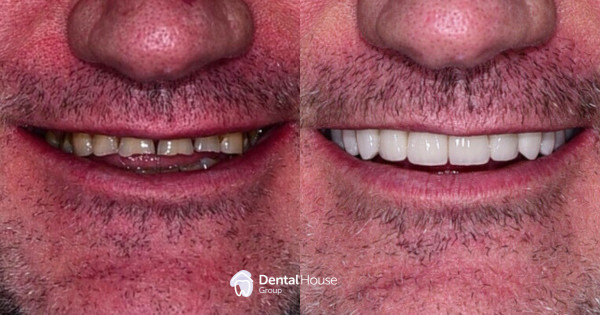
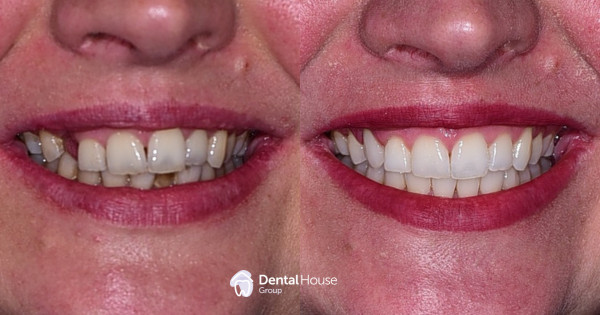
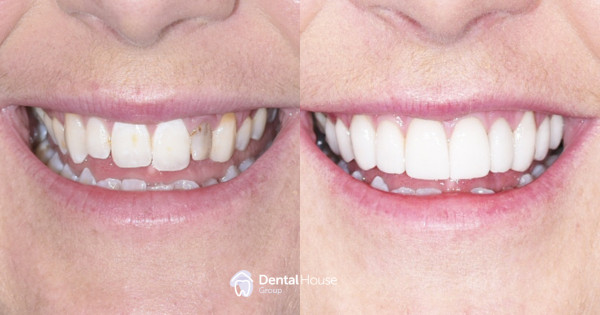
Contemporary dental materials offer excellent options for early cavity restoration. Tooth-coloured composite resins can be precisely matched to natural tooth colour and bonded directly to tooth structure, providing both functional and aesthetic restoration.
Modern dental techniques emphasise conservative treatment approaches that remove only affected tooth structure while preserving healthy areas. Early cavity restoration benefits from these minimally invasive approaches that maintain maximum tooth strength.
There’s often a specific window of opportunity for optimal early cavity restoration. During this period, cavities remain small enough for simple treatment while being large enough to require intervention to prevent progression.
Some patients may be at higher risk for rapid cavity progression due to factors such as diet, oral hygiene habits, or medical conditions. For these individuals, early cavity restoration may be particularly important to prevent rapid advancement of decay.
Long-term Benefits and Professional Assessment
Early cavity restoration helps maintain normal tooth function and oral comfort. Teeth that receive prompt treatment for small cavities typically continue functioning normally without the complications that can arise from delayed treatment.
Addressing cavities promptly can support broader oral health treatment plans by preventing complications that might interfere with other planned procedures. Early cavity restoration helps maintain stable oral health conditions that support comprehensive care planning.
Regular dental examinations provide opportunities for early detection of cavities when they’re most amenable to simple treatment. Professional monitoring allows for assessment of cavity progression and determination of optimal treatment timing.
Professional recommendations for early treatment are based on training and experience in predicting cavity progression and understanding the long-term benefits of prompt intervention versus the risks of delayed treatment.
The Bottom Line
Early cavity restoration offers significant advantages in terms of preserving tooth structure, maintaining treatment simplicity, and preventing complications. The benefits of prompt treatment typically outweigh the advantages of waiting, particularly when professional assessment indicates that intervention is advisable.
At Bacchus Marsh Dental House, we emphasise the importance of addressing cavities when they’re small and treatment options are most conservative. Understanding the benefits of early intervention helps patients appreciate why prompt treatment is often recommended even for cavities that aren’t causing obvious symptoms.
Concerned about a cavity or want to discuss treatment options? Contact Bacchus Marsh Dental House at (03) 5315 2777 to schedule a consultation. Our team can assess your specific situation and discuss the benefits of early cavity restoration for your oral health.
Frequently Asked Questions
How quickly do small cavities typically progress if left untreated?
Cavity progression rates vary significantly between individuals based on factors such as oral hygiene, diet, saliva composition, and bacterial activity. Some cavities may progress slowly over months or years, whilst others can advance more rapidly. Professional assessment can help evaluate individual risk factors and progression likelihood.
Are there situations where it might be appropriate to monitor a cavity rather than treat it immediately?
In some cases, very early changes in tooth enamel might be monitored with enhanced preventive measures such as fluoride application and improved oral hygiene. However, once cavities have progressed beyond the initial stages, treatment is typically recommended to prevent further advancement.
What can I expect during early cavity restoration treatment?
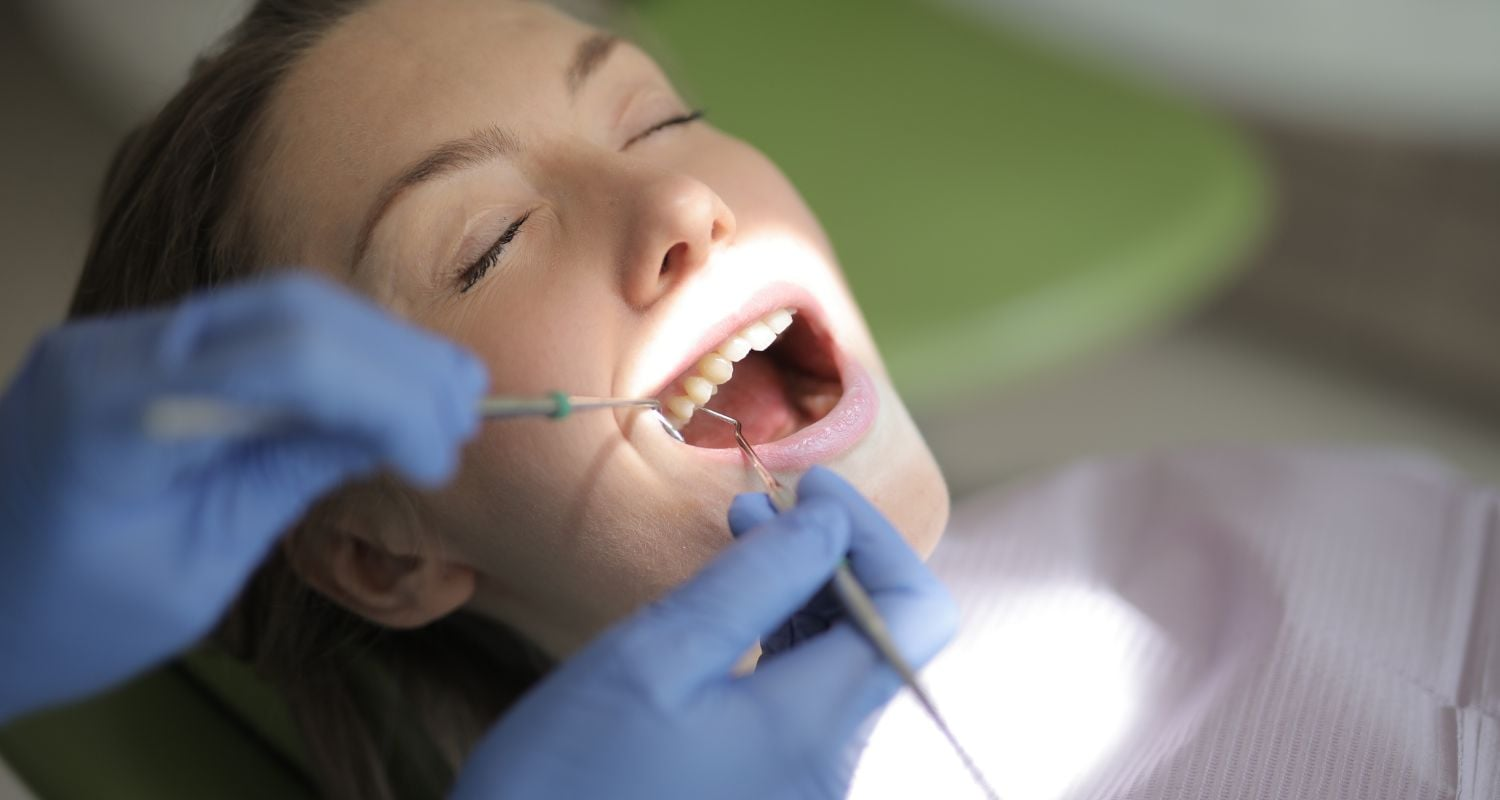
Early cavity restoration typically involves numbing the area, removing the decayed portion of the tooth, and placing a filling material. The procedure is usually completed in a single appointment and most patients experience minimal discomfort during and after treatment.
Note: All content and media on the Bacchus Marsh Dental House website and social media channels are created and published online for informational purposes only. It is not intended to be a substitute for professional medical advice and should not be relied on as health or personal advice.