



Many people assume that wisdom teeth only require attention when they cause pain or obvious problems. However, dental professionals sometimes recommend evaluation or treatment of asymptomatic wisdom teeth – those that aren’t currently causing discomfort or noticeable issues. Understanding when and why this might be suggested can help patients make informed decisions about their oral health.
At Bacchus Marsh Dental House, we frequently discuss wisdom tooth management with patients from Bacchus Marsh, Melton, and Ballan. These conversations often involve explaining why professional assessment might be recommended even when wisdom teeth aren’t causing immediate problems.
The decision-making process around wisdom tooth management involves multiple factors, and what’s appropriate for one patient may not be suitable for another. Let’s explore the various considerations that dental professionals take into account when evaluating asymptomatic wisdom teeth.
Understanding Asymptomatic Wisdom Teeth
Asymptomatic wisdom teeth are third molars that aren’t currently causing pain, swelling, or other noticeable symptoms. These teeth may be fully erupted, partially erupted, or completely impacted beneath the gum line. The absence of symptoms doesn’t necessarily indicate that these teeth will remain problem-free indefinitely.
Wisdom teeth typically begin to emerge in late adolescence or early adulthood, though the timing can vary significantly between individuals. Some people have sufficient space in their jaws to accommodate these teeth comfortably, whilst others may experience crowding or positioning issues that aren’t immediately apparent.
The challenge with asymptomatic wisdom teeth lies in predicting their future behaviour. Some may remain stable and functional for years, whilst others may develop problems over time that become more complex to address than if they had been managed earlier.
Factors Influencing Professional Recommendations
Space and Positioning Considerations
One primary factor in evaluating asymptomatic wisdom teeth is available space in the jaw. Even when these teeth aren’t currently causing problems, insufficient space may lead to future complications. Dental professionals use various assessment methods to evaluate whether adequate space exists for proper function and maintenance.
When wisdom teeth don’t have sufficient room to emerge properly, they may become impacted at various angles. This positioning can create areas that are difficult to clean effectively, potentially leading to problems over time even if symptoms aren’t immediately present.Accessibility for Oral Hygiene
The ability to maintain proper oral hygiene around wisdom teeth represents another important consideration. Asymptomatic wisdom teeth that are difficult to reach with normal brushing and flossing may accumulate plaque and bacteria over time, potentially leading to decay or gum disease.
Even when patients are diligent about oral hygiene, the location and positioning of some wisdom teeth can make effective cleaning challenging. This accessibility issue may be considered even when the teeth aren’t currently causing problems.Age-Related Considerations
Age can influence recommendations regarding asymptomatic wisdom teeth management. Younger patients may have advantages in terms of healing and recovery from procedures, whilst the roots of wisdom teeth may be less developed, potentially making removal less complex.
However, age alone doesn’t determine treatment recommendations. Each situation requires individual assessment based on multiple factors rather than age considerations alone.
Potential Future Complications
Development of Decay or Gum Disease
Asymptomatic wisdom teeth in positions that are difficult to clean may be at higher risk for developing decay or gum disease over time. These problems might not be immediately apparent but could progress without obvious symptoms until they become more serious.
The location of wisdom teeth can make early detection of problems challenging during routine examinations. By the time symptoms develop, more extensive treatment might be required than if issues had been addressed earlier.Impact on Adjacent Teeth
Sometimes asymptomatic wisdom teeth may be positioned in ways that could potentially affect adjacent teeth over time. This might include pressure that could contribute to crowding or positioning changes, though the extent to which wisdom teeth actually cause orthodontic problems remains a topic of ongoing discussion in dental literature.
The relationship between wisdom teeth and changes in tooth alignment is complex and varies between individuals. Professional assessment can help evaluate whether specific positioning might pose risks to adjacent teeth.Cyst or Tumour Development
Rarely, impacted asymptomatic wisdom teeth may be associated with the development of cysts or other pathological conditions. Whilst these complications are uncommon, they represent potential considerations in long-term oral health planning.
Regular monitoring through clinical examination and imaging can help detect these uncommon complications if they develop, allowing for appropriate management decisions.
Assessment Methods and Monitoring
Clinical Examination Techniques
Professional evaluation of asymptomatic wisdom teeth typically involves comprehensive clinical examination to assess positioning, eruption status, and the condition of surrounding tissues. This examination may reveal factors that aren’t apparent to patients through their own observations.
The examination process might include assessment of jaw space, bite relationships, and the health of tissues around existing wisdom teeth. These clinical findings contribute to understanding the current status and potential future considerations.Imaging and Diagnostic Tools
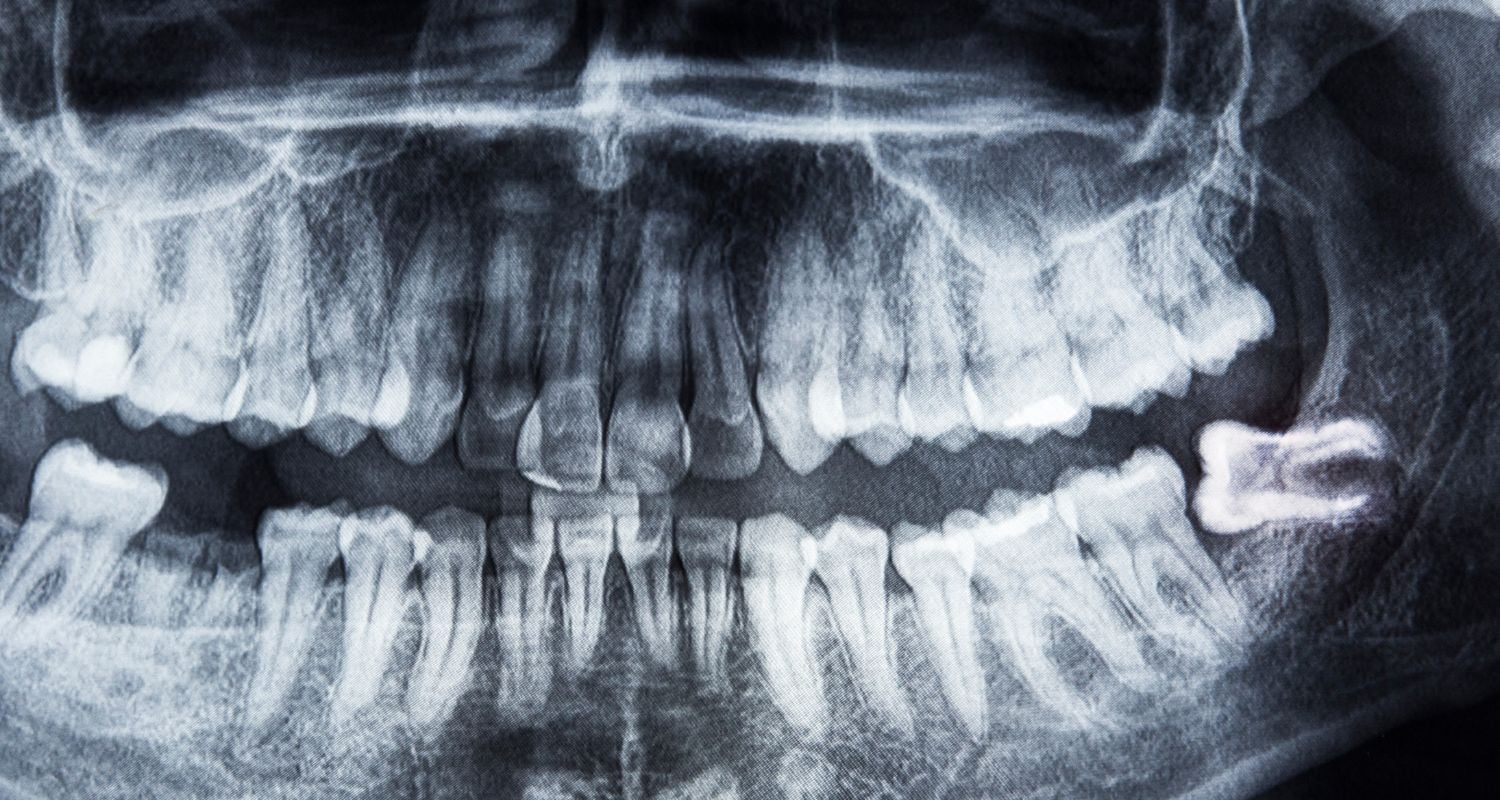
Advanced imaging techniques can provide valuable information about asymptomatic wisdom teeth that isn’t available through clinical examination alone. These images can reveal the position of unerupted teeth, their relationship to adjacent structures, and potential complications that might not be clinically apparent.
Imaging may also help assess the development status of wisdom tooth roots and their proximity to important anatomical structures, which can influence treatment planning decisions.
Individual Risk Assessment
Medical History Considerations
Individual medical history can influence decisions about asymptomatic wisdom teeth management. Certain medical conditions or medications might affect healing capabilities or infection risks, potentially influencing the timing of any recommended procedures.
The assessment process typically includes review of overall health status, medications, and any conditions that might affect oral health or treatment outcomes.Lifestyle and Compliance Factors
A patient’s ability and commitment to maintaining excellent oral hygiene around wisdom teeth may influence management recommendations. Those who demonstrate excellent oral hygiene and attend regular professional appointments might be good candidates for monitoring rather than intervention.
Conversely, patients who have difficulty maintaining optimal oral hygiene or who attend appointments irregularly might face different considerations regarding long-term wisdom tooth management.
Monitoring Versus Intervention Decisions
Regular Monitoring Protocols
For many patients with asymptomatic wisdom teeth, regular monitoring may be an appropriate approach. This typically involves periodic clinical examinations and imaging to assess any changes in positioning, eruption status, or surrounding tissue health.
The frequency of monitoring may vary based on individual risk factors and the specific characteristics of each case. Some patients might require more frequent assessment, whilst others may need less intensive monitoring.Timing Considerations for Intervention
When intervention is being considered for asymptomatic wisdom teeth, timing can be an important factor. Various considerations might influence the recommended timing, including the patient’s age, current oral health status, and anticipated future risks.
The decision about timing often involves balancing the potential benefits of early intervention against the advantages of waiting until problems actually develop.
The Bottom Line
The management of asymptomatic wisdom teeth involves careful consideration of multiple factors specific to each individual situation. Whilst some asymptomatic wisdom teeth may never cause problems, others might be better managed proactively to prevent future complications.
At Bacchus Marsh Dental House, we believe that informed patients are better equipped to make appropriate decisions about their oral health care. Understanding the various factors that influence wisdom tooth management recommendations can help patients participate meaningfully in treatment planning discussions.Questions about your wisdom teeth or oral health assessment? Contact Bacchus Marsh Dental House at (03) 5315 2777 to schedule a consultation. Our team can provide personalised evaluation and guidance based on your individual situation.
Frequently Asked Questions
How often should asymptomatic wisdom teeth be monitored?
The frequency of monitoring varies based on individual factors such as age, positioning of the teeth, and overall oral health status. Your dental professional can recommend an appropriate monitoring schedule based on your specific situation and risk factors.Can asymptomatic wisdom teeth suddenly become problematic?
Wisdom teeth that aren’t currently causing symptoms can develop problems over time. Changes might occur gradually or more suddenly, which is why regular professional assessment is often recommended even for asymptomatic teeth.What factors make keeping asymptomatic wisdom teeth more likely to be successful?
Factors that may support keeping wisdom teeth include adequate space for proper eruption, good positioning that allows effective cleaning, excellent oral hygiene habits, and regular professional monitoring to detect any changes early.
Note: All content and media on the Bacchus Marsh Dental House website and social media channels are created and published online for informational purposes only. It is not intended to be a substitute for professional medical advice and should not be relied on as health or personal advice.